 Prosper Okoye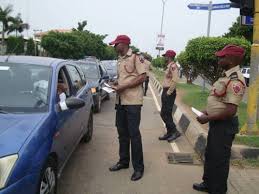
Deadly accidents on Lagos expressways remain a major public safety concern in Nigeria. Key routes such as the Lagos–Ibadan and Lagos–Benin–Ore highways record frequent crashes that lead to injuries, loss of lives, and heavy economic costs every year.
Reports from the Federal Road Safety Corps (FRSC), the World Health Organization (WHO), and several academic studies show that most road accidents are caused by human behaviour. In many cases, driver-related factors account for about 85–90 per cent of crashes, while mechanical faults and environmental issues contribute the rest.
In busy corridors like Lagos, where thousands of vehicles move daily, these risks become even more dangerous. Here are eight major causes of deadly expressway accidents in Lagos, based on recent road safety reports and studies.
Join our WhatsApp ChannelOverspeeding and Loss of Control
Overspeeding is widely identified as the leading cause of fatal accidents on Nigerian highways. According to FRSC reports, drivers often exceed speed limits on major expressways such as the Lagos–Ibadan road, leading to loss of control and severe crashes.
Global data from the WHO shows that speeding contributes to nearly half of road deaths worldwide. In Lagos, the problem is worsened by heavy traffic and weak enforcement of speed regulations.
Reckless Driving and Dangerous Overtaking
Another major cause is reckless driving, especially dangerous overtaking. Many drivers ignore lane discipline, overtake on blind corners, or attempt risky manoeuvres to beat traffic.
FRSC studies indicate that reckless driving behaviour accounts for up to 80–85 per cent of road crashes in Nigeria. On busy Lagos expressways, this often results in multi-vehicle collisions.
Poor Road Conditions and Infrastructure Problems
Road conditions also play a major role in accidents. Potholes, poor road markings, broken guardrails, and inadequate traffic signs create serious hazards for motorists.
Sections of the Lagos–Benin–Ore road have often been described as dangerous because of poor infrastructure and high crash rates. Environmental studies show that these conditions increase both the frequency and severity of accidents.
Vehicle Mechanical Failures
Mechanical problems such as tyre bursts, brake failure, and engine faults contribute to many expressway crashes. These issues are common among poorly maintained commercial vehicles that operate long distances.
Road safety data suggests that mechanical failures account for roughly 5–15 per cent of road accidents, especially when vehicles are overloaded or maintenance is ignored.
Driving Under the Influence of Alcohol or Drugs
Driving under the influence of alcohol or drugs remains a major safety concern. Intoxication affects judgement, reaction time, and coordination, increasing the risk of fatal mistakes on high-speed roads.
WHO reports show that impaired driving is among the leading causes of road deaths globally. In urban areas like Lagos, nightlife and long-distance travel sometimes increase the chances of such incidents.
Driver Fatigue and Impatience
Driver fatigue is another important factor, especially among commercial drivers who spend long hours on the road without proper rest.
Studies show that fatigue can cause slower reaction times and poor decision-making. Combined with impatience during traffic congestion, this often leads to risky driving behaviour.
Adverse Weather Conditions
Weather conditions also affect road safety. During the rainy season, wet roads reduce tyre grip and increase the risk of vehicles skidding or hydroplaning.
Heavy rain can also reduce visibility, making it harder for drivers to react quickly to sudden obstacles or slow-moving traffic.
Abandoned or Broken-Down Vehicles
Broken-down vehicles left on expressways create dangerous obstacles for other motorists. When these vehicles are not properly marked with warning signs, they often lead to sudden braking and rear-end collisions.
Reports by the FRSC and WHO highlight that stalled vehicles, roadside repairs, and poorly placed checkpoints can turn busy highways into accident zones.
A Mentor’s Legacy: How Former FRSC Marshal Osita Chidoka Shaped a Generation of Public‑Sector Leaders
Fire Service, FRSC Partner To Tackle Road Mishap Cases
A Persistent Road Safety Challenge
Despite ongoing enforcement campaigns by the Federal Road Safety Corps, expressway accidents remain a serious challenge in Nigeria. Experts say improving road infrastructure, enforcing traffic laws, maintaining vehicles, and promoting responsible driving habits are key steps to reducing crashes.
Until these issues are addressed, Lagos expressways will continue to pose serious risks to motorists and passengers alike.

Prosper Okoye is a Correspondent and Research Writer at Prime Business Africa, a Nigerian journalist with experience in development reporting, public affairs, and policy-focused storytelling across Africa
- Prosper Okoye
- Prosper Okoye
- Prosper Okoye
- Prosper Okoye
- Prosper Okoye
- Prosper Okoye
- Prosper Okoye
- Prosper Okoye
- Prosper Okoye
- Prosper Okoye
- Prosper Okoye
- Prosper Okoye
- Prosper Okoye
- Prosper Okoye
- Prosper Okoye
- Prosper Okoye
- Prosper Okoye
- Prosper Okoye
- Prosper Okoye
- Prosper Okoye
- Prosper Okoye
- Prosper Okoye
- Prosper Okoye
- Prosper Okoye
- Prosper Okoye
- Prosper Okoye
- Prosper Okoye
- Prosper Okoye
- Prosper Okoye
- Prosper Okoye
- Prosper Okoye
- Prosper Okoye
- Prosper Okoye
- Prosper Okoye
- Prosper Okoye
- Prosper Okoye
- Prosper Okoye
- Prosper Okoye
- Prosper Okoye
- Prosper Okoye
- Prosper Okoye
- Prosper Okoye
- Prosper Okoye
- Prosper Okoye
- Prosper Okoye
- Prosper Okoye
- Prosper Okoye
- Prosper Okoye
- Prosper Okoye
- Prosper Okoye
- Prosper Okoye
- Prosper Okoye
- Prosper Okoye
- Prosper Okoye
- Prosper Okoye
- Prosper Okoye
- Prosper Okoye
- Prosper Okoye
- Prosper Okoye
- Prosper Okoye
- Prosper Okoye
- Prosper Okoye
- Prosper Okoye
- Prosper Okoye
- Prosper Okoye
- Prosper Okoye
- Prosper Okoye
- Prosper Okoye
- Prosper Okoye
- Prosper Okoye
- Prosper Okoye
- Prosper Okoye
- Prosper Okoye
- Prosper Okoye
- Prosper Okoye
- Prosper Okoye
- Prosper Okoye
- Prosper Okoye
- Prosper Okoye
- Prosper Okoye
- Prosper Okoye
- Prosper Okoye
- Prosper Okoye
- Prosper Okoye
- Prosper Okoye
- Prosper Okoye
- Prosper Okoye
- Prosper Okoye
- Prosper Okoye
- Prosper Okoye
- Prosper Okoye
- Prosper Okoye