 Prosper Okoye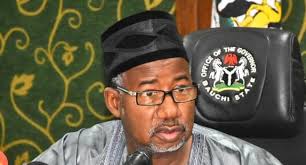
Nigeria’s main opposition party, the Peoples Democratic Party (PDP), has been grappling with deep internal divisions since the aftermath of the 2023 general elections. Disputes over leadership, presidential ambitions, and factional loyalties have continued to strain relationships among some of the party’s most influential figures.
In response, a new reconciliation push has emerged, led by Bala Mohammed, the governor of Bauchi State and chairman of the PDP Governors’ Forum. The initiative is designed to mend internal rifts and reposition the party ahead of the 2027 elections.
The reconciliation effort involves dialogue among aggrieved factions, political consultations across the country, and a formal mediation structure led by prominent party leaders. At the centre of this process is a committee chaired by former Senate President Bukola Saraki, tasked with engaging party stakeholders and resolving lingering disputes.
Join our WhatsApp ChannelHowever, the outcome of the reconciliation effort remains uncertain. As negotiations continue, several possible scenarios could shape the future of the PDP.
A Chance for Party Unity and Revival
One of the most optimistic outcomes would be a successful reconciliation that restores unity within the party. If the ongoing talks lead to genuine compromise among major stakeholders, the PDP could rebuild its internal structures and strengthen its position as the leading opposition to the ruling All Progressives Congress (APC).
A unified party could also improve its ability to mobilise supporters nationwide and present a credible challenge in the next general elections.
Partial Peace but Lingering Rivalries
Another possible outcome is partial reconciliation. While some disputes may be resolved through dialogue, personal ambitions and political calculations could continue to create tension within the party.
Prominent figures such as Atiku Abubakar, Seyi Makinde, and Nyesom Wike are widely seen as influential power brokers whose positions may shape the party’s direction toward 2027. Even if temporary agreements are reached, competition for future leadership could keep underlying divisions alive.
Risk of Defections and Party Fragmentation
If reconciliation efforts collapse, the PDP could face a wave of defections or even a major split. Some members may align with other political platforms, including the ruling APC or emerging opposition coalitions.
Such a development would further weaken the PDP’s national influence and complicate efforts to remain a major force in Nigeria’s political landscape.
Leadership Restructuring Through Party Convention
The reconciliation process could also lead to a broader leadership overhaul within the party. A national convention may be used to reorganise the National Working Committee (NWC) and rebalance key positions along regional lines.
If properly managed, this restructuring could renew confidence in the party’s internal democracy and strengthen its organisational capacity.
Stronger Opposition Voice
A more unified PDP could also play a stronger role in national debates. With Nigeria facing economic pressures and governance challenges, a stable opposition party could provide more coordinated scrutiny of government policies and contribute to democratic accountability.
Settling Expulsions and Legal Battles
Another important aspect of the reconciliation effort is the resolution of ongoing legal disputes within the party. Several factions have issued suspensions and expulsions against rival members, leading to court battles that have complicated party activities.
Through mediation and internal dialogue, the Saraki-led committee may succeed in reversing some of these actions and restoring affected members, reducing the level of internal litigation.
Positioning for the 2027 Elections
Ultimately, the success or failure of the reconciliation initiative will likely influence the PDP’s prospects in the 2027 general elections. If the party manages to heal its divisions and rally behind a consensus candidate, it could regain political momentum in key states.
However, continued infighting could deepen the crisis and allow the ruling party to consolidate its dominance.
READ ALSO:
Plateau Governor Mutfwang Formally Joins APC After Quitting PDP
‘Probe Tinubu’s Award to Chagoury,’ PDP Chieftain Urges Reps
The Saraki Reconciliation Committee
The reconciliation effort formally took shape in May 2025 when the PDP Governors’ Forum established a seven-member committee chaired by Bukola Saraki. The decision followed consultations among governors, former governors, and senior party figures during a meeting hosted by Bala Mohammed in Abuja.
The committee’s mandate is to engage aggrieved stakeholders, reduce litigation within the party, and promote unity ahead of major party activities, including National Executive Committee meetings and future conventions.
Members of the committee include:
Former Senate President Bukola Saraki (Chairman),
Governor Dauda Lawal of Zamfara State,
Governor Caleb Mutfwang of Plateau State,
Governor Peter Mbah of Enugu State,
Senator Seriake Dickson, former governor of Bayelsa State,
Senator Ibrahim Dankwambo, former governor of Gombe State, and
Former Abia State governor Okezie Ikpeazu.
Since its formation, the committee has been engaged in consultations with party leaders across the country, seeking to rebuild trust among competing factions.
The Road Ahead
While some reports suggest progress in calming tensions within the PDP, the party’s long-term stability will depend on the willingness of its key leaders to compromise and prioritise collective interests over personal ambitions.
As Nigeria moves closer to another electoral cycle, the outcome of the reconciliation process could determine whether the PDP re-emerges as a united political force or continues to struggle with internal divisions.

Prosper Okoye is a Correspondent and Research Writer at Prime Business Africa, a Nigerian journalist with experience in development reporting, public affairs, and policy-focused storytelling across Africa