 Prosper Okoye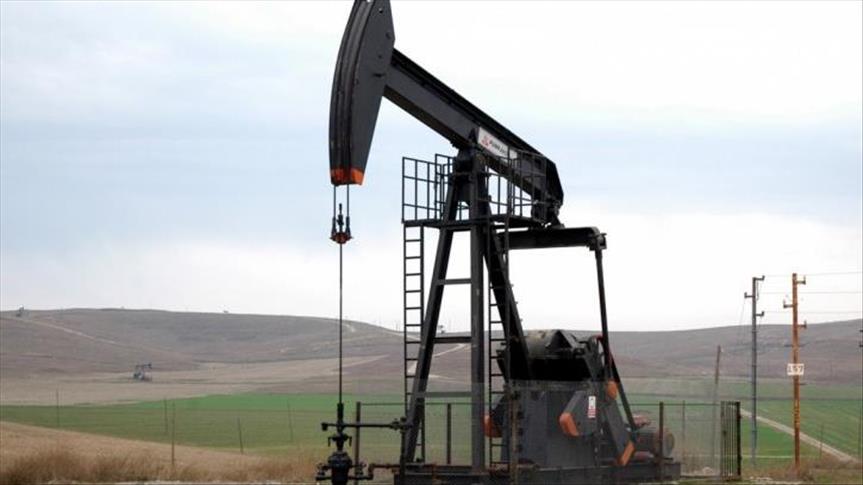
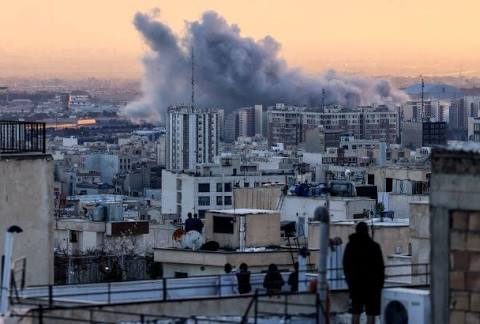
The global oil market is once again at the centre of international attention as rising geopolitical tensions in the Middle East trigger sharp price swings. As of March 2026, the confrontation involving the United States, Israel and Iran has pushed crude oil prices upward and created uncertainty in global energy supply chains.
For Nigeria—Africa’s largest oil producer—the developments present a mix of opportunities and risks. Higher oil prices can boost export earnings and government revenue, but the benefits are often limited by domestic production challenges and rising costs at home.
Join our WhatsApp ChannelHere are six important things Nigerians should understand about the current oil market situation and what it means for the country’s economy.
1. Geopolitical Tensions Are Driving Oil Prices Up
Oil prices have surged in recent weeks as tensions in the Middle East raise fears of disruptions in global supply routes. Brent crude climbed above $100 per barrel in early March 2026 after trading around $70 earlier in the year.
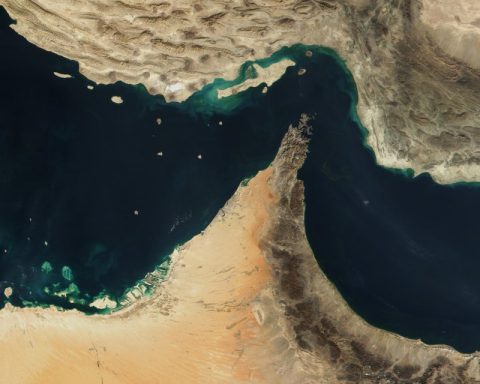
Much of the concern centres on the Strait of Hormuz, a strategic shipping route through which a large portion of the world’s oil supply passes. Any disruption there could restrict global supply and push prices even higher.
For Nigeria, higher global oil prices could mean increased export earnings in the short term. However, it also exposes the country to global market volatility that could influence domestic fuel prices.
2. Nigeria May Not Fully Benefit From High Prices
Although higher oil prices usually translate into increased revenue for oil-producing countries, Nigeria’s gains are constrained by low production levels.
The Federal Government benchmarked oil at $65 per barrel in the 2026 budget. With prices currently ranging between $80 and $100 per barrel, Nigeria could theoretically earn billions in additional revenue.
Analysts estimate that every $10 increase in oil prices could generate about $5.1 billion annually if the country produces around 1.4 million barrels per day. But Nigeria’s output currently hovers between 1.4 and 1.5 million barrels per day—well below its target of 1.8 million barrels per day for 2026.
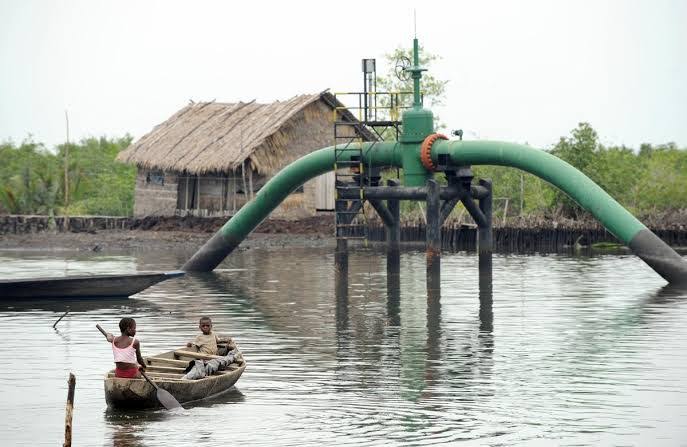
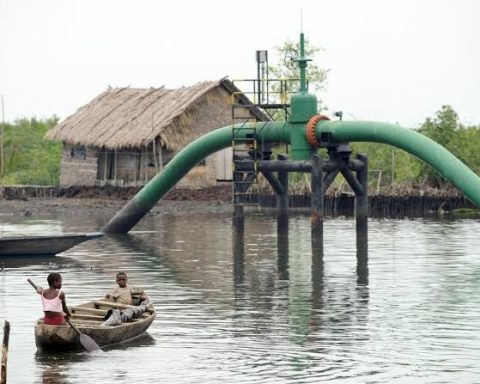
Issues such as oil theft, pipeline vandalism and years of underinvestment in the upstream sector continue to limit production capacity.
3. Rising Fuel Prices Are Hitting Nigerians Hard
While higher oil prices may improve government revenue, the immediate effect for many Nigerians is the rising cost of fuel.
Petrol and diesel prices have increased in several parts of the country as global crude costs climb. Refiners and distributors have also adjusted ex-depot prices to reflect market conditions.
In some areas, petrol prices have reportedly risen to about ₦1,175 per litre. Higher fuel costs quickly ripple across the economy, pushing up transportation fares, food prices and the overall cost of living.
This trend could put pressure on inflation and slow the country’s fragile economic recovery.
4. OPEC+ Decisions Will Shape the Market
Global oil supply is also influenced by the policies of the Organization of the Petroleum Exporting Countries and its allies, known as OPEC+.
The group is considering increasing output in response to seasonal demand and market conditions. Some estimates suggest an additional 411,000 barrels per day could enter the market in the coming months.
Nigeria technically has the capacity to produce more under its OPEC quota, but operational challenges at home have made it difficult to reach those levels consistently.
Globally, oil supply is projected to increase significantly in 2026, which could eventually stabilise prices. However, geopolitical tensions could keep markets volatile for some time.
5. Oil Prices May Decline Later in the Year
Despite the current surge, some analysts expect oil prices to ease later in 2026.
Forecasts suggest Brent crude could average around $60 per barrel for the year due to weaker demand growth, rising global inventories and increased production from countries outside OPEC+.
If that happens, Nigeria’s fiscal outlook could tighten, especially because the country relies heavily on oil exports for foreign exchange earnings and government revenue.
This possibility highlights the importance of building financial buffers and strengthening non-oil sectors of the economy.
READ ASLO:
Iran’s Clerical Assembly Appoints Mojtaba Khamenei as New Supreme Leader
6. The Situation Also Creates Opportunities for Reform
Amid the challenges, there are also opportunities for long-term improvements in Nigeria’s energy sector.
The commencement of large-scale refining by the Dangote Refinery is expected to reduce Nigeria’s dependence on imported fuel and improve domestic supply stability.
In addition, ongoing upstream investment plans and gas development projects—such as the expansion of Nigeria LNG—could strengthen the country’s energy infrastructure and export capacity.
Experts continue to call for stronger measures against oil theft, improved incentives for investors and greater diversification of the economy into sectors like manufacturing, agriculture and technology.
Ultimately, while global oil market volatility may bring short-term gains, Nigeria’s long-term economic stability will depend on reforms that reduce the country’s dependence on crude oil.
As the global energy landscape continues to evolve, Nigerians will need to watch these trends closely, because what happens in the oil market often shapes the direction of the nation’s economy.

Prosper Okoye is a Correspondent and Research Writer at Prime Business Africa, a Nigerian journalist with experience in development reporting, public affairs, and policy-focused storytelling across Africa
- Prosper Okoye
- Prosper Okoye
- Prosper Okoye
- Prosper Okoye
- Prosper Okoye
- Prosper Okoye
- Prosper Okoye
- Prosper Okoye
- Prosper Okoye
- Prosper Okoye
- Prosper Okoye
- Prosper Okoye
- Prosper Okoye
- Prosper Okoye
- Prosper Okoye
- Prosper Okoye
- Prosper Okoye
- Prosper Okoye
- Prosper Okoye
- Prosper Okoye
- Prosper Okoye
- Prosper Okoye
- Prosper Okoye
- Prosper Okoye
- Prosper Okoye
- Prosper Okoye
- Prosper Okoye
- Prosper Okoye
- Prosper Okoye
- Prosper Okoye
- Prosper Okoye
- Prosper Okoye
- Prosper Okoye
- Prosper Okoye
- Prosper Okoye
- Prosper Okoye
- Prosper Okoye
- Prosper Okoye
- Prosper Okoye
- Prosper Okoye
- Prosper Okoye
- Prosper Okoye
- Prosper Okoye
- Prosper Okoye
- Prosper Okoye
- Prosper Okoye
- Prosper Okoye
- Prosper Okoye
- Prosper Okoye
- Prosper Okoye
- Prosper Okoye
- Prosper Okoye
- Prosper Okoye
- Prosper Okoye
- Prosper Okoye
- Prosper Okoye
- Prosper Okoye
- Prosper Okoye
- Prosper Okoye
- Prosper Okoye
- Prosper Okoye
- Prosper Okoye
- Prosper Okoye
- Prosper Okoye
- Prosper Okoye
- Prosper Okoye
- Prosper Okoye
- Prosper Okoye
- Prosper Okoye
- Prosper Okoye
- Prosper Okoye
- Prosper Okoye
- Prosper Okoye
- Prosper Okoye
- Prosper Okoye
- Prosper Okoye
- Prosper Okoye
- Prosper Okoye
- Prosper Okoye
- Prosper Okoye
- Prosper Okoye
- Prosper Okoye
- Prosper Okoye
- Prosper Okoye
- Prosper Okoye
- Prosper Okoye
- Prosper Okoye
- Prosper Okoye
- Prosper Okoye
- Prosper Okoye
- Prosper Okoye
- Prosper Okoye