 Prosper Okoye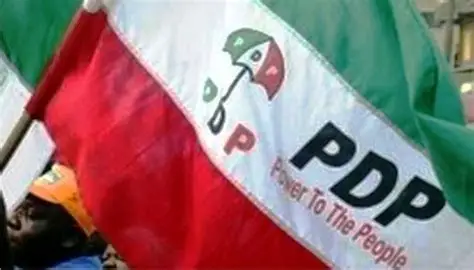
Nigeria’s Peoples Democratic Party (PDP) is once again at the center of political drama following a landmark Appeal Court judgment on March 9, 2026. Sitting in Abuja, a three-member panel upheld the Federal High Court ruling of October 31, 2025, invalidating the PDP national convention held in Ibadan on November 15-16, 2025. That convention, which elected Kabiru Taminu Turaki as national chairman, had ignored prior court orders and was declared unconstitutional due to violations of the PDP constitution, the Electoral Act, and the Nigerian Constitution.
The Turaki-led faction was fined N2 million, and the Independent National Electoral Commission (INEC) was barred from recognizing the convention’s outcomes. Meanwhile, a separate Appeal Court sitting in Ibadan urged party factions to seek amicable resolutions, highlighting persistent internal rifts. These legal battles are rooted in tensions dating back to the 2023 elections, with factions aligned with figures like Nyesom Wike (Minister of the Federal Capital Territory) and Seyi Makinde (Oyo State Governor) at the forefront.
Here are six political stakes emerging from the ruling:
Join our WhatsApp Channel1. Escalation of Factional Power Struggles
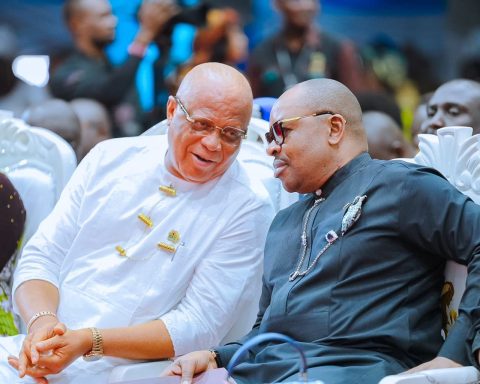
The Abuja judgment strengthens the Wike-aligned caretaker committee led by Mohammed Abdulrahman and Samuel Anyanwu, which had rejected the Ibadan convention, while weakening the Turaki-led National Working Committee (NWC) backed by Makinde and other governors. The ruling intensifies rivalries over party zoning, leadership control, and resource allocation. Wike’s camp sees it as validation against “anti-party activities,” which may lead to further expulsions or suspensions like those enforced during the convention.
2. Threat to PDP’s Unity and Reconciliation Efforts
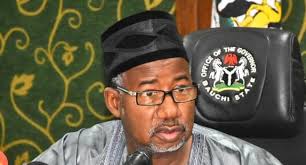
Conflicting rulings—such as an Oyo State High Court validation of the convention in February 2026—have complicated reconciliation initiatives led by Bala Mohammed, chairman of the PDP Governors’ Forum, and the Bukola Saraki-led committee. By dismissing Turaki’s appeals as frivolous, the Abuja court deepens internal divisions, making political settlements more urgent to prevent the party from degenerating into a “family affair gone sour,” as noted by the Ibadan Appeal Court.
3. Jeopardy to 2027 Electoral Prospects
With INEC’s primaries scheduled to start on April 23, 2026, the Turaki faction is now barred from fielding legitimate candidates. Analysts warn that this could sideline the PDP in key states, hand advantages to the All Progressives Congress (APC), and weaken the opposition’s ability to challenge the ruling party, especially amid defections of over eight governors since 2023.
4. Broader Implications for Nigerian Multi-Party Democracy
The ruling reaffirms judicial oversight on party internal affairs, citing Supreme Court precedents that limit internal autonomy when constitutional violations occur. It raises broader concerns about the potential decline of PDP and the risk of one-party dominance by APC, which could undermine democratic checks and balances. PDP governors have stressed that maintaining a viable opposition is crucial for sustaining Nigeria’s multi-party system.
5. Risk of Further Defections and Party Weakening
The judgment could trigger additional defections from disaffected members in states like Rivers, Enugu, and Plateau, where factional control is contested. Historical patterns show that such internal crises often lead to mass exits, eroding party structures and voter confidence. Experts are urging an immediate truce to prevent irreversible damage ahead of the 2027 general elections.
READ ALSO:
7 Possible Outcomes of the PDP Reconciliation Efforts Led by Bala Mohammed
‘Probe Tinubu’s Award to Chagoury,’ PDP Chieftain Urges Reps
6. Legal Precedents and Future Litigation
By fining the Turaki faction and affirming the court’s jurisdiction over party disputes, the ruling sets a precedent for stricter enforcement of electoral and party laws. It is likely to spur Supreme Court appeals and prolong legal uncertainty, including potential disputes over the national secretariat and rival party structures. Moving forward, PDP will need to prioritize internal democracy and compliance to avoid endless court battles that could undermine its political relevance.
The Ibadan leadership dispute is more than a party squabble—it is a reflection of how Nigeria’s internal party conflicts can have national political consequences. With the 2027 elections on the horizon, the PDP faces a critical test in balancing judicial rulings, reconciliation, and electoral strategy.

Prosper Okoye is a Correspondent and Research Writer at Prime Business Africa, a Nigerian journalist with experience in development reporting, public affairs, and policy-focused storytelling across Africa