 Prosper Okoye
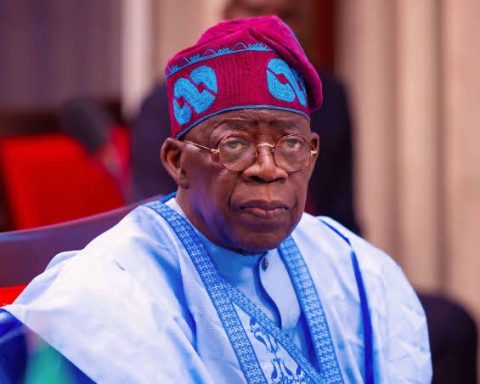
Nigeria’s oil revenue management system is undergoing a major shift following a new directive from President Bola Tinubu.
The policy, known as Executive Order 9 of 2026, took effect on February 13, 2026, and mandates the direct remittance of oil and gas revenues into the Federation Account.
The order seeks to close long-standing revenue gaps linked to the Petroleum Industry Act 2021 (PIA) by limiting deductions and strengthening transparency in how petroleum income is shared across the country.
Join our WhatsApp ChannelHere are 10 key things to understand about the policy and what it means for Nigeria’s oil sector and public finances.
1. All Oil Revenues Must Go Directly to the Federation Account
The executive order requires that all revenues due to the federation—including royalty oil, tax oil, profit oil, profit gas, and other proceeds from petroleum contracts—be paid directly into the Federation Account.
These revenues come from arrangements such as Production Sharing Contracts (PSCs), Profit Sharing Contracts, and Risk Service Contracts.
Previously, some of these funds were retained or processed through intermediary structures before reaching the national revenue pool.
2. NNPC Can No Longer Deduct a 30% Management Fee
Under the new directive, NNPC Limited can no longer deduct the 30% management fee previously applied to profit oil and profit gas under certain arrangements linked to the PIA.
The government argues that NNPC’s existing 20% profit retention allowance for operational investments is sufficient.
As a result, these funds must now go fully into the Federation Account.
3. The Frontier Exploration Fund Deduction Is Removed
Another major change is the removal of the 30% Frontier Exploration Fund deduction.
This fund previously supported oil exploration in frontier basins such as the Lake Chad region and other under-explored areas.
Under the new policy, the share of oil revenue previously earmarked for this purpose will now be paid into the Federation Account.
4. Gas Flaring Penalties Will Now Go to the Federation Account
Companies that pay penalties for gas flaring must now remit those funds directly to the Federation Account.
Previously, some of these payments were channelled to the Midstream and Downstream Gas Infrastructure Fund.
The executive order suspends this arrangement and requires that such funds be handled through the national revenue pool.
5. Oil Contractors Must Pay Government Shares Directly
Oil companies operating under production sharing contracts must now remit royalties, taxes, and profit shares directly as required by the order.
However, operational adjustments allow NNPC to continue lifting crude barrels used to settle some royalties and taxes before proceeds are deposited into a dedicated account at the Central Bank of Nigeria supervised by the Accountant-General of the Federation.
This arrangement is meant to ensure transparency while avoiding disruptions to existing industry operations.
6. The Order Is Based on Constitutional Principles
The policy draws authority from the Nigerian constitution, which states that ownership of mineral resources belongs to the federation.
Supporters say the directive restores constitutional revenue flows that were weakened by structures introduced under the Petroleum Industry Act.
The goal is to ensure that petroleum revenues reach the national revenue pool before being shared among the federal, state, and local governments.
7. A Special Implementation Committee Is Overseeing the Rollout
To manage the transition, the federal government has established an implementation committee chaired by the Minister of Finance.
The committee includes key officials such as the Accountant-General of the Federation, the Minister of Petroleum Resources, the budget minister, and the chairman of the Federal Inland Revenue Service.
Technical teams led by regulators are also expected to issue detailed operational guidelines.
8. NNPC Is Expected to Operate More Like a Commercial Company
The executive order also changes how NNPC functions within the oil sector.
By limiting its role in managing government revenue flows, the policy pushes the company toward operating strictly as a commercial entity rather than a revenue administrator.
Analysts say this could affect NNPC’s financial flexibility in the short term and may lead to internal restructuring.
9. The Policy Could Add Significant Revenue to the Federation Account
Estimates suggest the order could increase funds entering the Federation Account by hundreds of billions—or even trillions—of naira over time.
Additional inflows are expected from the removal of management fees, frontier exploration deductions, and other revenue leakages.
Higher revenues could strengthen government budgets and increase monthly allocations shared through the Federation Account Allocation Committee (FAAC).
10. The Policy Has Support but Also Raises Concerns
The executive order has received support from several state governments, fiscal institutions, and transparency advocates who see it as a step toward improving accountability in Nigeria’s oil revenue management.
However, some industry stakeholders have raised concerns that the policy could affect investor confidence or conflict with certain provisions of the Petroleum Industry Act.
As a result, discussions are already underway about a broader review of the PIA to align it with the new policy direction.
The Bigger Picture
Executive Order 9 represents one of the most consequential changes to Nigeria’s oil revenue system in recent years.
If fully implemented, the policy could increase transparency, strengthen the Federation Account, and reshape how oil income is shared across the country.
However, its long-term success will depend on careful implementation, industry cooperation, and possible adjustments to existing petroleum laws.

Prosper Okoye is a Correspondent and Research Writer at Prime Business Africa, a Nigerian journalist with experience in development reporting, public affairs, and policy-focused storytelling across Africa