 Prosper Okoye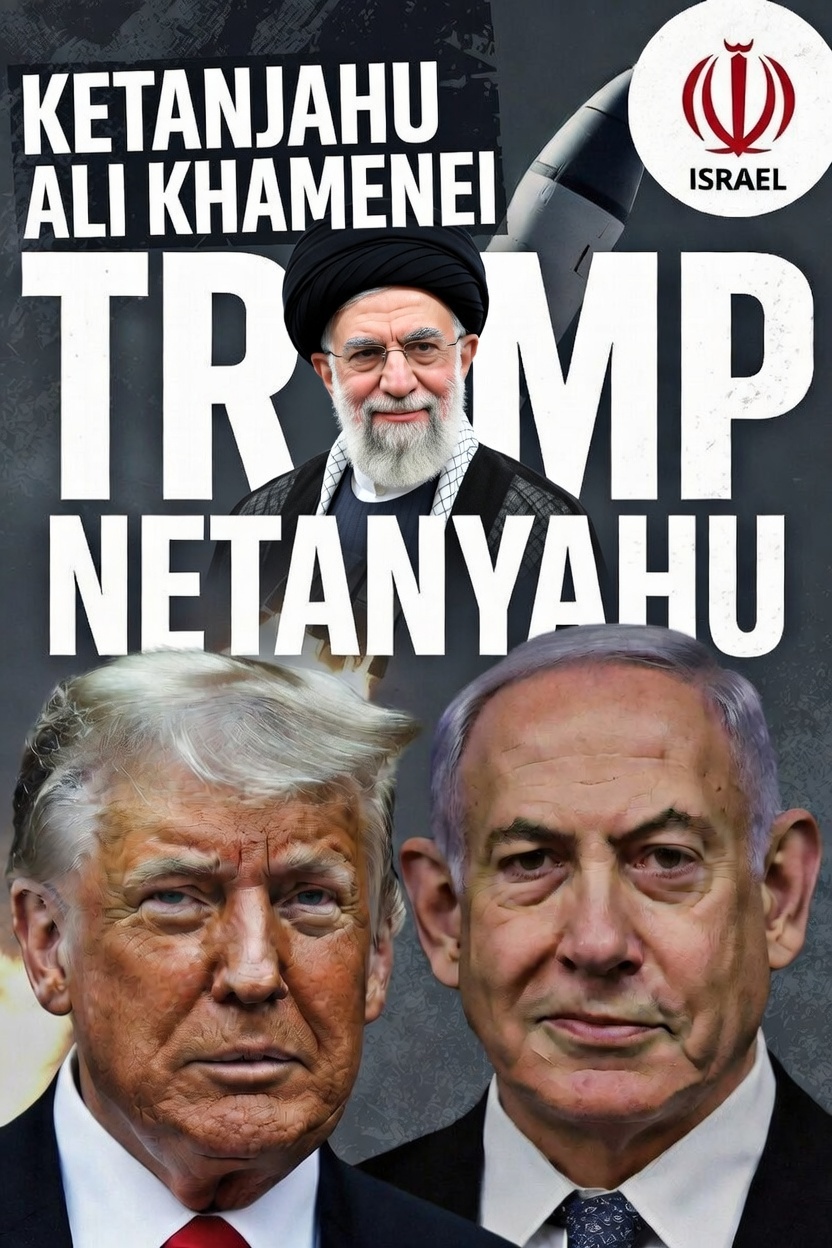
The joint strike by the United States and Israel on Iran on 28 February 2026 underscores decades of tension between the countries.
United States led the operation, highlighting its strategic reach in the Middle East despite Iran being geographically distant—about 11,600–11,700 kilometres from American soil. Iran’s location, however, places it within striking distance of U.S. forces stationed across the region, making the conflict strategically close even over vast distances.
Trajectory of American Fire Through Time
Iran is no stranger to U.S. military action, but the latest strike represents the most extensive operation to date. Multiple locations across the country, including Tehran, were targeted, rapidly escalating into a broader regional confrontation. The scale of the operation, marked by significant deployment of troops and aircraft, struck Iranian leadership, military infrastructure, and nuclear-related facilities. Within days, reports indicated thousands of targets had been hit, including the death of Iran’s Supreme Leader, Ayatollah Ali Khamenei, who had ruled for nearly four decades. His death is widely regarded as a pivotal moment with potential to reshape Iran’s political trajectory.
Join our WhatsApp ChannelThis escalation follows a long history of intermittent but consequential U.S.–Iran confrontations. In 1987, Operation Nimble Archer saw the U.S. Navy strike Iranian oil platforms in retaliation during the Iran–Iraq War. In 1988, Operation Praying Mantis became the largest naval engagement between the two countries, resulting in the destruction of Iranian ships and assets after a U.S. warship struck a mine. In 2020, a U.S. drone strike killed , Iran’s top military commander, prompting missile retaliation against U.S. bases in Iraq. The following year, U.S. strikes on nuclear facilities in Fordow, Natanz, and Isfahan marked a rare direct attack deep inside Iranian territory.
Taken together, these actions illustrate a pattern of confrontation. The 2026 strikes stand out for their scale, coordination, and reach, ranking among the most direct military operations the United States has ever undertaken against Iran.
Echoes Behind the Storm
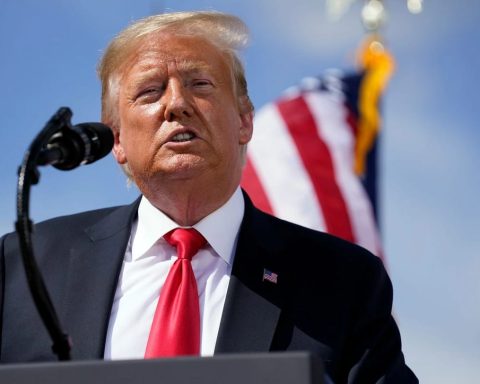
Operation Epic Fury, as the U.S. called it, and Operation Roaring Lion, Israel’s designation, mark the culmination of years of escalating tension. President Donald Trump defended the campaign as necessary to neutralise threats from Iran’s nuclear and missile programmes while safeguarding U.S. troops and regional allies. U.S. officials emphasised that military objectives would continue “as long as necessary,” and some lawmakers publicly supported the mission despite its human and geopolitical costs.
The conflict’s roots run deep. U.S.–Iran relations have long been strained by concerns over Iran’s nuclear ambitions, ballistic missile development, and influence through armed groups across the Middle East. Diplomatic efforts, including attempts to renegotiate a nuclear agreement in 2025–2026, failed, further eroding trust.
The immediate triggers for the 28 February strike included perceived threats and regional dynamics. U.S. officials feared Iran might respond to Israeli operations, prompting a preemptive campaign to protect American forces and allies. Coordination with Israel reflected shared security concerns and the anticipation of Iranian retaliation. Beyond the immediate triggers, strategic objectives included weakening Iran’s military capacity, limiting its nuclear development, and safeguarding U.S. and allied interests in the region.
U.S. explanations for the strike varied. Some officials cited the need to stop an imminent threat, others pointed to Israeli operations, while some referenced failed negotiations. Analysts suggest the true impetus combined long-standing security fears, alliance politics, and enduring rivalry between Washington and Tehran.
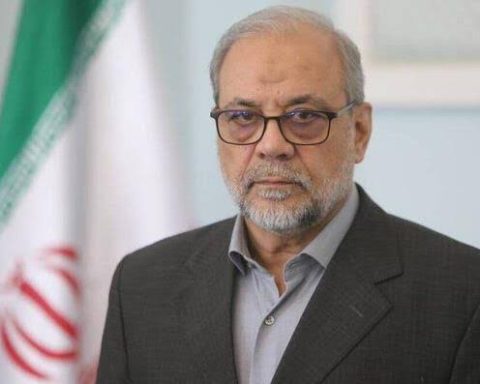
Iran has rejected the U.S. and Israeli justifications, framing the attacks as unjustified aggression rather than a response to a genuine threat. Iranian leaders insist the conflict was not provoked by an imminent danger from Tehran, but by Washington acting “on behalf of Israel” and choosing force over diplomacy. Iran’s Foreign Minister, Abbas Araghchi, described the strikes as a “war of choice,” arguing that claims of an imminent Iranian threat were exaggerated to rationalise military action.
Tehran also highlighted that the strikes occurred amid ongoing nuclear negotiations, portraying them as an effort to undermine diplomacy and weaken Iran’s position rather than to counter a direct threat. In official statements, the attacks are consistently described as “military aggression” necessitating defensive action.
From Iran’s perspective, the U.S.–Israeli operation was driven by geopolitical motives, including pressure from Israel and a desire in Washington to curb Iran’s regional influence, rather than by any legitimate or immediate security threat.
The Imminent Fear of World War III
Iran has responded to the strikes with counterattacks, including missile and drone launches targeting U.S. facilities and allied interests in the Gulf. Both sides have suffered casualties, and civilian areas and infrastructure across the Middle East have been affected. International shipping routes such as the Strait of Hormuz face heightened risk, while global energy markets have experienced disruption, raising fears of broader conflict.
The global response has been sharply divided. European Union leaders have called for restraint, emphasising protection of civilians and adherence to international law, while France, Germany, and the United Kingdom stressed the need for diplomacy and de-escalation. Spain condemned the strikes as dangerous escalation. Russia described the attacks as unprovoked aggression and signalled willingness to mediate peace. Countries in the Global South, including China, Brazil, and South Africa, condemned the strikes as violations of international law and urged renewed negotiations.
READ ALSO:
Wife of Iran’s Late Supreme Leader Dies from Injuries Following Tehran Strikes
Trump Hosts Germany’s Merz Amid Questions over Iran Strike Support
Iran Women’s Team Stands Silent During Anthem at Asian Cup Opener
Regional actors are also deeply concerned. Some Gulf states condemned Iranian attacks on their territory and invoked their right to self-defence, while Pakistan called for an urgent return to negotiation. African leaders urged restraint and UN-led diplomacy, warning of threats to regional peace and security. The death of Iran’s Supreme Leader has sparked protests and unrest in parts of the Shiite Muslim world, including Pakistan, Iraq, and Lebanon, where proxy groups such as Hezbollah have responded with additional military actions.

Prosper Okoye is a Correspondent and Research Writer at Prime Business Africa, a Nigerian journalist with experience in development reporting, public affairs, and policy-focused storytelling across Africa