 Prosper Okoye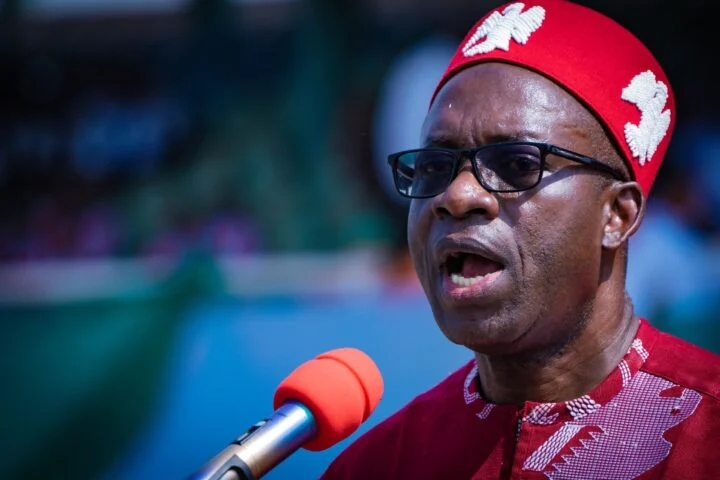
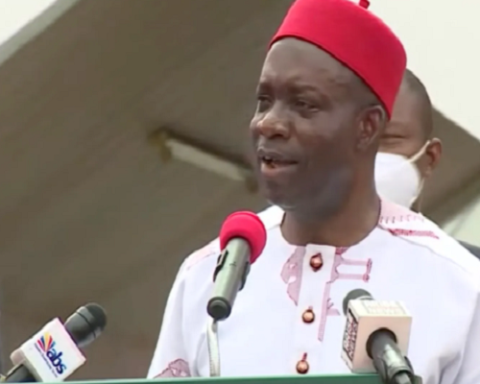
Anambra State Governor, Chukwuma Soludo has reduced the February salaries of civil servants who failed to report for work on certain Mondays, enforcing a pro-rata pay policy designed to end compliance with separatist-linked sit-at-home protests.
Workers received pay alerts this week showing significant deductions, prompting complaints that the cuts did not always match the number of Mondays missed, with some workers saying major portions of their wages were withheld.
The government said the move was part of a new salary system introduced in February 2026, under which pay is calculated according to days attended, as it seeks to discourage the weekly shutdowns that have disrupted economic activity in southeastern Nigeria.
Join our WhatsApp ChannelState officials have also announced an official end to the enforced Monday sit-at-home protests, saying they are no longer to be observed.
The weekly lockdown had been associated with the proscribed Indigenous People of Biafra (IPOB) movement, founded and led by Nnamdi Kanu, which had previously used the tactic to press for his release from custody. However, IPOB’s spokesman recently reiterated that the regular sit-at-home has been ended and should not be enforced, calling earlier lockdowns one-off actions rather than policy.
At the Jerome Udoji State Secretariat in Awka, the state capital, some workers told journalists on Tuesday that the deductions from their salaries appeared excessive. One said a colleague received just N10,000 after deductions, while another reported receiving N3,500 from a salary of more than N80,000.
“The cuts are irregular… some people who missed work only once or twice had substantial deductions,” one employee said.
READ ALSO:
Anambra Stakeholders Split Over Soludo’s ‘One-Sided’ Project Implementation
The pro-rata pay policy reflects efforts by authorities in the southeast to restore normal economic activity after years of disruption tied to the sit-at-home orders, which have previously impacted markets, schools and businesses across the region.

Prosper Okoye is a Correspondent and Research Writer at Prime Business Africa, a Nigerian journalist with experience in development reporting, public affairs, and policy-focused storytelling across Africa
- Prosper Okoye
- Prosper Okoye
- Prosper Okoye
- Prosper Okoye
- Prosper Okoye
- Prosper Okoye
- Prosper Okoye
- Prosper Okoye
- Prosper Okoye
- Prosper Okoye
- Prosper Okoye
- Prosper Okoye
- Prosper Okoye
- Prosper Okoye
- Prosper Okoye
- Prosper Okoye
- Prosper Okoye
- Prosper Okoye
- Prosper Okoye
- Prosper Okoye
- Prosper Okoye
- Prosper Okoye
- Prosper Okoye
- Prosper Okoye
- Prosper Okoye
- Prosper Okoye
- Prosper Okoye
- Prosper Okoye
- Prosper Okoye
- Prosper Okoye
- Prosper Okoye
- Prosper Okoye
- Prosper Okoye
- Prosper Okoye
- Prosper Okoye
- Prosper Okoye
- Prosper Okoye
- Prosper Okoye
- Prosper Okoye
- Prosper Okoye
- Prosper Okoye
- Prosper Okoye
- Prosper Okoye
- Prosper Okoye
- Prosper Okoye
- Prosper Okoye
- Prosper Okoye
- Prosper Okoye
- Prosper Okoye
- Prosper Okoye
- Prosper Okoye
- Prosper Okoye
- Prosper Okoye
- Prosper Okoye
- Prosper Okoye
- Prosper Okoye
- Prosper Okoye
- Prosper Okoye
- Prosper Okoye
- Prosper Okoye
- Prosper Okoye
- Prosper Okoye
- Prosper Okoye
- Prosper Okoye
- Prosper Okoye
- Prosper Okoye
- Prosper Okoye
- Prosper Okoye
- Prosper Okoye
- Prosper Okoye
- Prosper Okoye
- Prosper Okoye
- Prosper Okoye
- Prosper Okoye
- Prosper Okoye
- Prosper Okoye
- Prosper Okoye
- Prosper Okoye
- Prosper Okoye
- Prosper Okoye
- Prosper Okoye
- Prosper Okoye
- Prosper Okoye
- Prosper Okoye
- Prosper Okoye