 Prosper Okoye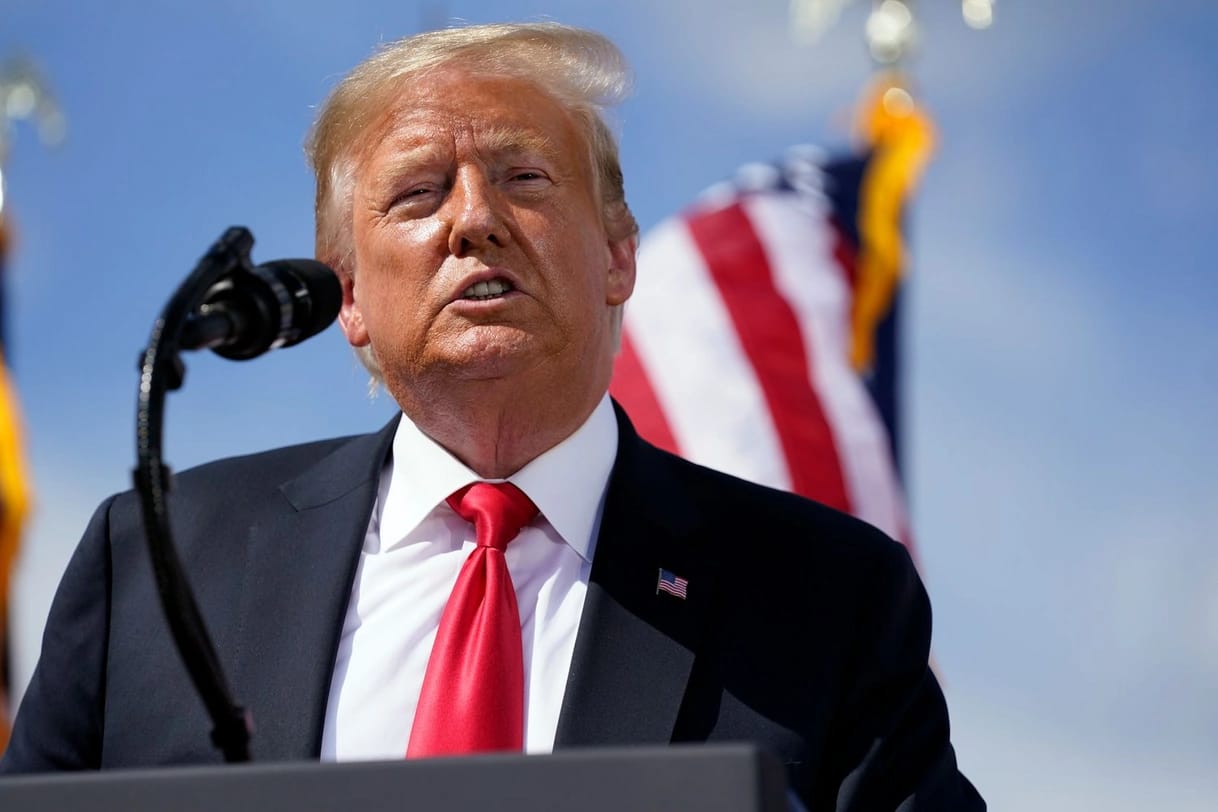
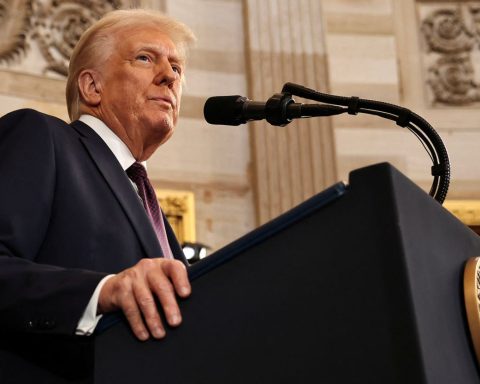
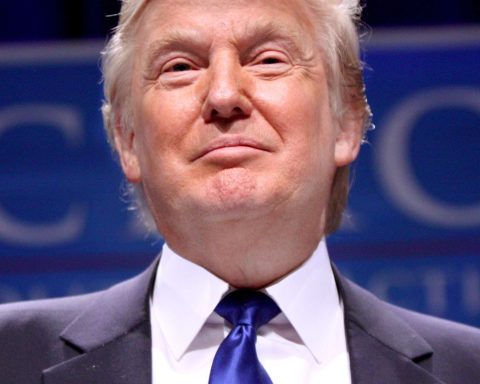
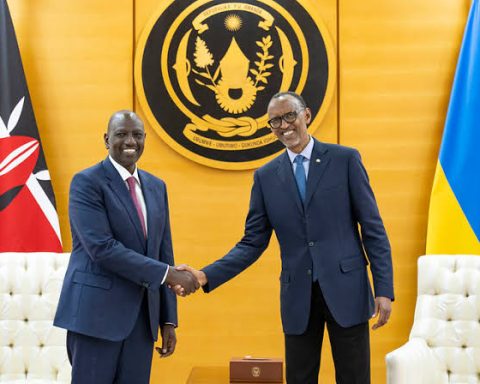
US President, Donald Trump on Monday imposed sanctions on Rwanda’s defence forces and four senior military officials over their alleged role in the escalating conflict in eastern Democratic Republic of the Congo, calling for an immediate withdrawal from the volatile, mineral-rich region.
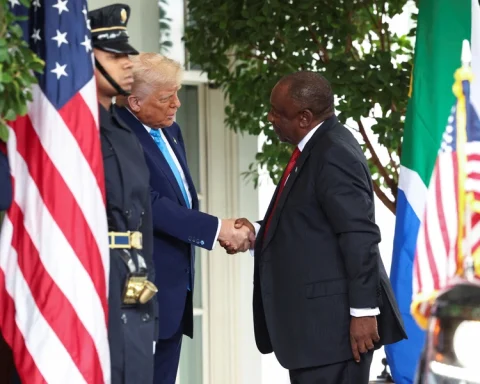
Washington said Kigali’s military activities were undermining a peace agreement signed in December between Rwanda and the DRC, brokered by the United States.
Then, president Donald Trump had described the accord as a “great miracle” after years of violence, warning that violations would carry consequences.
Join our WhatsApp ChannelTensions resurfaced soon after the deal, when the March 23 Movement (M23) seized the eastern city of Uvira before withdrawing under international pressure.
Rwanda has denied backing the group, but the US Treasury said the rebels’ advances would not have been possible without support from Kigali.
The M23, already under US and UN sanctions, has been accused of serious abuses. State Department spokesman Tommy Pigott said the group was responsible for “horrific human rights abuses,” including executions and violence against civilians.
Rwanda rejected the sanctions, saying they unfairly target one side and misrepresent the situation. Kigali said it remained committed to disengagement, provided Kinshasa meets its own obligations, including ending alleged support for armed groups in the east.
The measures mark a strain in ties between Rwanda and Western allies, notably the United States, long a key security partner.
READ ALSO:
Trump Hosts Germany’s Merz Amid Questions over Iran Strike Support
Kamala Harris Slams Trump’s Iran Strikes, Calls for Congressional Action
Under the sanctions, any assets held in the United States by the Rwandan military or the designated officials will be frozen, while US individuals and entities are barred from conducting financial transactions with them.

Prosper Okoye is a Correspondent and Research Writer at Prime Business Africa, a Nigerian journalist with experience in development reporting, public affairs, and policy-focused storytelling across Africa