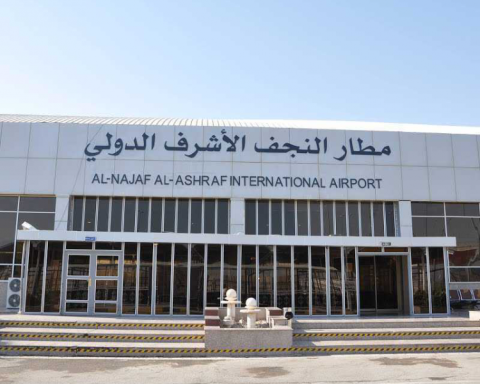
Smoke and flames streaked the Gulf skies as Iranian missiles and drones struck oil terminals, ports, airports, and hotels across Saudi Arabia, UAE, Bahrain, Qatar, Oman, Iraq, and Jordan.
In Dubai, the Fairmont Hotel burned as residents fled; in Saudi Arabia, the Ras Tanura refinery — one of the world’s largest — halted operations, sending oil prices soaring. For global markets, the message was stark: Iran’s retaliation over U.S.-Israeli strikes on its nuclear sites is hitting the world’s energy lifeline.
Retaliation Spills Across the Gulf
The attacks mark Iran’s counter-offensive to Operation Roaring Lion and Epic Fury, the U.S.-Israeli strikes launched on February 28 targeting Iranian nuclear facilities, military infrastructure, and top leadership. Iranian Supreme Leader Ayatollah Ali Khamenei, the defense minister, the IRGC commander, and other senior officials were reportedly killed in the initial wave, along with more than 200 other casualties, including civilians.
Within hours, Iran launched “True Promise 4”, firing hundreds of ballistic missiles and drones against U.S. bases and allied infrastructure across the Middle East. While military targets were the main focus, civilian infrastructure — airports, hotels, ports, and residential areas — also suffered damage, highlighting the conflict’s spillover into economic and human life.
Oil Supply Under Threat
Saudi Aramco’s Ras Tanura refinery, producing 550,000 barrels per day, temporarily shut down after limited damage, triggering an 8–10% jump in Brent crude to over $82 per barrel. The Strait of Hormuz, through which roughly 7% of global seaborne oil trade passes, faced heightened risks. Even minor disruptions at this choke point reverberate worldwide, driving risk premiums, higher shipping insurance, and market jitters.
Gulf nations condemned the strikes. UAE, Bahrain, Kuwait, and Saudi Arabia accused Iran of violating sovereignty, while accusing the U.S. of favouring Israel over regional partners. Social media and news footage showed fires, smoke plumes, and damaged residential buildings, confirming civilian exposure to the conflict.
Human Cost Amid Military Calculations
While most missiles and drones were intercepted by air defence systems such as Patriot and THAAD, residents reported panic, injuries, and interrupted daily life. In Dubai and Abu Dhabi, schools closed and airspace restrictions forced travel cancellations. Ports saw delayed cargo, affecting trade and shipping schedules. Iran also targeted maritime traffic, sinking a Jamaran-class corvette and attacking tankers, further driving insurance costs and slowing crude movement.
Economic Ripples Beyond the Gulf
Brent crude’s surge has sent immediate shockwaves to energy markets far beyond the Gulf. Nigeria, Africa’s top oil producer, remains particularly vulnerable. Despite domestic refining advances through the Dangote Petroleum Refinery, the country imports a significant portion of crude feedstock. Petrol prices in Lagos, Abuja, and Port Harcourt now range between N824–N880 per litre.
Energy experts warn that sustained crude prices above $90 per barrel could force fresh fuel hikes, impacting transport costs and inflation. Kelvin Emmanuel, CEO of Dairy Hills, noted that Dangote’s refinery processes roughly 18 million barrels monthly, of which about 67% is imported. “Imports expose the refinery to dollar-denominated global prices,” he said, cautioning that margins and retail fuel rates could be hit sharply if Gulf tensions persist.
Olatide Jeremiah, CEO of Petroleumprice.ng, emphasized that Nigeria’s reliance on imported crude makes domestic markets “at the mercy of global volatility.” Dayo Ayoade, energy law expert at the University of Lagos, added that post-subsidy, fuel pricing reflects global crude costs directly, with no buffer to absorb shocks.
Market and Geopolitical Implications
OPEC+ announced a modest 206,000 bpd production increase for April 2026, but analysts say it may not compensate for Gulf shortfalls if the Strait of Hormuz remains threatened. The conflict raises the specter of prolonged instability, with potential outcomes ranging from a limited military standoff to a protracted war with global energy consequences.
READ ALSO:
US-Iran Conflict Could Fuel Inflation in Nigeria – CPPE
Ex-Iranian President Ahmadinejad Killed in Tehran Airstrike
Kamala Harris Slams Trump’s Iran Strikes, Calls for Congressional Action
For Nigeria, short-term pain could include higher pump prices (potentially approaching N1,000 per litre), rising transport costs, and inflationary pressure. Experts stress the need for enhanced domestic production, strict curbs on oil theft, and transparent management of crude allocation to mitigate vulnerability to external shocks.
As Iranian retaliation spreads across Gulf oil facilities, global markets jitter, regional governments brace, and ordinary residents bear the human and economic costs. From Dubai hotels to Nigerian petrol stations, the reverberations of the Gulf conflict underline a critical reality: in a globalised energy system, disruption at the source can ripple across the world in hours.

Prosper Okoye is a Correspondent and Research Writer at Prime Business Africa, a Nigerian journalist with experience in development reporting, public affairs, and policy-focused storytelling across Africa