 Prosper Okoye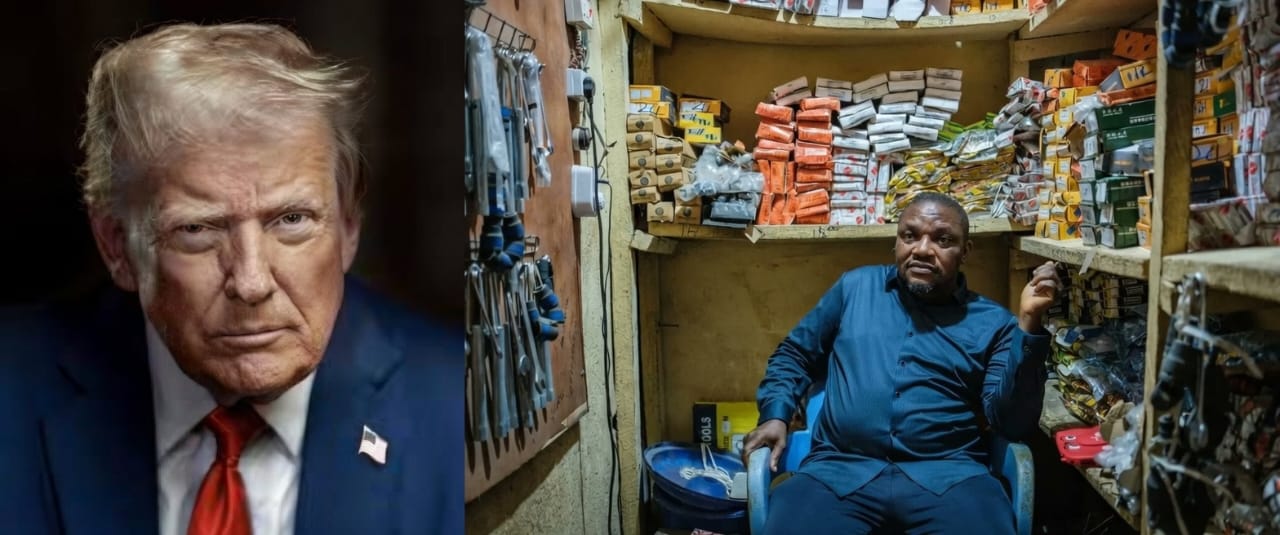
A US air strike in Sokoto State over the Christmas period was reportedly influenced by intelligence supplied not by a government agency, but by a Nigerian trader in Onitsha.
Emeka Umeagbalasi, a screwdriver trader and founder of the small NGO Intersociety, is said to have provided the information that underpinned the US military’s decision to strike ISIS targets in north-western Nigeria, according to an investigation by The New York Times.
The strikes followed months of heated rhetoric from former US President Donald Trump, who had labelled Nigeria a “country of particular concern” over alleged attacks on Christians.
Join our WhatsApp ChannelTrump had warned that the US military might intervene directly if the Nigerian government did not act.
Umeagbalasi, who runs Intersociety from his home with his wife, claimed to have documented 125,000 Christian deaths in Nigeria since 2009.
However, his methodology has drawn scrutiny: he reportedly relies on online searches, media reports, and assumptions about victims’ religious affiliation based on geography, rather than verified field investigations.
Despite these gaps, his data has been cited repeatedly by US lawmakers, including Senators Ted Cruz and Riley Moore, and Congressman Chris Smith, in discussions on Nigerian religious violence.
The New York Times notes that Umeagbalasi has become an “unlikely but influential source” shaping US policy in Nigeria.
Trump Threatens Tariffs on European Allies Over Greenland, Cites Global Security Risks
Trump Keeps Nobel Peace Prize Medal Gifted by Venezuela’s Machado, Nobel Body Reiterates Award Rules
Nigeria Police Refuse to Disclose Details of US Air Strikes in Sokoto
The report raises questions about the role of unverified information in prompting foreign military action and the wider consequences for civil liberties and conflict reporting in Nigeria.

Prosper Okoye is a Correspondent and Research Writer at Prime Business Africa, a Nigerian journalist with experience in development reporting, public affairs, and policy-focused storytelling across Africa