 Prosper Okoye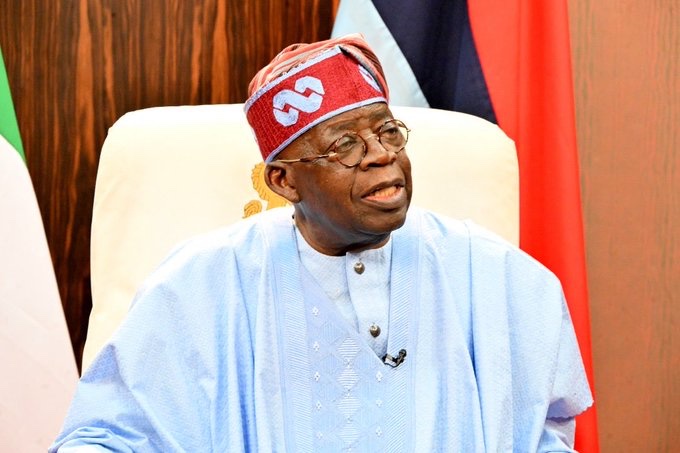
A Federal High Court in Abuja has fixed 9 March for judgment in a lawsuit challenging President Bola Tinubu’s authority to remove elected state officials during the state of emergency imposed in Rivers State last year.
Justice James Omotosho set the date after lawyers for both sides adopted their written arguments at the close of proceedings.
The case was filed by the Civil Society Observatory for Constitutional and Legal Compliance (CSOCLC), which argues that while the president is empowered under Section 305 of the Constitution to declare a state of emergency, he does not have the legal authority to suspend or remove elected executive and legislative officials, or to appoint an interim administrator.
Join our WhatsApp ChannelCounsel to the plaintiffs, Nnamdi Nwokocha-Ahaaiwe, told the court that the 1999 Constitution fully defines the scope of emergency powers and does not permit the suspension of elected officials.
He argued that reliance on the Emergency Powers (Jurisdiction) Act of 1962 is misplaced, describing the law as “spent” and deliberately excluded from Nigeria’s statute books before the 1999 Constitution came into force.
According to him, the law cannot be revived or modified through an executive order issued in 2025.
Mr Ahaaiwe said no statute expands presidential powers beyond what is expressly provided for in the constitution, adding that any attempt to do so would be unconstitutional.
Lawyers representing the president and other defendants raised a preliminary objection, arguing that the court lacked jurisdiction to hear the case.
They cited earlier court decisions and a 2025 presidential modification order, maintaining that only the Supreme Court has original jurisdiction over disputes arising from emergency powers.
Justice Omotosho noted that the case closely mirrors earlier suits he had dismissed on jurisdictional grounds, and referred to a Supreme Court ruling of 15 December 2025, which struck out a related case on procedural grounds.
However, the plaintiffs maintained that those decisions were wrongly based on an expired law, insisting that the 1962 Act no longer has legal force.
The suit seeks 26 reliefs, including a declaration that the appointed administrator of Rivers State, retired Vice Admiral Ibok-Ete Ekwe Ibas, cannot lawfully govern the state outside constitutional provisions.
The state of emergency, declared on 18 March 2025 and approved by the National Assembly, led to the suspension of Governor Siminalayi Fubara, his deputy and members of the state assembly for six months.
The emergency ended on 17 September 2025, with the elected officials reinstated the following day.
Court Order Halts Impeachment Track as Rivers Assembly Moves to Activate Panel Request
Tinubu Congratulates Super Eagles on AFCON 2025 Bronze Medal Triumph
Tinubu Sends 21 Nominations to Senate for Oil and Gas Regulatory Boards
The case revives unresolved constitutional questions about the limits of federal intervention in state governance.

Prosper Okoye is a Correspondent and Research Writer at Prime Business Africa, a Nigerian journalist with experience in development reporting, public affairs, and policy-focused storytelling across Africa