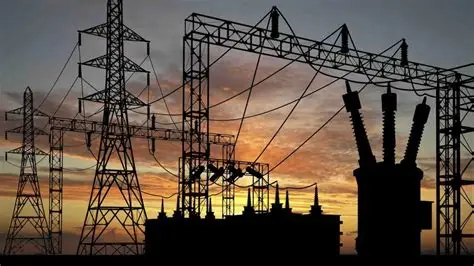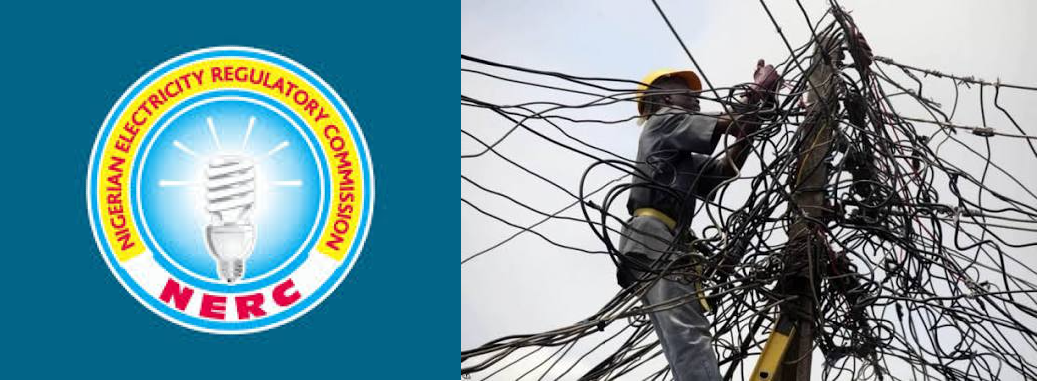
Nigeria ended 2025 with growing pressure on its electricity regulators after official figures showed a drop in power generation and continued instability on the national grid in December.
Prime Business Africa gathered from statements released by the Nigerian Electricity Regulatory Commission (NERC) that less electricity reached homes and businesses during the festive season, even as regulators held meetings aimed at strengthening grid rules and technical standards.
Less Power at a Critical Time
According to NERC’s December operational report, only 38% of Nigeria’s grid-connected power plants were available to generate electricity during the month, a further decline from November.
Join our WhatsApp ChannelThis meant that most of the country’s installed capacity was idle. On average, about 5,151 megawatts were available for dispatch to the grid, while actual generation fell to roughly 4,367 megawatts per hour.
The shortfall came at a time when households, shops and transport hubs typically use more electricity. For many Nigerians, it translated into longer blackouts, tighter load shedding and heavier reliance on petrol and diesel generators.
READ ALSO :
Grid Instability Adds to the Strain
Beyond falling generation, the report highlighted persistent instability on the national grid.
NERC said voltage and frequency levels repeatedly moved outside approved limits throughout December. Such fluctuations increase the risk of equipment damage and sudden shutdowns at power plants, raising the likelihood of wider outages.
To avoid a complete system collapse, grid operators were often forced to restrict supply, even when some power was available, limiting what could safely reach consumers.
Reforms Face Tough Questions
The figures were released as NERC convened stakeholders in Abuja to finalise revisions to the Grid Code and the Nigerian Electricity Supply and Installation Standards Regulations.
NERC Vice Chairman, Dr Yusuf Ali, said the updated rules were vital for guiding the Nigerian Independent System Operator, which is responsible for balancing supply and demand and keeping the grid stable.
“The goal is to ensure the rules are fit for purpose and responsive to the sector’s evolving realities,” he said at the meeting.
But the timing has fuelled scepticism among consumers who say repeated consultations have yet to deliver visible improvements in daily power supply.
Nigeria’s move towards state-level electricity regulation has also raised concerns about coordination, with experts warning that weak or outdated national standards could worsen grid stress rather than ease it.
Public Anger Over Supply and Bills
Public reaction to the December figures has been sharp. Energy analyst Dr Aronu Kwesi Charles questioned the value of frequent stakeholder meetings, saying they had not led to meaningful improvements in electricity supply or infrastructure, particularly in parts of south-eastern Nigeria.
Others have focused on billing practices. One social media user accused the Port Harcourt Electricity Distribution Company of charging customers beyond NERC’s approved monthly caps, an allegation that has added to anger over paying high bills despite unreliable supply.
When electricity supply falls but estimated bills remain high, trust in the power sector erodes further, consumer groups say.
Impact Beyond Nigeria’s Borders
Nigeria’s power challenges are also felt outside the country. It supplies electricity to neighbours including Benin, Niger and Togo, but analysts say domestic shortages and grid instability often lead to reduced exports.
Repeated underperformance risks weakening Nigeria’s standing within the West African Power Pool and undermining its ambition to serve as a regional energy hub.
A Growing Test of Confidence
For regulators, December’s figures represent a growing test of confidence. While revised rules and new standards promise long-term improvements, many Nigerians remain unconvinced after years of reforms.
As 2026 begins, the pressure is on policymakers to show that regulatory changes can deliver what consumers say they need most: steady electricity that reaches homes and businesses without constant disruption.

Prosper Okoye is a Correspondent and Research Writer at Prime Business Africa, a Nigerian journalist with experience in development reporting, public affairs, and policy-focused storytelling across Africa