 Prosper Okoye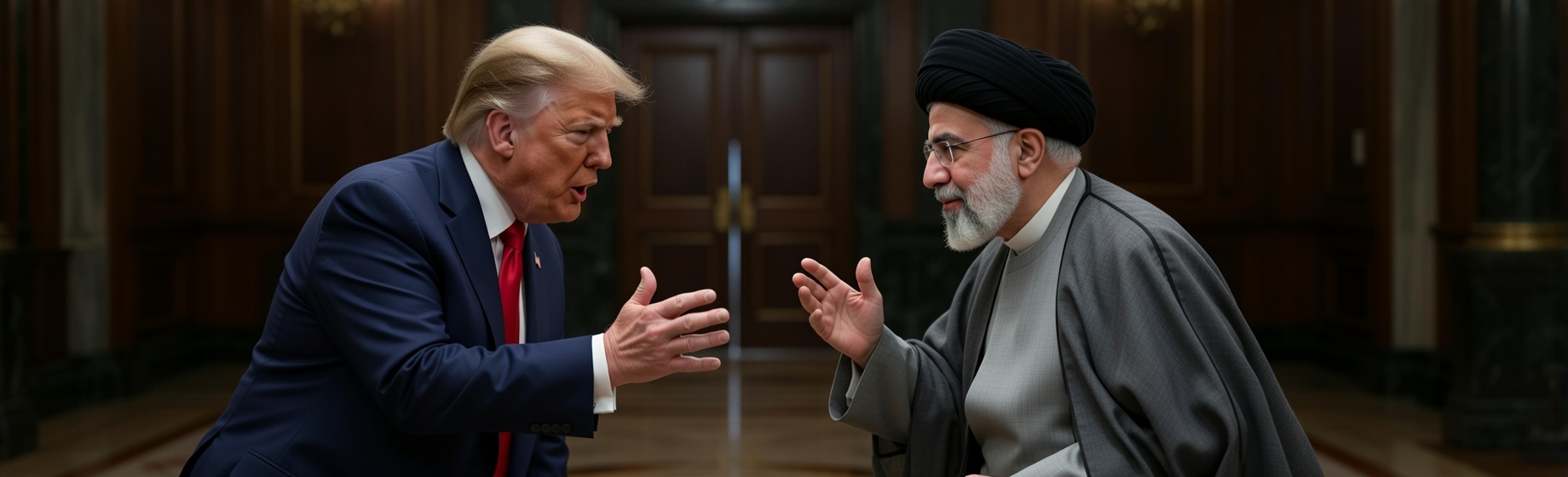
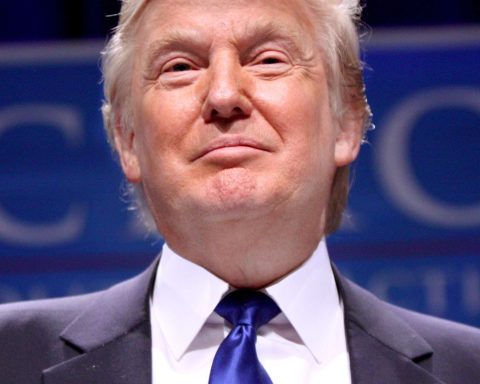
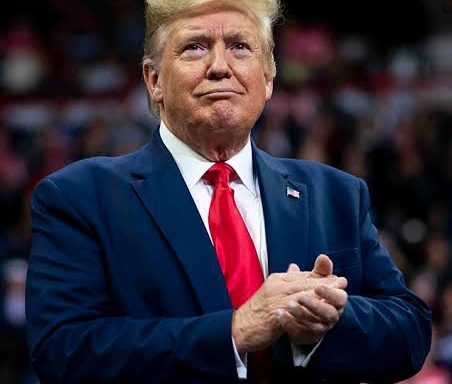
US President Donald Trump has said Iran is seeking to develop missiles capable of reaching the United States, as Washington and Tehran continue negotiations over Iran’s nuclear programme.
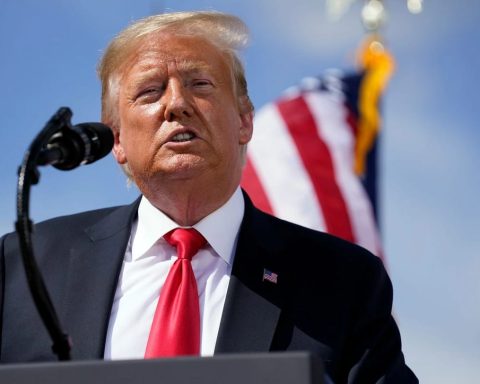
Speaking during his State of the Union address on Tuesday, Trump accused Iran of attempting to rebuild its nuclear capabilities following US strikes on key facilities last year.
He said Iran had already developed missiles capable of reaching Europe and US bases overseas, and warned that efforts were under way to extend that range further.
Join our WhatsApp ChannelUS intelligence assessments have previously indicated that Iran could develop an intercontinental ballistic missile by 2035 if it chose to pursue the capability, although there is no confirmation that such a decision has been made.
Iran’s current missile arsenal is believed to consist mainly of short- and medium-range systems, with a maximum range of about 3,000km (1,850 miles), far short of the distance needed to strike the US mainland.
The comments come amid high-stakes diplomacy between Washington and Tehran aimed at reaching a new agreement to replace the 2015 nuclear deal, which Trump withdrew from during his first term.
While the US has pushed for Iran to halt uranium enrichment entirely and curb its missile programme, Tehran has rejected those demands and insists its nuclear activities are for peaceful purposes.
In response to Trump’s remarks, Iran’s foreign ministry dismissed the allegations as “big lies”.
Foreign ministry spokesman Esmaeil Baqaei said the claims about Iran’s missile and nuclear ambitions were unfounded, while Foreign Minister Abbas Araghchi recently stated that Iran does not have the capability to strike the United States directly.
However, he warned that Iran would target US bases in the Middle East if it came under attack.
Despite the tensions, Trump said he preferred a diplomatic solution but reiterated that the US would not allow Iran to acquire a nuclear weapon.
Washington has increased its military presence in the region, deploying additional naval and air assets, while talks between the two sides are expected to continue later this week.

Prosper Okoye is a Correspondent and Research Writer at Prime Business Africa, a Nigerian journalist with experience in development reporting, public affairs, and policy-focused storytelling across Africa
- Prosper Okoye
- Prosper Okoye
- Prosper Okoye
- Prosper Okoye
- Prosper Okoye
- Prosper Okoye
- Prosper Okoye
- Prosper Okoye
- Prosper Okoye
- Prosper Okoye
- Prosper Okoye
- Prosper Okoye
- Prosper Okoye
- Prosper Okoye
- Prosper Okoye
- Prosper Okoye
- Prosper Okoye
- Prosper Okoye
- Prosper Okoye
- Prosper Okoye
- Prosper Okoye
- Prosper Okoye
- Prosper Okoye
- Prosper Okoye
- Prosper Okoye
- Prosper Okoye
- Prosper Okoye
- Prosper Okoye
- Prosper Okoye
- Prosper Okoye
- Prosper Okoye
- Prosper Okoye
- Prosper Okoye
- Prosper Okoye
- Prosper Okoye
- Prosper Okoye
- Prosper Okoye
- Prosper Okoye
- Prosper Okoye
- Prosper Okoye
- Prosper Okoye
- Prosper Okoye
- Prosper Okoye
- Prosper Okoye
- Prosper Okoye
- Prosper Okoye
- Prosper Okoye
- Prosper Okoye
- Prosper Okoye
- Prosper Okoye
- Prosper Okoye
- Prosper Okoye
- Prosper Okoye
- Prosper Okoye
- Prosper Okoye
- Prosper Okoye
- Prosper Okoye
- Prosper Okoye
- Prosper Okoye
- Prosper Okoye
- Prosper Okoye
- Prosper Okoye
- Prosper Okoye
- Prosper Okoye
- Prosper Okoye
- Prosper Okoye
- Prosper Okoye
- Prosper Okoye
- Prosper Okoye