 Prosper Okoye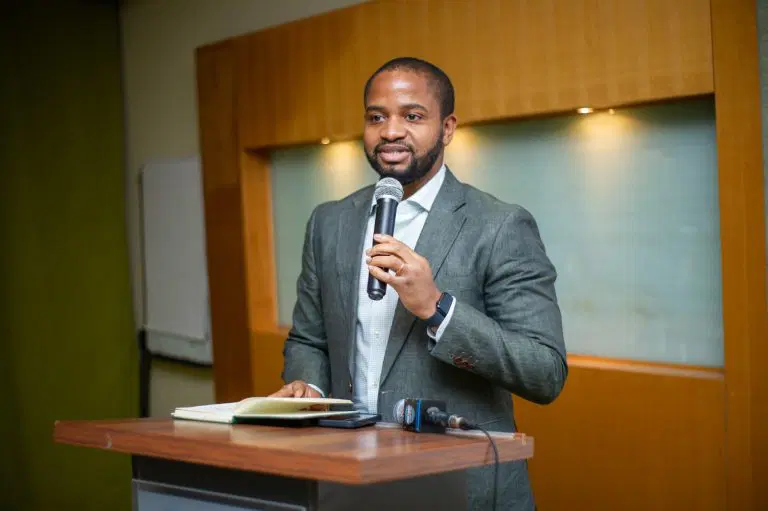
The South East Development Commission (SEDC) has defended its proposed ₦140 billion 2026 budget before the Senate, amid warnings that the agency must avoid past mismanagement and alleged siphoning of public funds.
The warning came during a budget defence session on Tuesday, where the commission’s management team appeared before the Senate Committee on South-East Development Commission to present its development plan.
Committee Chairman Orji Kalu urged the commission to remain focused on addressing decades of neglect in the region and warned against repeating mistakes that have plagued similar development bodies.
Join our WhatsApp Channel“It will be disappointing if this commission fails to execute its mandate and falls into the same controversies that have trailed similar agencies,” Kalu said. He added that the committee would exercise strict oversight on project implementation to ensure tangible benefits for the people.
The lawmaker also urged the commission to use the agency as a tool for regional development rather than a channel for financial mismanagement. “This commission is to work for our people, to rebuild our area. This committee will be very ruthless in its oversight,” he said.
READ ALSO:
The SEDC Will Need Protection from Political Extortion
SEDC MD Highlights Commision’s Plans To Boost Agricultural Activities In South-East
We’ll Hold SEDC Leaders Responsible For Utilisation Of Funds On Development Projects – Umeh
During the session, SEDC Managing Director Mark Okoye unveiled an ambitious plan to grow the South-East into a $200 billion economy within the next decade. He is seeking legislative approval for the 2026 budget to kick-start full implementation of the region’s development blueprint.
The Senate has emphasised that the success of SEDC depends on its ability to deliver meaningful development, warning that the commission must not become an avenue for siphoning public funds.

Prosper Okoye is a Correspondent and Research Writer at Prime Business Africa, a Nigerian journalist with experience in development reporting, public affairs, and policy-focused storytelling across Africa
- Prosper Okoye
- Prosper Okoye
- Prosper Okoye
- Prosper Okoye
- Prosper Okoye
- Prosper Okoye
- Prosper Okoye
- Prosper Okoye
- Prosper Okoye
- Prosper Okoye
- Prosper Okoye
- Prosper Okoye
- Prosper Okoye
- Prosper Okoye
- Prosper Okoye
- Prosper Okoye
- Prosper Okoye
- Prosper Okoye
- Prosper Okoye
- Prosper Okoye
- Prosper Okoye
- Prosper Okoye
- Prosper Okoye
- Prosper Okoye
- Prosper Okoye
- Prosper Okoye
- Prosper Okoye
- Prosper Okoye
- Prosper Okoye
- Prosper Okoye
- Prosper Okoye
- Prosper Okoye
- Prosper Okoye
- Prosper Okoye
- Prosper Okoye
- Prosper Okoye
- Prosper Okoye
- Prosper Okoye
- Prosper Okoye
- Prosper Okoye
- Prosper Okoye
- Prosper Okoye
- Prosper Okoye
- Prosper Okoye
- Prosper Okoye
- Prosper Okoye
- Prosper Okoye
- Prosper Okoye
- Prosper Okoye
- Prosper Okoye
- Prosper Okoye
- Prosper Okoye
- Prosper Okoye
- Prosper Okoye
- Prosper Okoye
- Prosper Okoye
- Prosper Okoye
- Prosper Okoye
- Prosper Okoye
- Prosper Okoye
- Prosper Okoye
- Prosper Okoye
- Prosper Okoye
- Prosper Okoye
- Prosper Okoye
- Prosper Okoye
- Prosper Okoye
- Prosper Okoye
- Prosper Okoye
- Prosper Okoye
- Prosper Okoye
- Prosper Okoye