 Prosper Okoye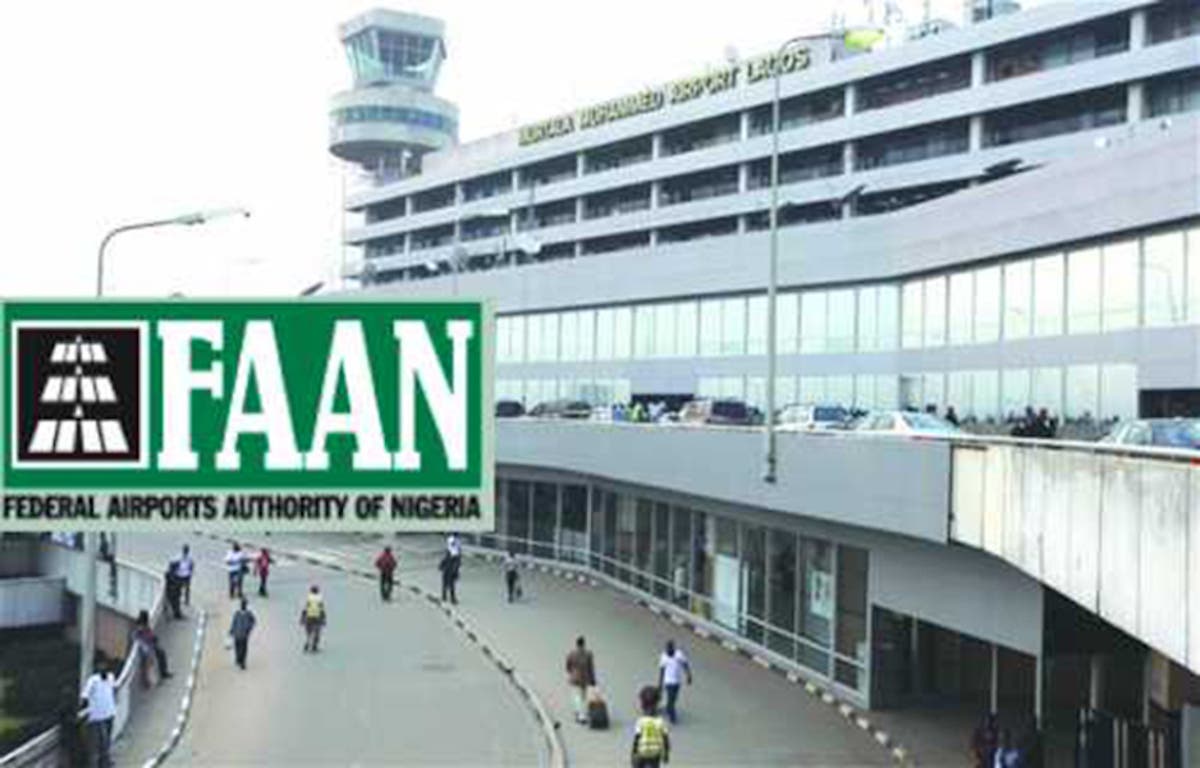
Operations have resumed at Murtala Muhammed International Airport after a fire disrupted flights at Nigeria’s busiest gateway.
The Federal Airports Authority of Nigeria said the airspace linked to Terminal One was reopened on Monday evening, with flights gradually returning to normal.
Managing Director Olubunmi Kuku said no deaths were recorded, but six people were injured in the incident.
Join our WhatsApp ChannelAt least three international flights were diverted at the height of the disruption, including services by Emirates, British Airways and Lufthansa.
A British Airways flight was redirected to Abuja, while Lufthansa diverted to Malabo in Equatorial Guinea. Emirates also rerouted its flight as emergency teams worked to contain the blaze.
Airport authorities said the fire, which began on the ground floor and spread to parts of the roof, was brought under control through coordinated emergency response efforts.
“Our priority was to contain the fire and ensure safe evacuation,” Mrs Kuku said, adding that investigations into the cause were ongoing.
She said the airport’s Emergency Operations Centre was activated immediately, with support from multiple agencies and state authorities.
Some flights were temporarily moved to Terminal Two, while a separate terminal is being prepared to handle affected operations in the coming days.
READ ALSO:
Keyamo Visits Lagos Airport After Terminal 1 Fire, Orders Joint Inspection
Fire Guts Section of Lagos Airport’s Old Terminal, FAAN Confirms No Casualties
100 Years of First Aircraft-Landing in Kano: A Need to Reposition Nigeria’s Aviation Ecosystem
Officials said engineers would assess the structural integrity of the affected building before full operations resume.
Despite lingering smoke, FAAN said flights began departing again by early evening, and passengers have been advised to proceed with travel plans as normal.

Prosper Okoye is a Correspondent and Research Writer at Prime Business Africa, a Nigerian journalist with experience in development reporting, public affairs, and policy-focused storytelling across Africa
- Prosper Okoye
- Prosper Okoye
- Prosper Okoye
- Prosper Okoye
- Prosper Okoye
- Prosper Okoye
- Prosper Okoye
- Prosper Okoye
- Prosper Okoye
- Prosper Okoye
- Prosper Okoye
- Prosper Okoye
- Prosper Okoye
- Prosper Okoye
- Prosper Okoye
- Prosper Okoye
- Prosper Okoye
- Prosper Okoye
- Prosper Okoye
- Prosper Okoye
- Prosper Okoye
- Prosper Okoye
- Prosper Okoye
- Prosper Okoye
- Prosper Okoye
- Prosper Okoye
- Prosper Okoye
- Prosper Okoye
- Prosper Okoye
- Prosper Okoye
- Prosper Okoye
- Prosper Okoye
- Prosper Okoye
- Prosper Okoye
- Prosper Okoye
- Prosper Okoye
- Prosper Okoye
- Prosper Okoye
- Prosper Okoye
- Prosper Okoye
- Prosper Okoye
- Prosper Okoye
- Prosper Okoye
- Prosper Okoye
- Prosper Okoye
- Prosper Okoye
- Prosper Okoye
- Prosper Okoye
- Prosper Okoye
- Prosper Okoye
- Prosper Okoye
- Prosper Okoye
- Prosper Okoye
- Prosper Okoye
- Prosper Okoye
- Prosper Okoye
- Prosper Okoye
- Prosper Okoye
- Prosper Okoye
- Prosper Okoye
- Prosper Okoye
- Prosper Okoye
- Prosper Okoye
- Prosper Okoye
- Prosper Okoye
- Prosper Okoye