 Prosper Okoye
Analysts say the recent interest rate cut by the Central Bank of Nigeria (CBN) points to improving confidence in Nigeria’s economic outlook, supported by easing inflation and stronger external reserves.
Mathew Anthony, a market analyst at FXTM, said the decision to reduce the benchmark rate by 0.5 percentage points was widely anticipated, noting that investors had focused more on the size of the cut rather than the likelihood of it happening.
“While some expected a larger reduction, the move still reflects improving economic conditions,” he said.
Join our WhatsApp ChannelAccording to Anthony, the central bank’s decision was driven by moderating inflation, a firmer naira and rising foreign exchange reserves. He added that the policy shift could boost investor sentiment ahead of the release of Nigeria’s fourth-quarter GDP data later this month.
He also dismissed concerns that the rate cut could weaken the currency, arguing that the naira may remain stable or even strengthen further.
“Nigeria still offers relatively high interest rates compared with other African markets, which could continue to attract foreign portfolio investors,” he said.
“Even with the rate cut, returns remain attractive when adjusted for inflation, while improved FX liquidity and strong reserves provide additional support for the naira.”
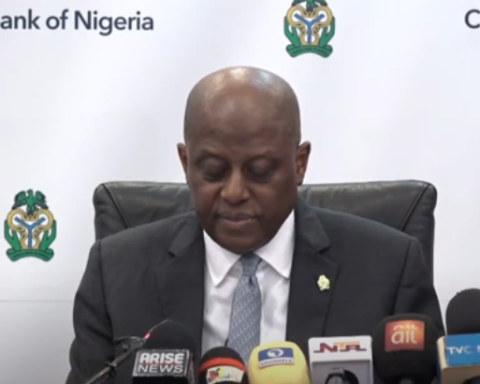
The decision, announced in Abuja by CBN Governor Olayemi Cardoso, marks the first rate cut since November 2025.
The Monetary Policy Committee lowered the benchmark rate from 27%, citing improved exchange rate stability, easing food prices and the delayed impact of earlier monetary tightening measures.
For businesses and borrowers, the move may offer some relief after months of elevated borrowing costs, although lending rates are expected to remain relatively high in the near term.
Cardoso said inflation is gradually easing, supported by improved food supply, more stable fuel prices and increased capital inflows.
Recent data from the National Bureau of Statistics (NBS) showed inflation edged down to 15.10% in January from 15.15% in December.
The central bank also adjusted its policy corridor to encourage lending, while keeping other key financial ratios unchanged.
The rate cut follows a similar move in September 2025 and may signal a gradual shift away from aggressive monetary tightening, although analysts say policymakers are likely to remain cautious until price stability is firmly established.
READ ALSO:
CBN Reiterates Naira Cash Bouquets Are Illegal Ahead of Valentine’s Day
CBN Clears Bank of Industry to Roll Out Non-Interest Financing Window
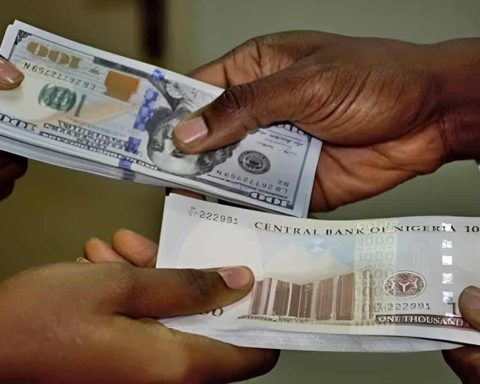
Meanwhile, the naira has strengthened in recent weeks, supported by reforms in the foreign exchange market, including expanded access for bureau de change operators to official trading windows.

Prosper Okoye is a Correspondent and Research Writer at Prime Business Africa, a Nigerian journalist with experience in development reporting, public affairs, and policy-focused storytelling across Africa