 Prosper Okoye
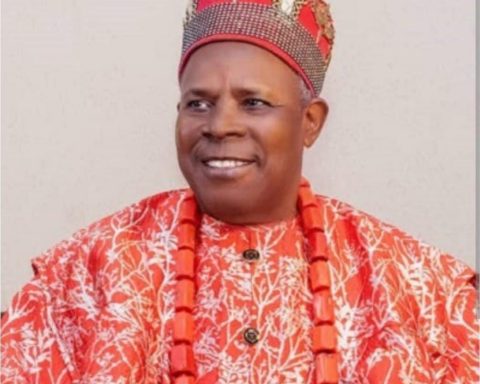
Senator Barinada Mpigi, who represented Rivers South-East in the 10th National Assembly, has died at the age of 64 after a brief illness.
His death was confirmed on Thursday, 19 February 2026.
Mpigi, who had spent more than a decade in Nigeria’s federal legislature, was serving as Chairman of the Senate Committee on Works, overseeing key issues related to federal road infrastructure and public works projects.
Join our WhatsApp ChannelRivers State Governor Siminalayi Fubara expressed “deep shock and sadness” at the news, describing the late senator as “a brother, a consummate politician, and one of the leading lights in Rivers State.”
In a statement issued by his Chief Press Secretary, Onwuka Nzeshi, the governor said Mpigi’s death came at a time when his experience and leadership were still needed. He extended condolences to the senator’s family, constituents in Rivers South-East, and members of the National Assembly.
Mpigi began his national political career in the House of Representatives, where he served two terms from 2011 to 2019, representing the Eleme/Tai/Oyigbo Federal Constituency. He was elected to the Senate in 2019 and re-elected in 2023.
READ ALSO:
Rivers Assembly Halts Impeachment Proceedings Against Governor Fubara
Fubara Dissolves Rivers Executive Council
Rivers Group Demands Probe of Wike’s Eight-Year Tenure, Urges Fubara to Set Up Judicial Panel
A member of the Peoples Democratic Party, he was known for his focus on infrastructure development and constituency programmes, particularly in education. He sponsored scholarship and postgraduate grant schemes aimed at supporting young people in his district.
There were recent indications of a possible political shift towards the All Progressives Congress, though he remained influential across party lines.
From Tai Local Government Area and of Ogoni heritage, Mpigi was widely regarded as a prominent voice in Rivers State politics.

Prosper Okoye is a Correspondent and Research Writer at Prime Business Africa, a Nigerian journalist with experience in development reporting, public affairs, and policy-focused storytelling across Africa
- Prosper Okoye
- Prosper Okoye
- Prosper Okoye
- Prosper Okoye
- Prosper Okoye
- Prosper Okoye
- Prosper Okoye
- Prosper Okoye
- Prosper Okoye
- Prosper Okoye
- Prosper Okoye
- Prosper Okoye
- Prosper Okoye
- Prosper Okoye
- Prosper Okoye
- Prosper Okoye
- Prosper Okoye
- Prosper Okoye
- Prosper Okoye
- Prosper Okoye
- Prosper Okoye
- Prosper Okoye
- Prosper Okoye
- Prosper Okoye
- Prosper Okoye
- Prosper Okoye
- Prosper Okoye
- Prosper Okoye
- Prosper Okoye
- Prosper Okoye
- Prosper Okoye
- Prosper Okoye
- Prosper Okoye
- Prosper Okoye
- Prosper Okoye
- Prosper Okoye
- Prosper Okoye
- Prosper Okoye
- Prosper Okoye
- Prosper Okoye
- Prosper Okoye
- Prosper Okoye
- Prosper Okoye
- Prosper Okoye
- Prosper Okoye
- Prosper Okoye
- Prosper Okoye
- Prosper Okoye
- Prosper Okoye
- Prosper Okoye
- Prosper Okoye
- Prosper Okoye
- Prosper Okoye
- Prosper Okoye
- Prosper Okoye
- Prosper Okoye
- Prosper Okoye
- Prosper Okoye
- Prosper Okoye