 Prosper Okoye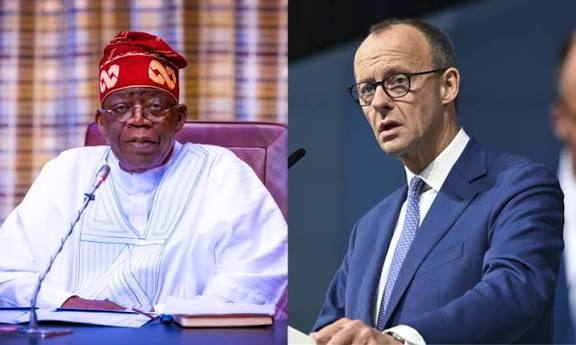
Millions of Nigerians struggling with unreliable electricity and limited job opportunities could see some relief after fresh talks between President Bola Tinubu and Germany’s Chancellor Friedrich Merz.
In a brief phone call on Wednesday, the two leaders discussed closer cooperation on power, transport, security and skills—areas that directly affect daily life across Nigeria.
For many households and businesses, erratic electricity remains a major challenge. President Tinubu said Nigeria would need more support to strengthen its power transmission network, a key step towards improving supply. Germany signalled it could help, with engineering firm Siemens expected to provide technical support and Deutsche Bank indicating a willingness to finance parts of the project.
Join our WhatsApp ChannelSecurity was also high on the agenda, particularly in the Sahel region, where growing instability continues to affect neighbouring countries and parts of northern Nigeria. Tinubu called for stronger intelligence sharing and equipment support, including helicopters, to help tackle the threat.
READ ALSO:
Trump Weighs Military Action Against Iran as Diplomacy Continues
Tinubu Assents to Reworked Electoral Act, Defends Manual Safeguards Ahead of 2027 Polls
Beyond infrastructure and security, both countries also discussed opportunities that could affect young Nigerians more directly. Plans to expand cooperation in skills training and the creative industry could open doors for employment and cultural exchange.
Germany also expressed interest in strengthening cultural ties, including a proposal for a major museum dedicated to African art—an idea that could help showcase Nigerian heritage to a global audience.
As Nigeria and Germany approach 65 years of diplomatic relations, officials say the renewed partnership could bring practical benefits—improving power supply, creating jobs and strengthening security—for ordinary Nigerians.

Prosper Okoye is a Correspondent and Research Writer at Prime Business Africa, a Nigerian journalist with experience in development reporting, public affairs, and policy-focused storytelling across Africa
- Prosper Okoye
- Prosper Okoye
- Prosper Okoye
- Prosper Okoye
- Prosper Okoye
- Prosper Okoye
- Prosper Okoye
- Prosper Okoye
- Prosper Okoye
- Prosper Okoye
- Prosper Okoye
- Prosper Okoye
- Prosper Okoye
- Prosper Okoye
- Prosper Okoye
- Prosper Okoye
- Prosper Okoye
- Prosper Okoye
- Prosper Okoye
- Prosper Okoye
- Prosper Okoye
- Prosper Okoye
- Prosper Okoye
- Prosper Okoye
- Prosper Okoye
- Prosper Okoye
- Prosper Okoye
- Prosper Okoye
- Prosper Okoye
- Prosper Okoye
- Prosper Okoye
- Prosper Okoye
- Prosper Okoye
- Prosper Okoye
- Prosper Okoye
- Prosper Okoye
- Prosper Okoye
- Prosper Okoye
- Prosper Okoye
- Prosper Okoye
- Prosper Okoye
- Prosper Okoye
- Prosper Okoye
- Prosper Okoye
- Prosper Okoye
- Prosper Okoye
- Prosper Okoye
- Prosper Okoye
- Prosper Okoye
- Prosper Okoye
- Prosper Okoye
- Prosper Okoye
- Prosper Okoye
- Prosper Okoye
- Prosper Okoye
- Prosper Okoye
- Prosper Okoye
- Prosper Okoye
- Prosper Okoye
- Prosper Okoye