 Amanze Chinonye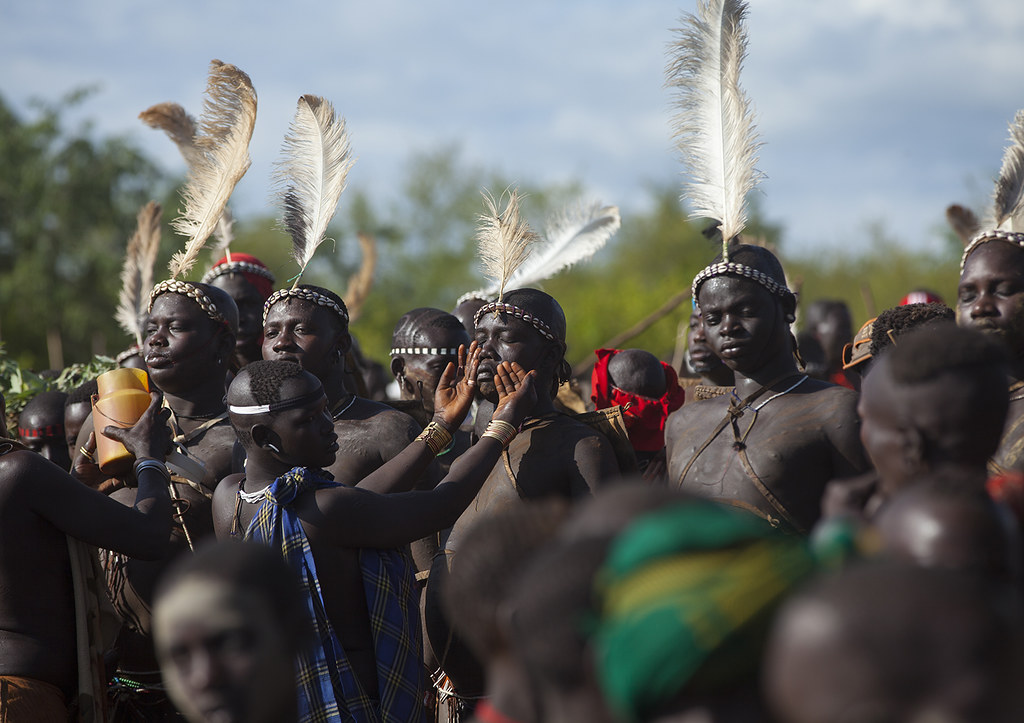
In the remote Lower Omo Valley, an annual ceremony turns body size into a measure of prestige as men spend months preparing for a competition in which physical bulk, rather than athletic ability, determines the winner.
Known as Ka’el, or the “fat men’s ceremony”, the festival is associated with the traditional New Year of the Bodi people, also known as the Me’en, a Surmic-speaking community in southwestern Ethiopia.
Join our WhatsApp ChannelHeld around June, the ceremony follows months of preparation during which selected unmarried men withdraw from much of their normal routine and concentrate on gaining weight.
READ ALSO :
Mau Mau Rebellion: The Uprising That Changed Kenya’s Path to Independence
Their traditional diet centres on fresh cattle blood and milk, with some natives also mentioning butter. Physical activity is restricted during the preparation period as the contestants seek to increase their body mass before the festival.
The practice is closely linked to the importance of cattle in Bodi society. Livestock are associated with wealth, livelihood and social standing and occupy an important place in the community’s cultural life.
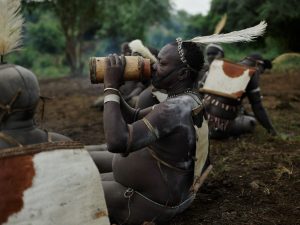
When Ka’el arrives, the contestants emerge from seclusion and appear before the community after months of deliberate weight gain.
Their bodies are traditionally decorated with clay and ash, while ceremonial headpieces may feature beads, cowrie shells and feathers. The men then take part in communal activities that include dancing and movement around a sacred tree.
The contestant judged to have achieved the greatest physical size is declared the champion.
Unlike conventional sporting competitions, Ka’el is not based on speed, strength or endurance. Its central measure is body size, achieved through months of preparation within a specific cultural and ceremonial setting.
The reward is largely social. Victory brings recognition and status within the community, making participation an important expression of achievement.
Cattle also feature in the closing rituals. Accounts describe the sacrifice of a cow and traditional practices involving the animal and its blood. Some secondary sources report that elders examine parts of the animal as a form of divination concerning the year ahead, although descriptions of the ritual differ.
READ ALSO :
Olojo: The ‘Day of Creation’ and the Sacred Crown of Ile-Ife
The physical transformation is temporary. After the festival, contestants return to their normal routines and diets, and the weight gained during preparation gradually declines.
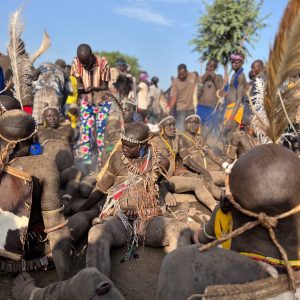
Ka’el therefore extends beyond a contest over body size. It brings together the Bodi’s traditional calendar, cattle culture, food practices, ritual and communal status in one of the Lower Omo Valley’s distinctive cultural traditions.
Viewed from outside the community, the ceremony may appear unusual. Within the Bodi cultural context, however, it represents a longstanding celebration in which physical transformation becomes a temporary marker of achievement and social recognition.

Amanze Chinonye is a Staff Correspondent at Prime Business Africa, a rising star in the literary world, weaving captivating stories that transport readers to the vibrant landscapes of Nigeria and the rest of Africa. With a unique voice that blends with the newspaper's tradition and style, Chinonye's writing is a masterful exploration of the human condition, delving into themes of identity, culture, and social justice. Through her words, Chinonye paints vivid portraits of everyday African life, from the bustling markets of Nigeria's Lagos to the quiet villages of South Africa's countryside . With a keen eye for detail and a deep understanding of the complexities of Nigerian society, Chinonye's writing is both a testament to the country's rich cultural heritage and a powerful call to action for a brighter future. As a writer, Chinonye is a true storyteller, using her dexterity to educate, inspire, and uplift readers around the world.