 Amanze Chinonye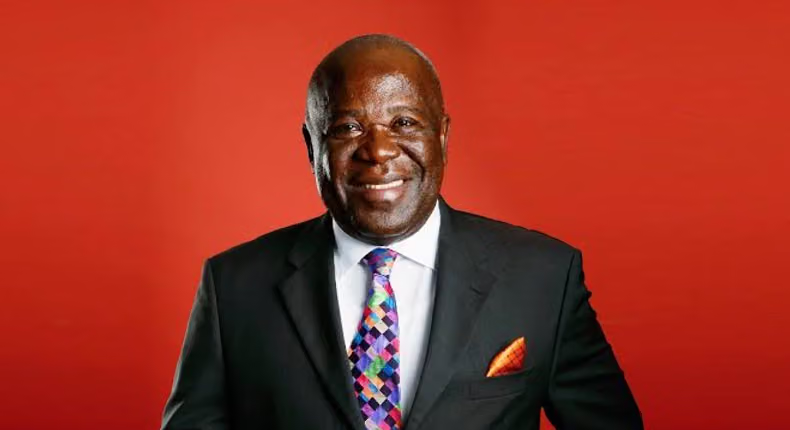
Ghanaian businessman and mining executive Sir Sam Jonah has escalated a high-value property dispute with Nigerian authorities to international arbitration, putting the future of the 501-hectare River Park Estate in Abuja before an International Chamber of Commerce (ICC) tribunal in Paris, Prime Business Africa reports.
The dispute centres on the termination of a development lease held by JonahCapital Nigeria Limited, an investment vehicle associated with Sir Sam Jonah, over a large parcel of land near the Nnamdi Azikiwe International Airport.
Join our WhatsApp ChannelThe development has grown into River Park Estate, a major residential and mixed-use project comprising housing, commercial facilities, healthcare centres, offices, places of worship and other supporting infrastructure.
READ ALSO :
How Equatorial Guinea, Gabon Ended Five-Decade Island Dispute Through ICJ Ruling
The financial value of the arbitration has not been made public. However, reports have placed the estimated value of the underlying property at about $500 million, based on prevailing real estate values in Abuja.
At the heart of the dispute is Plot 4, Cadastral Zone E30, Lugbe West, a 501-hectare site allocated to JonahCapital in 2007 as part of Nigeria’s Mass Housing Scheme.
JonahCapital contends that its development lease remains in force until June 2030. The company is challenging the Federal Capital Development Authority’s decision to terminate the agreement in November 2025, arguing that the action was inconsistent with the terms of the lease.
The company is asking the arbitral tribunal to determine the validity of the termination and grant appropriate relief.
JonahCapital has also accused the FCDA of failing to meet contractual obligations relating to infrastructure. It says the authority did not provide critical facilities, including roads, electricity and water, leaving the developer to shoulder significant infrastructure costs.
The company has separately raised objections over building approval fees and alleged that portions of the property have been fenced off during the dispute.
It also says the development has faced competing claims from third parties over parts of the estate, creating additional legal and financial complications during the project’s development.
The allegations form part of JonahCapital’s case and have not been established by the arbitration tribunal.
The Nigerian government has rejected the company’s position on the lease.
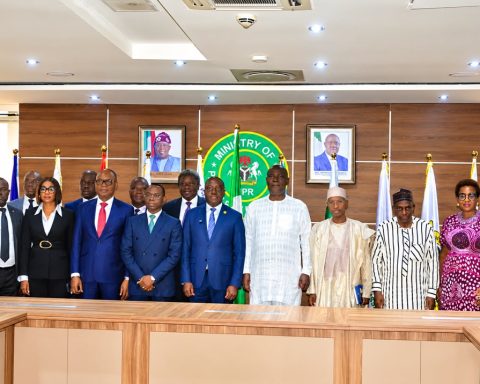
FCT Minister Nyesom Wike has confirmed that the matter is now before an arbitration panel and said the government would allow the process to determine the dispute.
“The other party has gone to arbitration and we say okay, until you finish from arbitration,” Wike said.
Wike has maintained that the government was within its rights to recover the property, arguing that the development lease had expired.
The property dispute is unfolding alongside a separate criminal case in Nigeria involving Sir Sam Jonah and other individuals connected with the development.
READ MORE :
Nigerian authorities have filed a 26-count charge before the Federal Capital Territory High Court, including allegations of forgery of company documents and unlawful allocation of shares in companies associated with the Abuja project.
Sir Sam Jonah has denied the allegations. The criminal proceedings are separate from the ICC arbitration, and the charges remain subject to determination by the court.
The dispute has also drawn the attention of the Ghanaian government, adding a diplomatic dimension to what began as a commercial and property disagreement.
Sir Sam Jonah previously petitioned Ghana’s Foreign Affairs Minister, Samuel Okudzeto Ablakwa, over actions by Nigerian authorities that he said threatened his interests in the investment.
Ablakwa subsequently raised concerns about the treatment of Ghanaian businesses operating in Nigeria during an ECOWAS Council of Ministers meeting in Abuja, using the JonahCapital dispute to highlight concerns surrounding Ghanaian investments in the country.
For investors, the significance of the case extends beyond the ownership or control of River Park Estate.
The proceedings could draw attention to the enforceability of long-term development agreements, the exposure of foreign investors to regulatory decisions and the risks associated with large-scale property projects requiring substantial capital commitments over many years.
READ ALSO :
Ghana Congratulates Senegal’s Faye on Election as ECOWAS Chairman, Pledges Support
International arbitration also shifts the immediate contest from Nigeria’s domestic legal system to a contractual dispute-resolution mechanism administered by the ICC in Paris.
For JonahCapital, the proceedings represent an attempt to challenge the termination of its development rights and protect its interests in the project. For the Nigerian authorities, the arbitration provides a forum to defend the legality of the lease termination and the government’s recovery of the property.
The timing and outcome of the proceedings remain uncertain, with no final arbitration hearing or determination publicly announced.
Sir Sam Jonah built his reputation as one of Ghana’s leading mining executives through his leadership of Ashanti Goldfields. He subsequently became president of AngloGold Ashanti following the 2004 merger between Ashanti Goldfields and AngloGold.
He has since expanded his business interests into sectors including mining, energy and real estate across Africa.
The River Park dispute now puts one of his major investments outside Ghana at the centre of an international commercial proceeding, with potential implications for how investors assess contractual and regulatory risks in Nigeria and the wider West African market.

Amanze Chinonye is a Staff Correspondent at Prime Business Africa, a rising star in the literary world, weaving captivating stories that transport readers to the vibrant landscapes of Nigeria and the rest of Africa. With a unique voice that blends with the newspaper's tradition and style, Chinonye's writing is a masterful exploration of the human condition, delving into themes of identity, culture, and social justice. Through her words, Chinonye paints vivid portraits of everyday African life, from the bustling markets of Nigeria's Lagos to the quiet villages of South Africa's countryside . With a keen eye for detail and a deep understanding of the complexities of Nigerian society, Chinonye's writing is both a testament to the country's rich cultural heritage and a powerful call to action for a brighter future. As a writer, Chinonye is a true storyteller, using her dexterity to educate, inspire, and uplift readers around the world.