Ka’el Festival: The Ethiopian Tradition Requiring Men to Gain Weight for Community Prestige

August 9, 2026
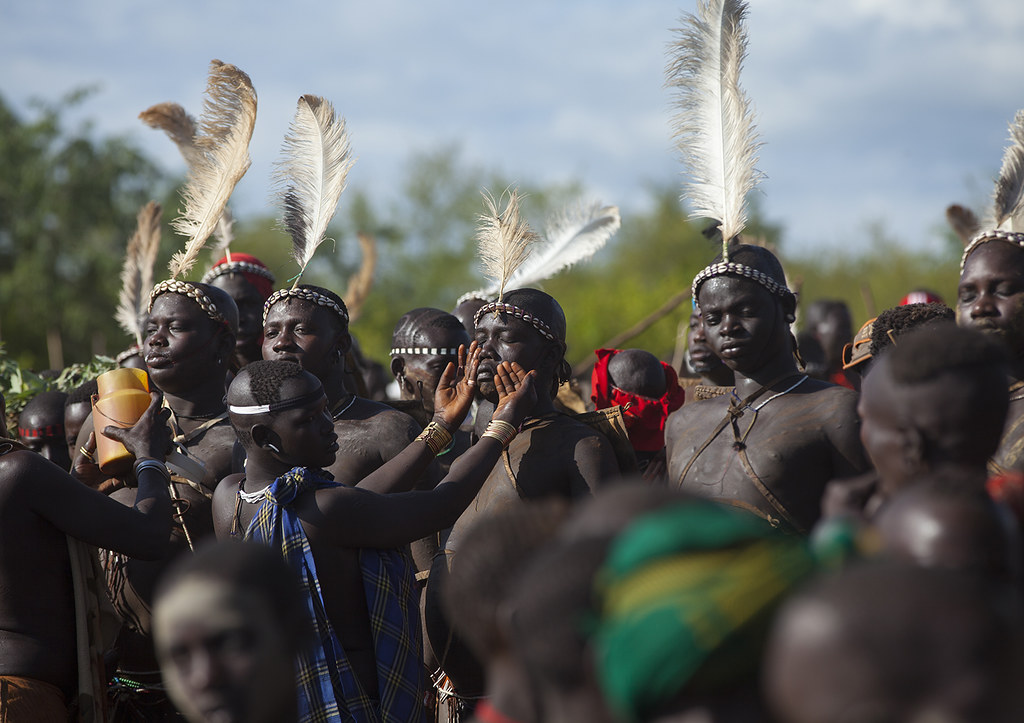
Photo Credit : Eric Lafforgue

In the remote Lower Omo Valley, an annual ceremony turns body size into a measure of prestige as men spend months preparing for a competition in which physical bulk, rather than athletic ability, determines the winner.

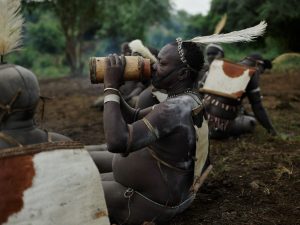
Known as Ka’el, or the “fat men’s ceremony”, the festival is associated with the traditional New Year of the Bodi people, also known as the Me’en, a Surmic-speaking community in southwestern Ethiopia.

Join our WhatsApp Channel

Held around June, the ceremony follows months of preparation during which selected unmarried men withdraw from much of their normal routine and concentrate on gaining weight.

READ ALSO :

Mau Mau Rebellion: The Uprising That Changed Kenya’s Path to Independence

Their traditional diet centres on fresh cattle blood and milk, with some natives also mentioning butter. Physical activity is restricted during the preparation period as the contestants seek to increase their body mass before the festival.

The practice is closely linked to the importance of cattle in Bodi society. Livestock are associated with wealth, livelihood and social standing and occupy an important place in the community’s cultural life.

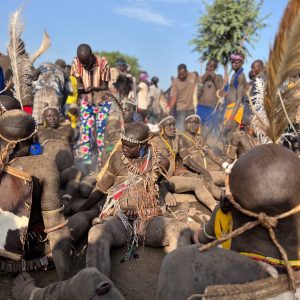
When Ka’el arrives, the contestants emerge from seclusion and appear before the community after months of deliberate weight gain.

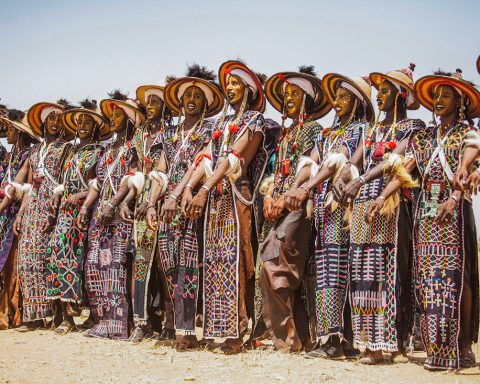
Their bodies are traditionally decorated with clay and ash, while ceremonial headpieces may feature beads, cowrie shells and feathers. The men then take part in communal activities that include dancing and movement around a sacred tree.

The contestant judged to have achieved the greatest physical size is declared the champion.

Unlike conventional sporting competitions, Ka’el is not based on speed, strength or endurance. Its central measure is body size, achieved through months of preparation within a specific cultural and ceremonial setting.

The reward is largely social. Victory brings recognition and status within the community, making participation an important expression of achievement.

Cattle also feature in the closing rituals. Accounts describe the sacrifice of a cow and traditional practices involving the animal and its blood. Some secondary sources report that elders examine parts of the animal as a form of divination concerning the year ahead, although descriptions of the ritual differ.

READ ALSO :

Olojo: The ‘Day of Creation’ and the Sacred Crown of Ile-Ife

The physical transformation is temporary. After the festival, contestants return to their normal routines and diets, and the weight gained during preparation gradually declines.

Ka’el therefore extends beyond a contest over body size. It brings together the Bodi’s traditional calendar, cattle culture, food practices, ritual and communal status in one of the Lower Omo Valley’s distinctive cultural traditions.

Viewed from outside the community, the ceremony may appear unusual. Within the Bodi cultural context, however, it represents a longstanding celebration in which physical transformation becomes a temporary marker of achievement and social recognition.

+ posts

Amanze Chinonye is a Staff Correspondent at Prime Business Africa, a rising star in the literary world, weaving captivating stories that transport readers to the vibrant landscapes of Nigeria and the rest of Africa. With a unique voice that blends with the newspaper's tradition and style, Chinonye's writing is a masterful exploration of the human condition, delving into themes of identity, culture, and social justice. Through her words, Chinonye paints vivid portraits of everyday African life, from the bustling markets of Nigeria's Lagos to the quiet villages of South Africa's countryside . With a keen eye for detail and a deep understanding of the complexities of Nigerian society, Chinonye's writing is both a testament to the country's rich cultural heritage and a powerful call to action for a brighter future. As a writer, Chinonye is a true storyteller, using her dexterity to educate, inspire, and uplift readers around the world.

Amanze Chinonye

Amanze Chinonye is a Staff Correspondent at Prime Business Africa, a rising star in the literary world, weaving captivating stories that transport readers to the vibrant landscapes of Nigeria and the rest of Africa. With a unique voice that blends with the newspaper's tradition and style, Chinonye's writing is a masterful exploration of the human condition, delving into themes of identity, culture, and social justice. Through her words, Chinonye paints vivid portraits of everyday African life, from the bustling markets of Nigeria's Lagos to the quiet villages of South Africa's countryside . With a keen eye for detail and a deep understanding of the complexities of Nigerian society, Chinonye's writing is both a testament to the country's rich cultural heritage and a powerful call to action for a brighter future. As a writer, Chinonye is a true storyteller, using her dexterity to educate, inspire, and uplift readers around the world.
Leave a Reply

Your email address will not be published.

Minimum Wage Decision Expected as Nigerian Labour Leaders Await President's Response ABUJA, NIGERIA – The discussions on the new minimum wage between the Federal Government and Organized Labour are anticipated to conclude today, with labour leaders keenly awaiting President Bola Tinubu's verdict on their N250,000 proposal. The Nigeria Labour Congress (NLC) and the Trade Union Congress (TUC) had set a Monday deadline for finalizing the new minimum wage talks. Last Friday, the Tripartite Committee on National Minimum Wage concluded its meetings where the Federal Government and the Organized Private Sector agreed on N62,000, while Labour demanded N250,000. However, the Nigeria Governors Forum declared that any minimum wage exceeding N60,000 would be unsustainable. A labour leader who spoke anonymously on Sunday stated, "We have submitted the report to the president and are waiting for him to make his decision. That is the most important thing and that is what we are all waiting for." The labour leaders, including NLC President Joe Ajaero, are currently attending a labour conference organized by the International Labour Organisation in Geneva, Switzerland. The leadership plans to hold a National Executive Council meeting upon their return, where a decision on a potential strike will be made based on the president's feedback. "We must come back from Geneva first before we can hold a NEC meeting. We are also trying to be careful so the government won't say Labour is inciting citizens against it. We are waiting for the president's decision," added another top NLC official. The labour unions, comprising the NLC and TUC, recently embarked on a two-day nationwide strike to demand a new minimum wage and the reversal of the electricity tariff hike. The strike was suspended for five days after a commitment was made with the Federal Government to resume negotiations and establish a new minimum wage within a week. Following a six-hour meeting between labour leaders and the National Assembly in Abuja, President Tinubu directed the finance minister, Wale Edun, to present the cost implications of a new minimum wage within two days. The finance minister, alongside the Minister of Budget and National Planning, Atiku Bagudu, presented the cost implications at the Presidential Villa on Thursday. The president is currently reviewing the proposal and is expected to make an official announcement soon. When asked about the Monday ultimatum, a source within the NLC said, "We have sent a report to the committee and are expecting the president to act on it. We will hold a National Executive Council meeting regarding the ultimatum when we return from Geneva. It is very important for us to be there, but right now, we are patiently waiting for the decision of Mr President." Organized Labour's recent actions underscore the urgency and importance of establishing a new minimum wage for Nigerian workers. The outcome of President Tinubu's decision will be crucial in determining the next steps for both the government and the labour unions. Related News: Atiku claims to have saved Tinubu's political career Debating the appropriate wage for workers Labour criticizes governors for minimum wage stance The labour leaders and the nation await the president's decision, which will significantly impact the economic and social landscape of Nigeria.
Previous Story

NLC Seeks Review of ₦70,000 Minimum Wage, Sets ₦500,000 Benchmark

Next Story

Sir Sam Jonah Escalates $500m Abuja Property Dispute to ICC Arbitration

Featured Stories

Latest from Events

Minimum Wage Decision Expected as Nigerian Labour Leaders Await President's Response ABUJA, NIGERIA – The discussions on the new minimum wage between the Federal Government and Organized Labour are anticipated to conclude today, with labour leaders keenly awaiting President Bola Tinubu's verdict on their N250,000 proposal. The Nigeria Labour Congress (NLC) and the Trade Union Congress (TUC) had set a Monday deadline for finalizing the new minimum wage talks. Last Friday, the Tripartite Committee on National Minimum Wage concluded its meetings where the Federal Government and the Organized Private Sector agreed on N62,000, while Labour demanded N250,000. However, the Nigeria Governors Forum declared that any minimum wage exceeding N60,000 would be unsustainable. A labour leader who spoke anonymously on Sunday stated, "We have submitted the report to the president and are waiting for him to make his decision. That is the most important thing and that is what we are all waiting for." The labour leaders, including NLC President Joe Ajaero, are currently attending a labour conference organized by the International Labour Organisation in Geneva, Switzerland. The leadership plans to hold a National Executive Council meeting upon their return, where a decision on a potential strike will be made based on the president's feedback. "We must come back from Geneva first before we can hold a NEC meeting. We are also trying to be careful so the government won't say Labour is inciting citizens against it. We are waiting for the president's decision," added another top NLC official. The labour unions, comprising the NLC and TUC, recently embarked on a two-day nationwide strike to demand a new minimum wage and the reversal of the electricity tariff hike. The strike was suspended for five days after a commitment was made with the Federal Government to resume negotiations and establish a new minimum wage within a week. Following a six-hour meeting between labour leaders and the National Assembly in Abuja, President Tinubu directed the finance minister, Wale Edun, to present the cost implications of a new minimum wage within two days. The finance minister, alongside the Minister of Budget and National Planning, Atiku Bagudu, presented the cost implications at the Presidential Villa on Thursday. The president is currently reviewing the proposal and is expected to make an official announcement soon. When asked about the Monday ultimatum, a source within the NLC said, "We have sent a report to the committee and are expecting the president to act on it. We will hold a National Executive Council meeting regarding the ultimatum when we return from Geneva. It is very important for us to be there, but right now, we are patiently waiting for the decision of Mr President." Organized Labour's recent actions underscore the urgency and importance of establishing a new minimum wage for Nigerian workers. The outcome of President Tinubu's decision will be crucial in determining the next steps for both the government and the labour unions. Related News: Atiku claims to have saved Tinubu's political career Debating the appropriate wage for workers Labour criticizes governors for minimum wage stance The labour leaders and the nation await the president's decision, which will significantly impact the economic and social landscape of Nigeria.
Previous Story

NLC Seeks Review of ₦70,000 Minimum Wage, Sets ₦500,000 Benchmark

Next Story

Sir Sam Jonah Escalates $500m Abuja Property Dispute to ICC Arbitration

Don't Miss

NGX Set To Lose N60bn As MRS Oil Nigeria Plc Plans To Delist Shares

Equity Market Declines By 0.95% As Investors Lose N539bn In Nigeria

Nigeria’s equity market saw a sharp decline of 0.95% during
Naira vs Dollar: What To Expect This Week (24th-30th, March 2025)

Naira Gains Against Dollar As Market Awaits US Inflation Data

The naira made some gains against the US dollar as