 Amanze Chinonye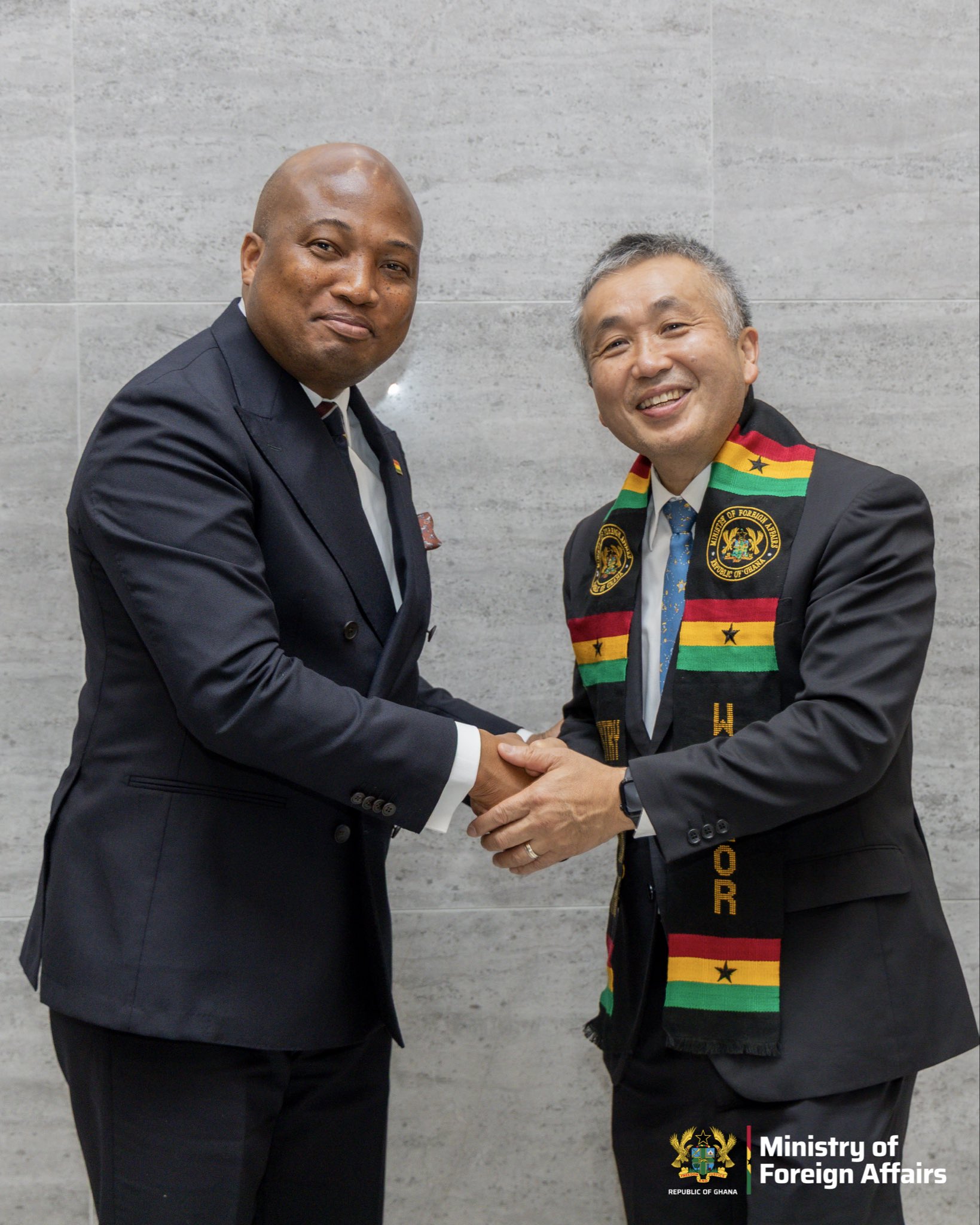
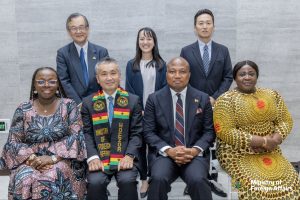
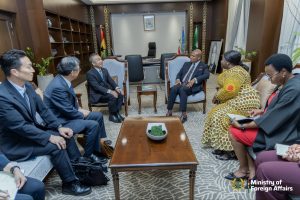
Ghana is seeking to build its space science capacity through cooperation with Japan, Foreign Affairs Minister Samuel Okudzeto Ablakwa said as he hosted Japanese astronaut and engineer Koichi Wakata on his first visit to the country.
Join our WhatsApp Channel
Ablakwa said the visit provided an opportunity to discuss Ghana’s space ambitions and expose students to Wakata’s experience in space exploration.
READ ALSO :
Wakata has completed five space missions and spent 504 days in space. He also became the first Japanese astronaut to command the International Space Station, serving as commander of Expedition 39 in 2014.
Ghana and Japan signed a space agreement last year as part of efforts to strengthen cooperation in space science and technology. Ablakwa said the partnership would support Ghana during what he described as its “initial years of baby steps” as it develops the sector.
“Cabinet has already approved Ghana’s space science policy and the relevant structures are being created,” Ablakwa said.
READ MORE :
SpaceX Launches Four Astronauts To International Space Station
As part of the visit, the minister invited students from Presbyterian Boys’ Secondary School, Legon, known as PRESEC, to meet Wakata. The school is a nine-time winner of Ghana’s National Science and Maths Quiz.
The meeting was attended by University of Ghana Vice Chancellor Nana Aba Appiah Amfo, senior university lecturers and officials from the Japan International Cooperation Agency, or JICA.
Ghana has been expanding cooperation with Japan in space science and technology as it develops domestic technical capacity and explores the use of space applications for national development.
Wakata’s visit comes as Ghana works to establish the institutional structures needed to implement its space science policy and expand international cooperation in the sector.

Amanze Chinonye is a Staff Correspondent at Prime Business Africa, a rising star in the literary world, weaving captivating stories that transport readers to the vibrant landscapes of Nigeria and the rest of Africa. With a unique voice that blends with the newspaper's tradition and style, Chinonye's writing is a masterful exploration of the human condition, delving into themes of identity, culture, and social justice. Through her words, Chinonye paints vivid portraits of everyday African life, from the bustling markets of Nigeria's Lagos to the quiet villages of South Africa's countryside . With a keen eye for detail and a deep understanding of the complexities of Nigerian society, Chinonye's writing is both a testament to the country's rich cultural heritage and a powerful call to action for a brighter future. As a writer, Chinonye is a true storyteller, using her dexterity to educate, inspire, and uplift readers around the world.