 Prosper Okoye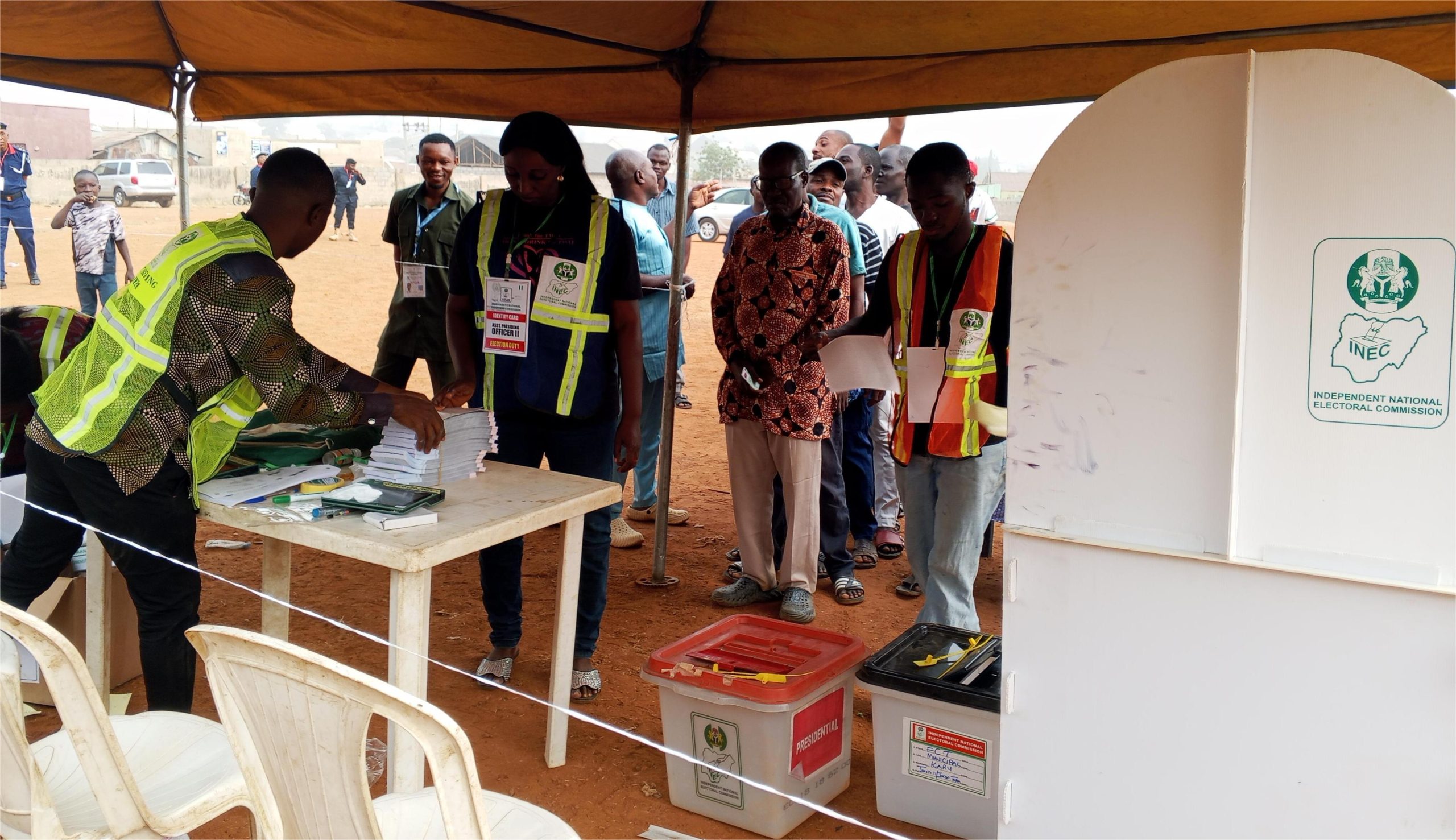
The latest area council elections in Nigeria’s capital have delivered a familiar headline—victory for the ruling All Progressives Congress—but beneath the surface, the results point to more complex political undercurrents that may shape the road to 2027.
Across the six area councils of the Federal Capital Territory, the APC secured five chairmanship seats, leaving the Peoples Democratic Party with a solitary win in Gwagwalada. Yet turnout was low, disputes emerged quickly, and competing narratives have already taken hold.
A Clean Sweep—Almost
Join our WhatsApp ChannelOfficial results released by the Independent National Electoral Commission show the APC prevailing in Abuja Municipal Area Council (AMAC), Bwari, Kuje, Kwali and Abaji.
In AMAC, widely seen as the political and administrative heart of the FCT, the party recorded its most emphatic victory, with Christopher Zakka polling over 40,000 votes—far ahead of his closest rivals.
Elsewhere, margins were narrower but decisive. In Kwali and Bwari, APC candidates also secured clear leads, while victories in Kuje and Abaji reinforced what party officials describe as growing grassroots strength in the capital.
The lone exception came in Gwagwalada, where PDP candidate Mohammed Kasim won with more than 22,000 votes, defeating the APC challenger by a margin of over 4,000 votes in what officials described as a competitive contest.
Low Turnout, Familiar Concerns
Despite the scale of the exercise—covering six chairmanship and 62 councillorship positions—participation remained subdued. INEC estimates suggest that just 15 per cent of registered voters cast their ballots.
For some observers, that figure is as politically telling as the results themselves.
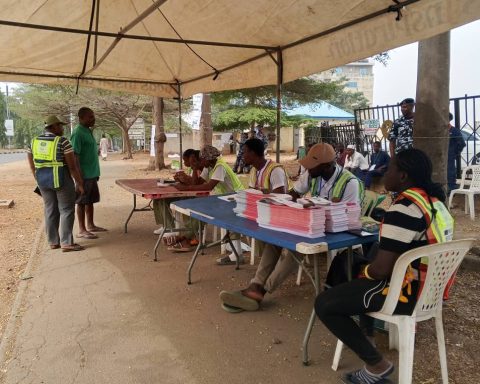
Logistical challenges were reported in parts of the territory, including delays at polling units and confusion linked to the creation of additional “split polling units.” While INEC insists these changes were communicated in advance, some voters said they struggled to locate their assigned centres.
More troubling were allegations of vote-buying. The Economic and Financial Crimes Commission confirmed the arrest of 20 suspects and said more than ₦17 million was recovered in connection with electoral offences.
Disputes and Competing Narratives
The PDP has rejected aspects of the outcome, alleging intimidation, monetisation of the process and interference by security operatives. The party has set up a legal team to challenge the results in court, even as it celebrated its victory in Gwagwalada as a sign of resilience.
Within the APC, however, the elections are being framed as an endorsement of the current administration. Party chairman Nentawe Yilwatda described the results as proof of “resilience and grassroots strength,” while FCT Minister Nyesom Wike said they reflected public confidence in governance.
President Bola Ahmed Tinubu struck a more measured tone, congratulating winners while urging them to treat their mandates as a public trust.
Not all voices were convinced. Former Vice-President Atiku Abubakar pointed instead to low turnout, warning that it signals waning public confidence and a shrinking democratic space.
A Test Case for 2027?
While off-cycle local elections rarely predict national outcomes, Abuja’s political landscape carries symbolic weight. For the APC, control of five out of six area councils reinforces perceptions of organisational reach and an incumbency advantage in the capital. For the PDP, retaining Gwagwalada—and securing key councillorship seats—provides a foothold it hopes to expand ahead of 2027.
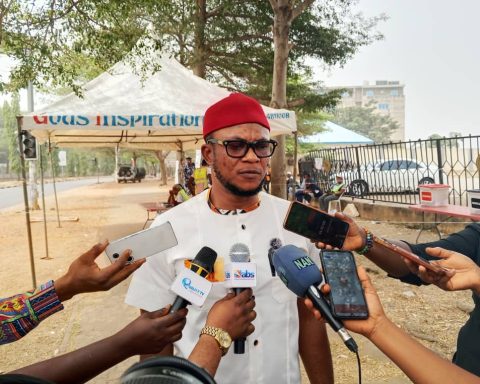
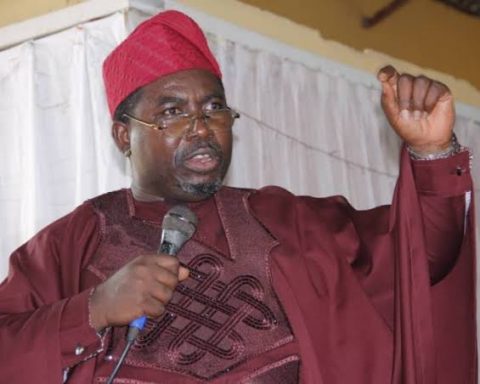
The elections were not without controversy. Reports from Prime Business Africa highlighted complaints by the APGA chairmanship candidate, Dr. Eze Onyebuchi over INEC allegedly failing to bring original copies of election result sheets to polling units. Allegations of voter intimidation and vote buying—familiar features of past Nigerian elections—also surfaced. Turnout remained low, and voter disengagement appears as significant a factor as party strength in shaping outcomes.
READ ALSO:
FCT Polls: INEC Allegedly Forgets Original Copy of Result Sheets
Tinubu Urges Orderliness, Restraint as INEC Conducts Elections in FCT, Kano, Rivers
These polls were held against the backdrop of sweeping reforms under the Electoral Act 2026. The legislation introduces stricter penalties for electoral offences, mandates electronic transmission of results, and aims to strengthen INEC’s financial and operational independence. It also tightens rules around party primaries and campaign finance. Proponents say the law will improve transparency and accountability, while critics within opposition ranks argue certain provisions could tilt the playing field.
Taken together, the FCT results provide less a verdict than a snapshot: a dominant ruling party, a still-competitive opposition, and an electorate whose engagement remains uncertain. If anything, the elections highlight a central question for 2027—not only who is winning, but how actively voters participate in the process that decides it.

Prosper Okoye is a Correspondent and Research Writer at Prime Business Africa, a Nigerian journalist with experience in development reporting, public affairs, and policy-focused storytelling across Africa