Faster and more reliable internet could soon reach millions of Nigerians after the European Union pledged €22m to support the country’s fibre-optic expansion.
The funding, announced in Abuja, is part of the government’s Project BRIDGE initiative, which aims to extend broadband access across the country—particularly to underserved communities where connectivity remains limited.
For many Nigerians, especially small business owners and students, poor internet access has long been a barrier to work, education and communication. Officials say the new investment could help change that by laying tens of thousands of kilometres of fibre-optic cables nationwide.
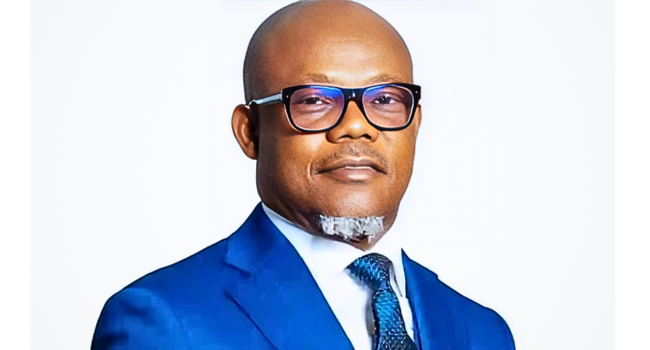
Join our WhatsApp ChannelNigeria’s Communications Minister, Bosun Tijjani, said the project is central to the country’s digital future, adding that reliable broadband is essential for economic growth and inclusion.
The funding will be channelled through the European Bank for Reconstruction and Development, which is also considering an additional €86m loan to support the project. It marks the bank’s first major sovereign investment in Nigeria since the country became a shareholder.
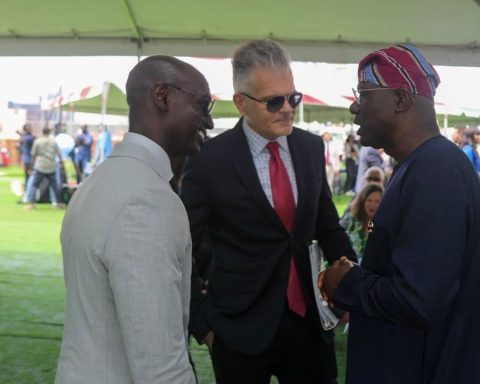
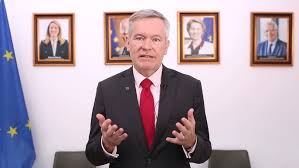
EU Ambassador to Nigeria, Gautier Mignot, said the initiative would help build secure, high-quality digital infrastructure, while also strengthening cooperation between Nigeria and Europe.
Project BRIDGE aims to deploy about 90,000km of fibre-optic cables through a partnership between government and private investors. Preparatory work funded by the EU will focus on mapping routes, assessing risks and designing parts of the network to international standards.
READ ALSO:
Naira Appreciates Against Dollar, Pound, Euro In Black Market
Dollar, Pound, Euro Rates Drop In Official Market
Stocks, Treasuries, Dollar Slide Amid Renewed US-Europe Trade Tensions
Beyond infrastructure, the programme is expected to create opportunities for workers. Around 2,000 technicians are to be trained, while smaller contractors will receive support to participate in the rollout.
Officials say these measures could lower the cost of deployment and speed up delivery, bringing Nigeria closer to its goal of widespread, affordable internet access.
For millions still struggling with slow or unreliable connections, the project could mark a turning point—opening up new possibilities for learning, business and everyday life.

Prosper Okoye is a Correspondent and Research Writer at Prime Business Africa, a Nigerian journalist with experience in development reporting, public affairs, and policy-focused storytelling across Africa