 Prosper Okoye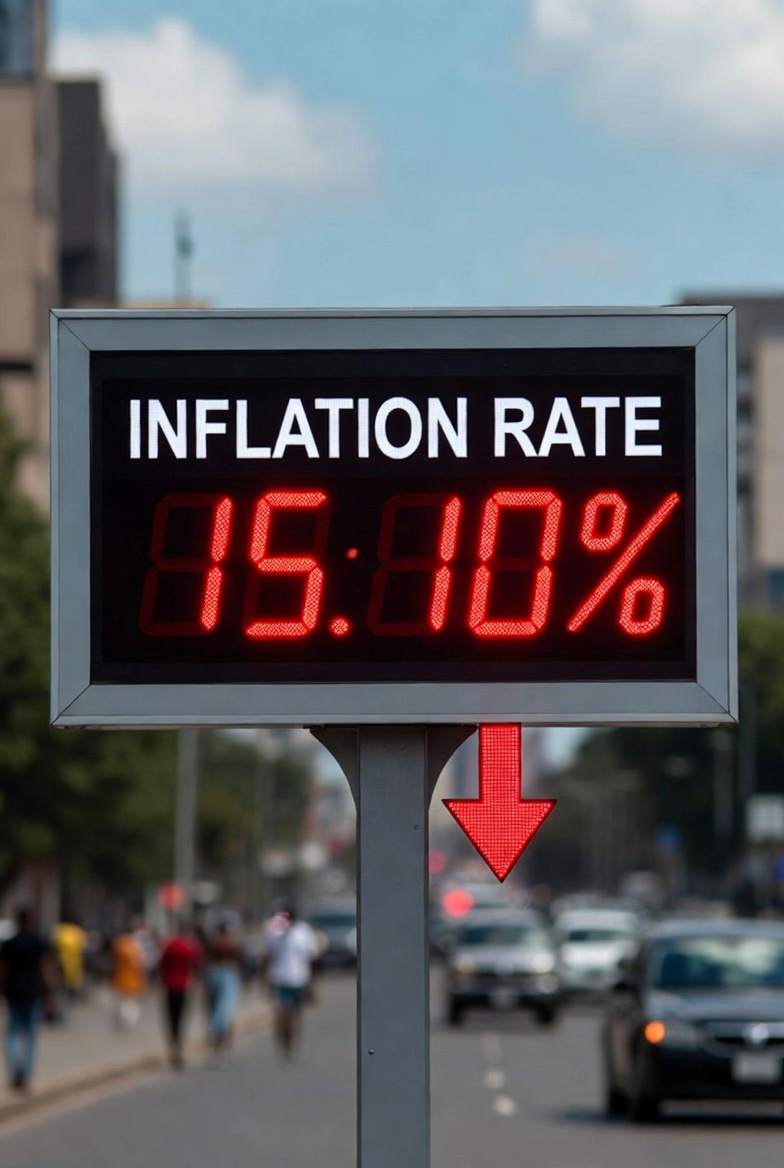
Nigeria’s headline inflation rate fell to 15.10% in January 2026, the latest figures from the National Bureau of Statistics (NBS) show, extending a run of gradual declines that has lasted for almost a year.
The figure is slightly lower than the 15.15% recorded in December and far below the 27.61% seen a year earlier, in January 2025. In simple terms, this means prices are still rising, but at a much slower pace than they were at the height of Nigeria’s cost-of-living crisis.
More strikingly, average prices actually fell between December and January, with the month-to-month inflation rate at -2.88%. That suggests many goods became a little cheaper after the festive season.
Join our WhatsApp ChannelEconomists say the improvement has been helped by a recent update to how inflation is measured, as well as better food supply and easing pressure on the foreign exchange market. The NBS recently rebased its Consumer Price Index to better reflect current spending patterns, using 2024 as the new base year.
What It Means For Food And Daily Living
For many Nigerians, the most important number is food inflation — and that also moved in a positive direction.
Food prices rose 8.89% year-on-year in January, down from 10.84% in December. This reflects increased supply after the harvest season, lower transport costs in some areas, and softer prices after the Christmas and New Year period.
That has brought some relief to households, particularly on staples such as rice, beans, yam and vegetables. Some families say the pressure at local markets is no longer as severe as it was in 2024 and early 2025.
But the overall cost of living remains high. Prices for transport, electricity, fuel and imported goods are still rising quickly, pushing so-called “core inflation” — which excludes food and energy — into the 17–18% range. Many Nigerians say their incomes have not kept pace, meaning everyday life is still a struggle despite the improved statistics.
Analysts say if the current trend continues through 2026, people should gradually feel more relief, but it will not be immediate or dramatic.
READ ALSO:
Pezeshkian Reveals $1,000 Monthly Pay as Iran’s Inflation Crisis Deepens
Nigeria Inflation Falls to 16% in October, Cost Pressures Remain High
Nigeria’s Inflation Moderates for Eighth Month, Hits 14.45% in November
What It Means For The Naira And The Economy
Lower inflation is also helping to stabilise Nigeria’s currency.
The naira has been trading in a narrower and more stable range in recent weeks, both at the official market run by the Central Bank of Nigeria and in street trading. When inflation slows, the naira tends to hold its value better, because money inside the country loses its purchasing power more slowly.
A steadier currency also makes it easier for businesses to plan and for foreign investors to bring money into Nigeria.
Economists say the fall in inflation could influence the central bank’s next interest-rate decision. If prices continue to cool, there may be room for rate cuts later in the year, which could support growth and borrowing — though risks remain from global oil prices, imports and security challenges.
For now, January’s data offers cautious encouragement: food is getting cheaper, the naira is steadier, and the worst of Nigeria’s inflation shock appears to be easing — even if daily life is still hard for millions.

Prosper Okoye is a Correspondent and Research Writer at Prime Business Africa, a Nigerian journalist with experience in development reporting, public affairs, and policy-focused storytelling across Africa