 Amanze Chinonye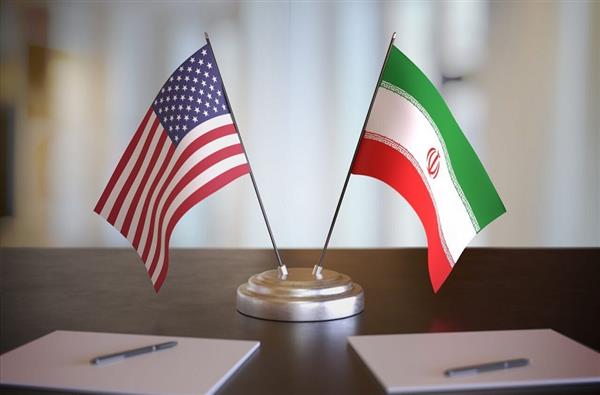
The United States and Iran have signed a 14-point Memorandum of Understanding (MoU) aimed at ending hostilities, reopening critical Gulf shipping routes and launching negotiations on a broader agreement covering Tehran’s nuclear programme, sanctions relief and regional security.
The agreement, which officials described as a framework rather than a final peace deal, marks the most significant diplomatic breakthrough between Washington and Tehran and could ease tensions across the Middle East while helping stabilize global energy markets.
READ ALSO :
Join our WhatsApp ChannelIran Warns Ceasefire Covers Lebanon, Holds U.S., Israel Responsible for Any Breach
Under the MoU, both sides and their allies agreed to an immediate and permanent cessation of military operations on all fronts, including in Lebanon, and committed to resolving outstanding disputes through a 60-day negotiation process.
As part of the arrangement, Washington agreed to begin lifting maritime restrictions on Iran and issue waivers allowing the export of Iranian crude oil and petroleum products. Tehran, in turn, pledged to facilitate the safe passage of commercial vessels through the Strait of Hormuz and the Gulf of Oman, waterways through which a significant share of the world’s oil supply passes.
The reopening of these strategic shipping routes is expected to reduce pressure on global energy markets and ease concerns over supply disruptions that have fuelled volatility since the outbreak of hostilities.
The MoU also outlines a pathway for the eventual removal of U.S. sanctions and the release of Iranian frozen assets, measures that could provide a major boost to Iran’s economy if successfully implemented. However, officials on both sides stressed that sanctions relief would be tied to future negotiations and compliance with agreed commitments.
A central pillar of the agreement concerns Iran’s nuclear programme. Tehran reaffirmed that it would not pursue nuclear weapons, while both countries agreed to negotiate the future of Iran’s enriched uranium stockpiles and other nuclear-related issues under the supervision of the International Atomic Energy Agency (IAEA).
While the commitment revives hopes for a diplomatic resolution to one of the world’s most contentious security disputes, many of the technical details including uranium enrichment levels and verification mechanisms have been deferred to subsequent negotiations.
The framework also provides for the establishment of a monitoring mechanism to oversee implementation and envisages a final agreement that would be endorsed by a United Nations Security Council resolution, potentially giving any eventual settlement broader international legitimacy.
Among the most ambitious provisions is a proposal for the United States and its regional partners to develop a reconstruction and economic development package worth at least $300 billion for Iran as part of a future comprehensive settlement. If realised, the initiative could significantly reshape Iran’s economic outlook and alter regional geopolitical dynamics.
READ MORE :
Trump Says U.S., Iran Near Peace Agreement as Strait of Hormuz Reopening Discussed
Financial markets responded positively to news of the agreement amid expectations that a reduction in tensions and the gradual return of Iranian oil exports could improve global supply conditions and help moderate energy prices.
Despite the breakthrough, analysts caution that the MoU remains a preliminary framework rather than a binding settlement. Key issues including the scope of sanctions relief, the future of Iran’s uranium enrichment programme, the disposition of its nuclear stockpiles and long-term regional security arrangements remain unresolved and are expected to dominate negotiations in the coming weeks.
Nevertheless, the agreement has lowered the immediate risk of a wider regional conflict and created a pathway for sustained diplomacy between two long-time adversaries.
Its ultimate success will depend on whether both sides can translate the broad commitments contained in the MoU into a comprehensive and enforceable agreement within the 60-day negotiating window.

Amanze Chinonye is a Staff Correspondent at Prime Business Africa, a rising star in the literary world, weaving captivating stories that transport readers to the vibrant landscapes of Nigeria and the rest of Africa. With a unique voice that blends with the newspaper's tradition and style, Chinonye's writing is a masterful exploration of the human condition, delving into themes of identity, culture, and social justice. Through her words, Chinonye paints vivid portraits of everyday African life, from the bustling markets of Nigeria's Lagos to the quiet villages of South Africa's countryside . With a keen eye for detail and a deep understanding of the complexities of Nigerian society, Chinonye's writing is both a testament to the country's rich cultural heritage and a powerful call to action for a brighter future. As a writer, Chinonye is a true storyteller, using her dexterity to educate, inspire, and uplift readers around the world.