 Amanze Chinonye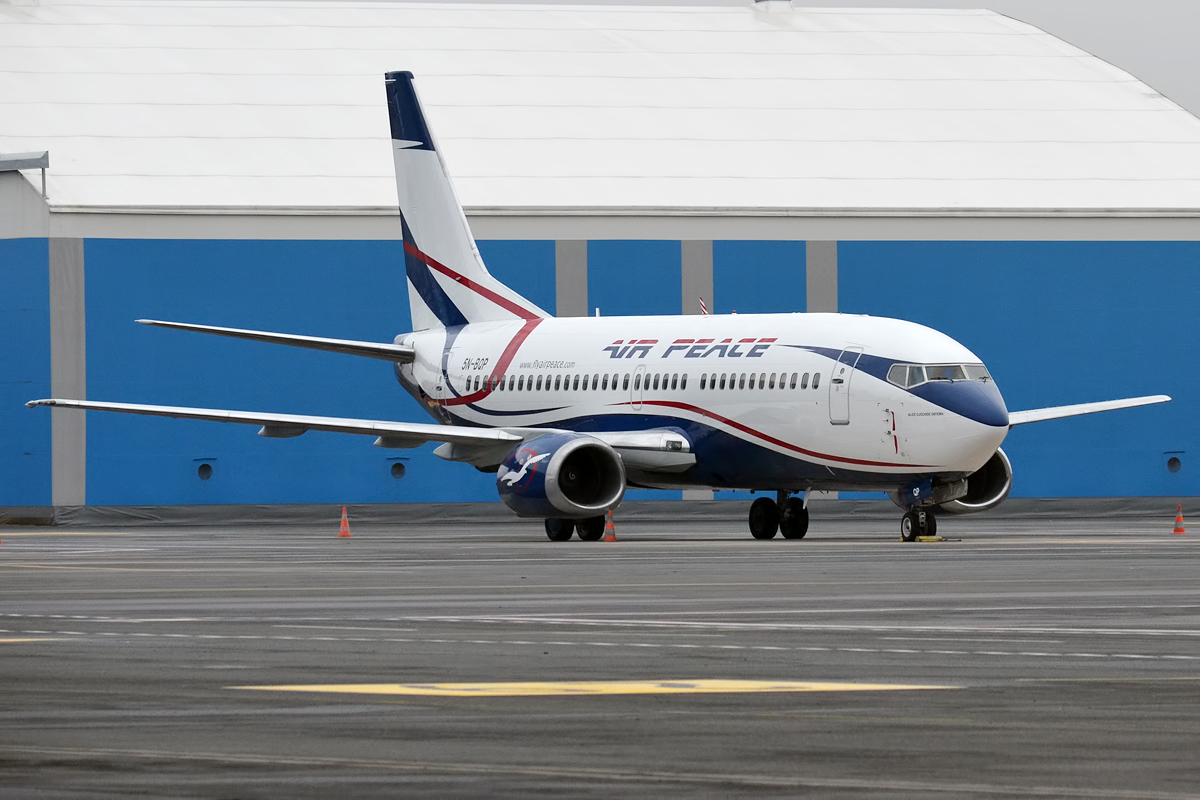
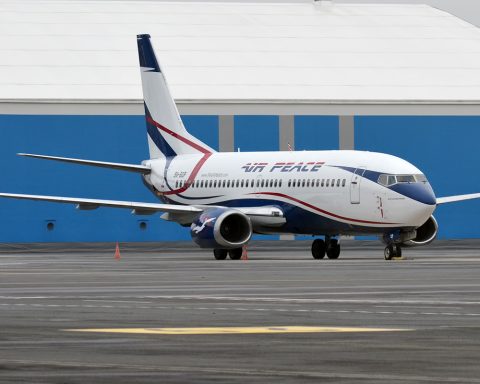
Air Peace has challenged the accuracy of Nigeria’s aviation regulator’s August flight-delay figures, saying the report understated its flight volume and failed to adequately account for external factors behind the disruptions.
Join our WhatsApp Channel
The airline said it operated 2,564 flights during the month, compared with 1,864 recorded by the Nigeria Civil Aviation Authority (NCAA), and that the discrepancy distorted its reported delay rate. An internal review, it said, found that 391 delayed flights, or about 15%, were attributable to factors within its control, while airport congestion, weather, industrial action, infrastructure constraints and other external factors accounted for the rest.
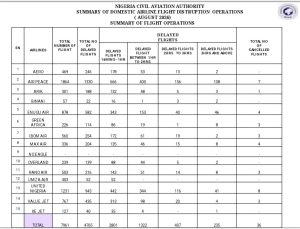
The NCAA’s published figures, however, show that Air Peace recorded 1,330 delayed flights out of 1,864 operations in August, a delay rate of 71.4%. Across the 15 domestic carriers covered by the report, 4,765 of 7,961 flights were delayed, or 59.9%, while 36 flights were cancelled.
READ ALSO :
The regulator has also acknowledged that weather conditions, flight diversions and airport restrictions can contribute to disruptions. At the same time, NCAA Director-General Chris Najomo has urged airlines to ensure their published schedules reflect the aircraft and crew available to operate them and to strengthen contingency planning and passenger communication.
In a statement signed by Chief Operating Officer Oluwatoyin Olajide, Air Peace questioned why the NCAA began its monthly reporting series with August, following publication of its first- and second-quarter reports on July 31. The airline said it had not seen equivalent monthly data for July.
Air Peace said an aviation union disruption that began on Aug. 11 affected its operations for more than two weeks, resulting in rescheduling, cancellations and further delays. The NCAA acknowledged the industrial action at the time and said it was aware of its impact on passengers and other stakeholders.
The carrier said its internal delays were mainly linked to technical problems requiring unscheduled maintenance and fuel-related issues. It attributed most of the remaining disruptions to airport congestion, infrastructure constraints, adverse weather, bird strikes, industrial action and aircraft damage caused by a ground-handling company.
Air Peace said airport congestion and traffic accounted for more than 51% of its external delays. It cited a bird strike involving its aircraft, 5N-BYG, in Abuja, saying the incident damaged the aircraft’s inlet cowl and required repairs costing about $1.8 million. The aircraft was grounded for more than a week while the component was replaced.
The airline also said adverse weather caused safety holds and diversions that disrupted flight rotations, while another aircraft was removed from service for more than 14 days after being damaged by a ground-handling company.
READ MORE :
Air Peace Apologises for Flight Disruptions, Cites Weather, Technical Issues
The carrier rejected the suggestion that it was primarily responsible for the delays, saying airlines could not prevent disruptions caused by airport congestion, infrastructure limitations, weather and other factors beyond their control.
Air Peace said it had invested in fleet capacity, crew availability, training and maintenance and would continue to address delays arising from factors within its control.
It urged the NCAA to review and audit its data-collection methods to ensure future reports accurately reflect airlines’ flight volumes, delay causes and operating conditions in the aviation sector.

Amanze Chinonye is a Staff Correspondent at Prime Business Africa, a rising star in the literary world, weaving captivating stories that transport readers to the vibrant landscapes of Nigeria and the rest of Africa. With a unique voice that blends with the newspaper's tradition and style, Chinonye's writing is a masterful exploration of the human condition, delving into themes of identity, culture, and social justice. Through her words, Chinonye paints vivid portraits of everyday African life, from the bustling markets of Nigeria's Lagos to the quiet villages of South Africa's countryside . With a keen eye for detail and a deep understanding of the complexities of Nigerian society, Chinonye's writing is both a testament to the country's rich cultural heritage and a powerful call to action for a brighter future. As a writer, Chinonye is a true storyteller, using her dexterity to educate, inspire, and uplift readers around the world.