 Amanze Chinonye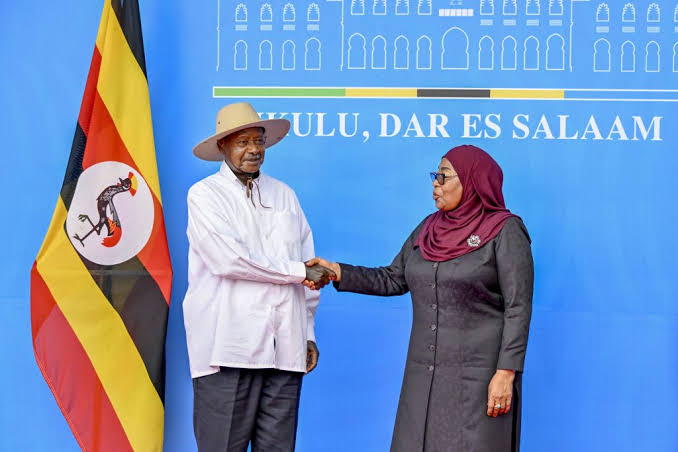
Uganda and Tanzania have signed a strategic agreement to jointly develop the Port of Tanga into a regional energy hub, marking a significant step in their efforts to deepen energy cooperation, expand petroleum infrastructure and position East Africa as a key player in the regional oil and gas value chain.
The memorandum of understanding (MoU), signed by the Uganda National Oil Company (UNOC), the Tanzania Petroleum Development Corporation (TPDC) and Vitol Bahrain E.C., is expected to strengthen cross-border energy integration, attract long-term investment and enhance fuel trade across East and Central Africa.
Join our WhatsApp ChannelREAD ALSO :
The agreement was witnessed by Tanzanian President Samia Suluhu Hassan and Ugandan President Yoweri Museveni at the State House in Dar es Salaam during Museveni’s working visit to Tanzania on Thursday.
According to Tanzania’s Directorate of Presidential Communications, the partnership seeks to leverage Tanga’s strategic location on the Indian Ocean and its existing energy transport infrastructure to transform the port city into a regional hub for petroleum storage, logistics, trading and distribution.
Tanzania’s Minister of Energy, Deogratius Ndejembi, said the initiative would position Tanga as a strategic gateway for regional energy commerce, capitalising on the country’s expanding infrastructure to attract fresh investment and support economic growth.
The project builds on the East African Crude Oil Pipeline (EACOP), the 1,443-kilometre pipeline that will transport crude oil from Uganda’s Albertine Graben oilfields to the Port of Tanga for export. While the pipeline provides Uganda with its first dedicated crude export route, the proposed energy hub is expected to broaden the corridor’s commercial value by supporting petroleum storage, fuel trading, marine services and distribution.
For Uganda, the agreement strengthens the commercial framework underpinning its emerging oil industry as the country prepares to begin commercial production. By expanding downstream infrastructure alongside export facilities, Uganda is expected to improve market access, reduce logistics costs and capture greater value from its petroleum resources.
For Tanzania, the project reinforces its ambition to become East Africa’s leading energy and logistics gateway. Hosting both the EACOP export terminal and the proposed energy hub is expected to increase port activity, stimulate infrastructure investment, create jobs and generate sustained revenue from petroleum logistics and related services.
The participation of Vitol Bahrain, part of one of the world’s largest independent energy trading groups, is expected to bring international expertise in energy trading, logistics and infrastructure development while boosting investor confidence in the region’s energy sector.
READ MORE :
Dangote Backs Museveni’s Mineral Policy, Eyes East Africa Refinery Project
Beyond its immediate commercial benefits, the agreement is expected to strengthen regional energy security by expanding fuel storage capacity, improving distribution networks and facilitating cross-border petroleum trade. It also aligns with the East African Community’s broader objective of promoting economic integration through shared strategic infrastructure.
Over time, the Tanga Regional Energy Hub is expected to evolve into a major commercial centre linking oil producers, fuel suppliers, traders and consumers across East and Central Africa.
For Uganda and Tanzania, the partnership represents a long-term investment in energy security, trade competitiveness and economic diversification, while creating new opportunities to generate higher-value returns from the region’s growing petroleum industry.

Amanze Chinonye is a Staff Correspondent at Prime Business Africa, a rising star in the literary world, weaving captivating stories that transport readers to the vibrant landscapes of Nigeria and the rest of Africa. With a unique voice that blends with the newspaper's tradition and style, Chinonye's writing is a masterful exploration of the human condition, delving into themes of identity, culture, and social justice. Through her words, Chinonye paints vivid portraits of everyday African life, from the bustling markets of Nigeria's Lagos to the quiet villages of South Africa's countryside . With a keen eye for detail and a deep understanding of the complexities of Nigerian society, Chinonye's writing is both a testament to the country's rich cultural heritage and a powerful call to action for a brighter future. As a writer, Chinonye is a true storyteller, using her dexterity to educate, inspire, and uplift readers around the world.