 Amanze Chinonye
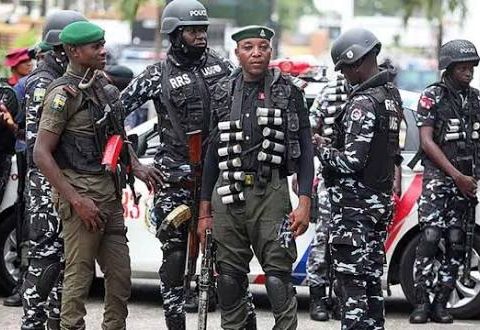
Kaduna State Governor, Senator Uba Sani, has renewed calls for the establishment of state police, arguing that Nigeria cannot effectively tackle its security challenges under the current centralised policing structure.
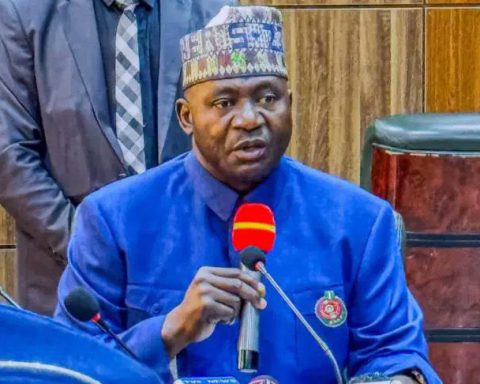
Speaking on Channels Television’s Politics Today programme hours after the Senate passed constitutional amendments to establish state police, Sani described the reform as a necessary step towards strengthening security, improving accountability and addressing the country’s growing insecurity.
READ ALSO :
Join our WhatsApp ChannelSenate Begins Clause-by-Clause Voting on State Police Constitutional Amendment
According to the governor, continued delays in implementing state policing are costing lives across the country.
“Any day we delay state police, we continue to lose lives,” Sani said, adding that federal systems around the world operate with both national and subnational policing structures.
“I can’t remember any true federalist country without both state and federal police forces,” he stated.
His comments came shortly after the Senate approved constitutional amendments that could pave the way for state-controlled police services, marking a significant shift in Nigeria’s security framework.
Addressing concerns that state police could be used by governors to target political opponents, Sani said the proposed constitutional framework contains safeguards to prevent abuse.
“There are a lot of safeguards to prevent governors from abusing it against political opponents,” he said.
The governor also questioned the capacity of Nigeria’s existing security architecture to adequately protect a population of over 200 million people, arguing that the current number of police and military personnel is insufficient to meet the country’s security demands.
“Anyone in Nigeria who tells you that the number of police and military personnel is enough to govern this country is either being mischievous or insincere,” he said.
Sani further highlighted the limitations of vigilante groups established by many states to complement conventional security agencies. He noted that despite their local knowledge and proximity to communities, constitutional restrictions prevent them from carrying arms, thereby limiting their effectiveness against heavily armed criminal groups.
“Many states have established vigilante services, but do you know why they are not effective? It is because the Constitution prohibits them from holding arms. When they are sent to protect the lives and property of the people, it is like sending them to a death sentence,” he said.
The governor argued that state police would not only strengthen security operations but also make governors more accountable for safety within their jurisdictions.
“The reason I have always called for state police is so that governors can be held accountable for whatever happens in their states. But you also need to empower them constitutionally to be able to do that,” he said.
READ MORE :
Governors, Gbajabiamila Observe Senate Vote on State Police Bill
On the issue of banditry, Sani maintained a hardline position, describing armed groups responsible for attacks on communities as terrorists who should be decisively confronted.
Responding to a question on whether bandits deserve a second chance, the governor said their actions had stripped them of any claim to leniency.
“I don’t believe they deserve a second chance because, in my opinion, they are terrorists. When you call them terrorists, it means they are people who have killed innocent citizens,” he said.
Sani’s intervention adds momentum to the growing national conversation on state policing following the Senate’s approval of the constitutional amendments. The development is widely seen as a potential turning point in Nigeria’s approach to security, with proponents arguing that decentralised policing could improve intelligence gathering, accelerate response to threats and enhance accountability at the state level.
Should the amendments secure the required approvals in the remaining stages of the constitutional review process, Nigeria could be on course for one of the most significant security reforms since the return to democratic rule in 1999.

Amanze Chinonye is a Staff Correspondent at Prime Business Africa, a rising star in the literary world, weaving captivating stories that transport readers to the vibrant landscapes of Nigeria and the rest of Africa. With a unique voice that blends with the newspaper's tradition and style, Chinonye's writing is a masterful exploration of the human condition, delving into themes of identity, culture, and social justice. Through her words, Chinonye paints vivid portraits of everyday African life, from the bustling markets of Nigeria's Lagos to the quiet villages of South Africa's countryside . With a keen eye for detail and a deep understanding of the complexities of Nigerian society, Chinonye's writing is both a testament to the country's rich cultural heritage and a powerful call to action for a brighter future. As a writer, Chinonye is a true storyteller, using her dexterity to educate, inspire, and uplift readers around the world.