 Amanze Chinonye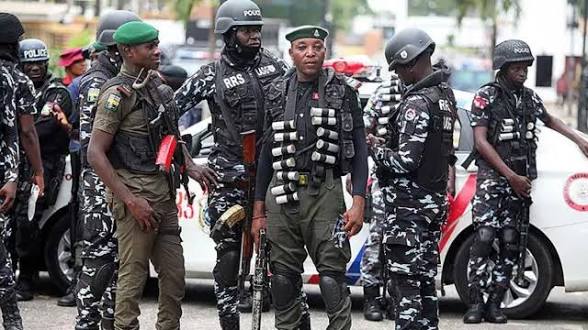
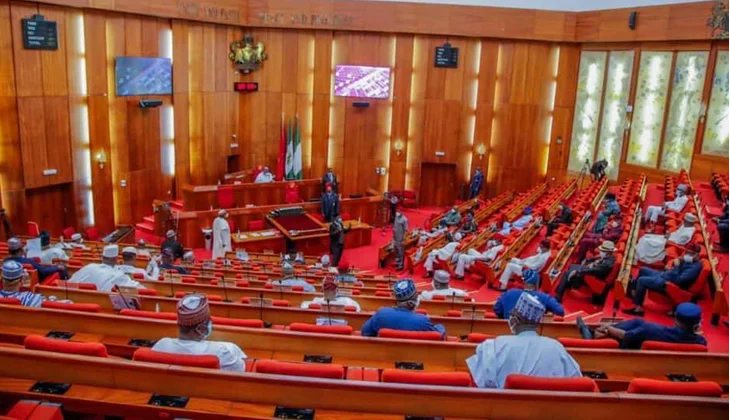
Several state governors and top government officials were present at the Senate on Wednesday as lawmakers commenced voting on the proposed State Police Bill, a key constitutional amendment aimed at overhauling Nigeria’s security architecture, Prime Business Africa reports.
Among those in attendance were the Governor of Kaduna State, Senator Uba Sani; the Governor of Ogun State, Prince Dapo Abiodun; the Governor of Ondo State, Lucky Aiyedatiwa; and the Chief of Staff to President Bola Tinubu, Femi Gbajabiamila.
Their presence underscored the significance of the legislation, which seeks to decentralise policing by allowing states to establish and operate their own police forces alongside the Nigeria Police Force.
Join our WhatsApp ChannelREAD ALSO :
House Passes State Police Bill as Constitutional Reform Process Gains Momentum
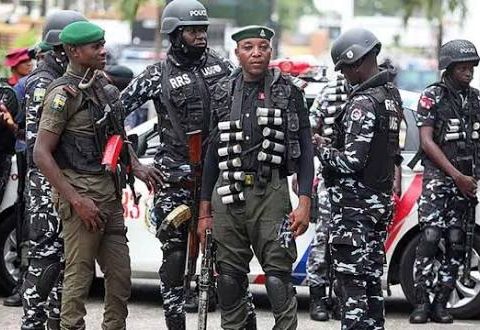
The bill is widely regarded as one of the most consequential security reforms under consideration by the National Assembly, coming amid persistent concerns over banditry, kidnapping, terrorism, and other violent crimes across the country.
Supporters of the proposal argue that state police will strengthen grassroots intelligence gathering, improve response times to security threats, and enhance community-based policing. Critics, however, have expressed concerns about potential political abuse by state governments.
READ MORE :
Nigeria Moves Closer to State Police as Presidency Signals Imminent Constitutional Amendment
The Senate’s vote marks a critical stage in the constitutional amendment process and could determine the future of a long-standing demand for the restructuring of Nigeria’s policing system.
If eventually approved and ratified, the legislation would pave the way for one of the most far-reaching changes to law enforcement in Nigeria since the country’s return to democratic rule in 1999.

Amanze Chinonye is a Staff Correspondent at Prime Business Africa, a rising star in the literary world, weaving captivating stories that transport readers to the vibrant landscapes of Nigeria and the rest of Africa. With a unique voice that blends with the newspaper's tradition and style, Chinonye's writing is a masterful exploration of the human condition, delving into themes of identity, culture, and social justice. Through her words, Chinonye paints vivid portraits of everyday African life, from the bustling markets of Nigeria's Lagos to the quiet villages of South Africa's countryside . With a keen eye for detail and a deep understanding of the complexities of Nigerian society, Chinonye's writing is both a testament to the country's rich cultural heritage and a powerful call to action for a brighter future. As a writer, Chinonye is a true storyteller, using her dexterity to educate, inspire, and uplift readers around the world.