 Amanze Chinonye
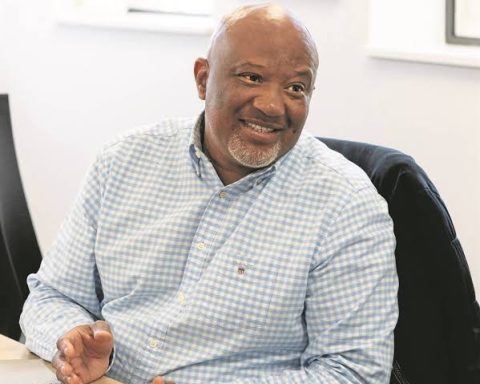
Libya needs between $30 billion and $40 billion in investment to develop its oil and gas resources and raise crude production to 2 million barrels per day by 2030, National Oil Corporation (NOC) Chairman Masoud Suleman said, Prime Business Africa reports.
Libya, which has Africa’s largest proven oil reserves, currently produces about 1.4 million bpd and has more than 60 discovered oil and gas fields that remain undeveloped, Suleman told the Financial Times.
Join our WhatsApp Channel“We have a lot of untapped resources. We need significant funds, between $30bn and $40bn,” Suleman said.
He described the 2 million bpd target as ambitious but realistic, while warning that a shortage of capital was delaying the development of new projects.
READ ALSO :
Nigeria Needs 17% Annual GDP Growth Rate To Achieve $1trn Economy 2030 – Expert
International energy companies including Eni, TotalEnergies, Chevron and ConocoPhillips have interests in Libya, but investment has been constrained by political instability, governance and corruption concerns, security risks and funding shortages at the state-owned NOC.
Libya has remained divided between rival authorities in the east and west since the 2011 uprising that toppled Muammar Gaddafi. Armed groups continue to wield significant influence in parts of the country, adding to the risks facing investors.
Recent attacks on energy infrastructure have underscored those concerns. Drone strikes this month targeted the Zawiya oil complex in western Libya, setting fire to a gasoline storage tank and damaging other parts of the facility. A nearby power station was also attacked.
Suleman said the attacks were confined to a limited area and did not pose an immediate threat to major oil and gas investment projects. He said the investment sites were located away from areas of tension and were protected by security measures.
The NOC is also considering changes to its agreements with international oil companies to ease its financing burden.
Under existing production-sharing agreements, the NOC is required to finance its share of development costs. Delays in securing funds have slowed some projects, Suleman said.
“We are thinking [of changing] the business model between NOC and our international partners. We are suffering from [a] lack of funds, and this is delaying our development projects dramatically,” he said, according to the Financial Times.
The NOC is considering a return to concession-style agreements, under which international investors would assume a greater share of upfront development costs. The proposed changes are intended to attract capital while reducing the immediate financial burden on the state oil company.
Libya has already stepped up efforts to attract foreign investment into its upstream sector, awarding exploration blocks to major energy companies including Chevron, Eni, QatarEnergy and Repsol in its first licensing round since 2007.
The country is also seeking to address other structural problems affecting the sector, including fuel smuggling and the financial pressure created by heavily subsidised domestic fuel prices. The NOC has called for greater transparency and changes to its commercial arrangements with international partners.
Libya’s production ambitions are also coinciding with growing links between African oil producers and refiners.
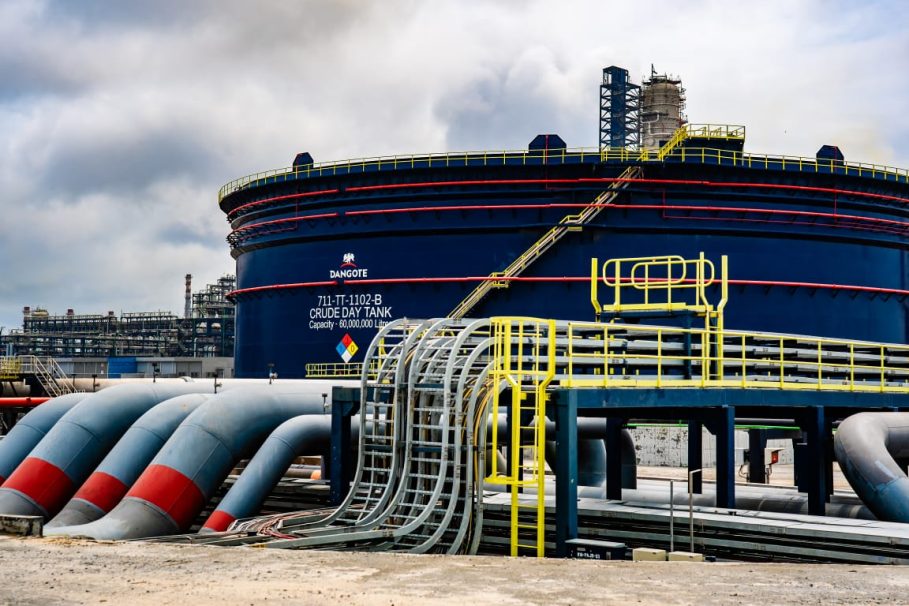
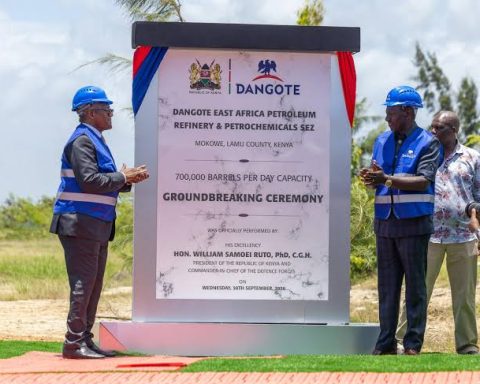
Nigeria’s 650,000 bpd Dangote refinery sourced up to 65,000 bpd of Libyan crude in May, according to Kpler data cited by Reuters. The refinery has been diversifying its crude supply as domestic deliveries have not consistently met its requirements.
READ MORE :
Nigeria Bids To Host 2030 Commonwealth Games Amid Worry Over Economy
The development highlights the potential for greater intra-African energy trade, with Libya supplying crude to a major Nigerian refinery while Nigeria seeks to expand its domestic refining capacity.
However, reaching 2 million bpd by 2030 will depend on Libya’s ability to secure sustained investment and overcome political, security and financing constraints.
For the NOC, attracting the proposed $30 billion to $40 billion would provide funding to develop the country’s undeveloped fields and expand production. For investors, the size of Libya’s reserves offers significant opportunities, but persistent political fragmentation, security risks and weak infrastructure remain important obstacles.
Libya’s ability to convert its substantial oil reserves into higher and more reliable production will therefore depend not only on attracting capital, but also on creating the political and security conditions needed to support long-term investment.

Amanze Chinonye is a Staff Correspondent at Prime Business Africa, a rising star in the literary world, weaving captivating stories that transport readers to the vibrant landscapes of Nigeria and the rest of Africa. With a unique voice that blends with the newspaper's tradition and style, Chinonye's writing is a masterful exploration of the human condition, delving into themes of identity, culture, and social justice. Through her words, Chinonye paints vivid portraits of everyday African life, from the bustling markets of Nigeria's Lagos to the quiet villages of South Africa's countryside . With a keen eye for detail and a deep understanding of the complexities of Nigerian society, Chinonye's writing is both a testament to the country's rich cultural heritage and a powerful call to action for a brighter future. As a writer, Chinonye is a true storyteller, using her dexterity to educate, inspire, and uplift readers around the world.