Amanze Chinonye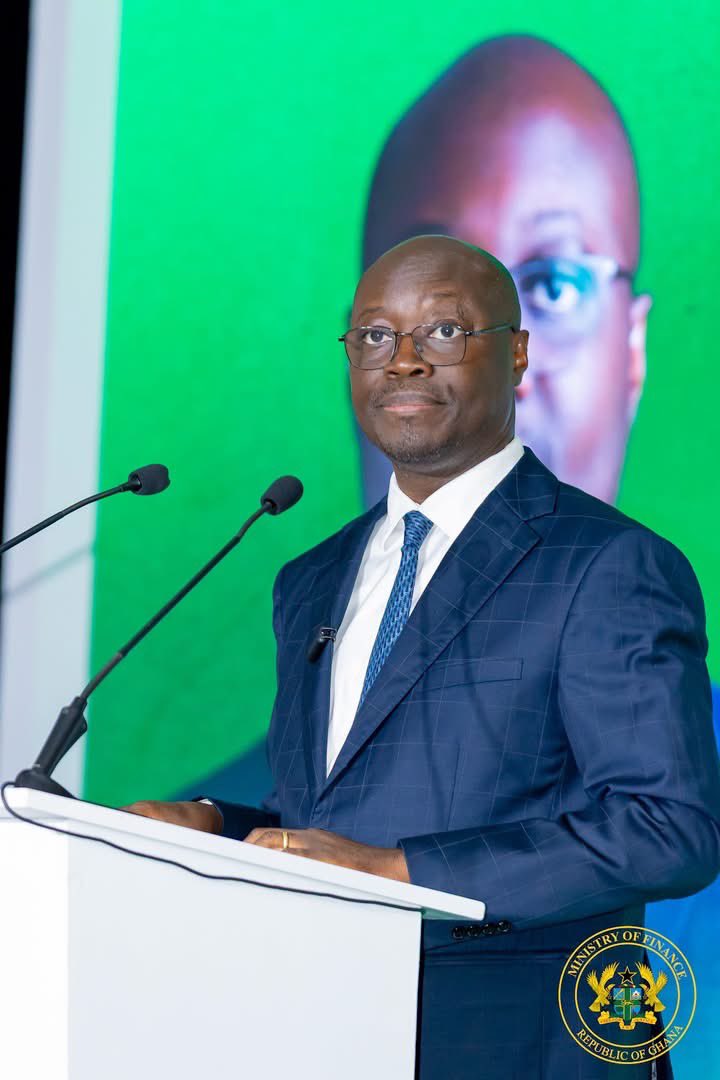
Ghana must use recent economic stability to accelerate industrialisation and break its long-standing cycle of exporting raw materials and importing higher-value finished products, Finance Minister Cassiel Ato Forson said.
Join our WhatsApp Channel
Forson said Ghana risked repeating the pattern with critical minerals needed for the global energy transition by exporting the resources and later importing batteries manufactured from them.
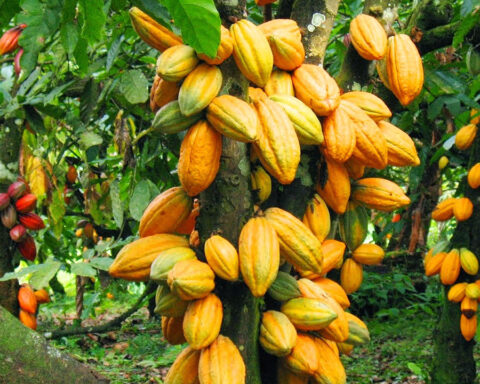
“We export cocoa and import chocolate. We export bauxite and import aluminium products. Now we risk exporting critical minerals only to import batteries,” Forson said on Wednesday at the Future of Energy Conference 2026 in Accra.
His comments underscore the government’s push to increase domestic value addition and translate improved macroeconomic conditions into stronger industrial growth.
READ ALSO :
Forson said inflation had fallen from 23.8% at the end of 2024 to 4.6% in July 2026, while the economy grew 6% in 2025 and 6.4% in the first quarter of 2026.
He said external buffers had strengthened and interest rates had declined, creating conditions for deeper structural transformation.
But the minister cautioned against treating macroeconomic stability as an end in itself.
“Stability is obviously not the destination. It is the launch pad for transformation,” he said.
The government has already taken steps to increase domestic cocoa processing, with at least 50% of cocoa beans to be processed locally from the 2026/27 crop season under reforms announced by the Ghana Cocoa Board. The government has also identified the state-owned Cocoa Processing Company for revival.
READ MORE :
Textile Import Ban Could Cost Millions of Jobs, Hurt Economy, CPPE Warns Senate
For Ghana, the challenge is to convert its agricultural and mineral resources into higher-value products, allowing the country to retain more of the economic benefits through processing, manufacturing, technology development and job creation.
The strategy will depend on access to financing, infrastructure and technology, as well as the ability of local producers to compete in global markets.
Ghana’s push reflects a broader effort across Africa to move beyond the export of unprocessed commodities and capture a larger share of the value generated from the continent’s natural resources.

Amanze Chinonye is a Staff Correspondent at Prime Business Africa, a rising star in the literary world, weaving captivating stories that transport readers to the vibrant landscapes of Nigeria and the rest of Africa. With a unique voice that blends with the newspaper's tradition and style, Chinonye's writing is a masterful exploration of the human condition, delving into themes of identity, culture, and social justice. Through her words, Chinonye paints vivid portraits of everyday African life, from the bustling markets of Nigeria's Lagos to the quiet villages of South Africa's countryside . With a keen eye for detail and a deep understanding of the complexities of Nigerian society, Chinonye's writing is both a testament to the country's rich cultural heritage and a powerful call to action for a brighter future. As a writer, Chinonye is a true storyteller, using her dexterity to educate, inspire, and uplift readers around the world.