Amanze Chinonye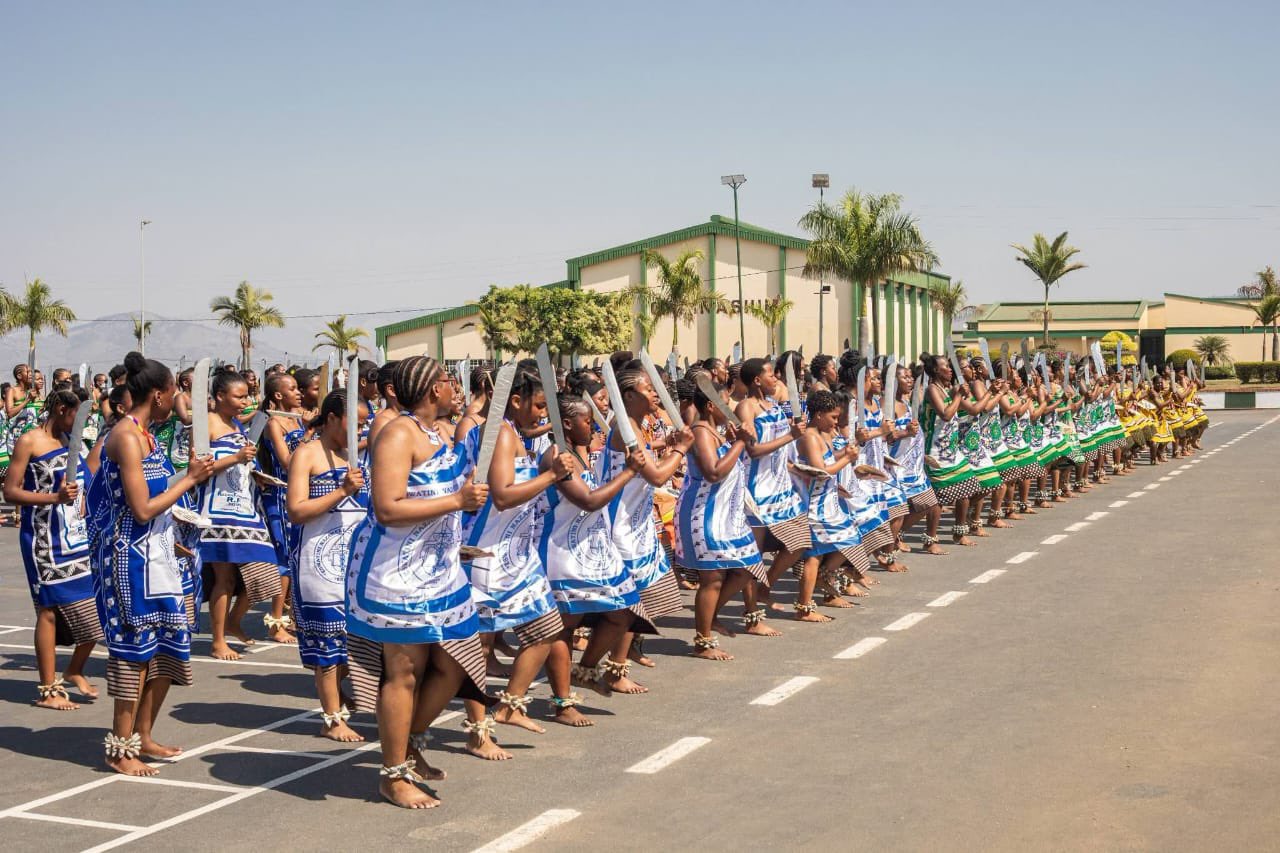
Thousands of young women from across Eswatini are taking part in the annual Umhlanga Reed Dance, one of the kingdom’s most prominent cultural ceremonies.
Join our WhatsApp Channel
Known as Imbali, the participating maidens gather at the Ludzidzini Royal Residence before travelling to designated areas to cut reeds. They later return to present the reeds to the Queen Mother, known as the Indlovukazi, ahead of the main dancing ceremony.
READ ALSO :
Gerewol Festival: Where Wodaabe Beauty, Courtship and Culture Meet in Niger
The 2026 programme runs from Aug. 25 to Aug. 31, with each day forming part of a sequence of traditional activities that culminates in the main ceremony.
Day 1: Arrival and registration
The ceremony began on Aug. 25 with the arrival and registration of the maidens at Ludzidzini.
Participants travelled from chiefdoms across Eswatini, with arrangements made for their transportation, accommodation and welfare during the gathering.
Registration marked the formal start of the ceremony and prepared participants for the activities that followed.
Day 2 : Commissioning and departure
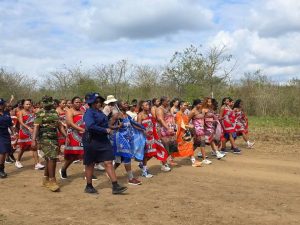
On Aug. 26, the maidens were commissioned for the reed-cutting exercise and left Ludzidzini for designated harvesting areas.
The participants were organised into groups and assigned to different locations, beginning the stage of the ceremony centred on the collection of reeds.
The harvested reeds would later be returned to the royal residence for presentation to the Queen Mother.
Day 3 : Reed cutting
Aug. 27 was dedicated to reed cutting.
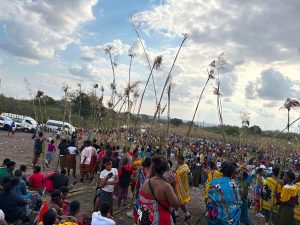
At Mpisi Farm, Princess Sakhizwe, the Imbali Regiment Leader, led thousands of maidens in the harvesting exercise. She cut the first reed before the other participants followed.
The maidens gathered and prepared the reeds for the return journey, with traditional songs and dances accompanying the activity.
Reed cutting is central to Umhlanga. The harvested reeds are taken to the royal residence and presented to the Queen Mother as part of the traditional ceremony.
Day 4 : The return journey
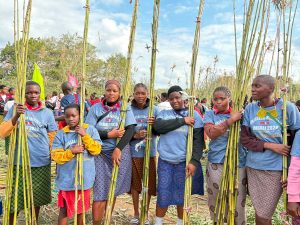
On Aug. 28, participants began returning from the reed-cutting areas with the reeds they had collected.
The large procession required coordination among community organisers, transport operators and security personnel. The movement of participants also affected traffic along some routes.
The return marked another stage of the ceremony, bringing the maidens and their harvested reeds back towards Ludzidzini.
Day 5 : Rest, education and preparation
Aug. 29 provides time for rest and preparation following several days of travel and physical activity.
Educational and cultural sessions were also held for the participants, covering issues including personal values, health, education, the SiSwati language and cultural heritage.
The sessions added an educational element to the traditional programme, allowing government officials, educators and community representatives to engage with the young women participating in the ceremony.
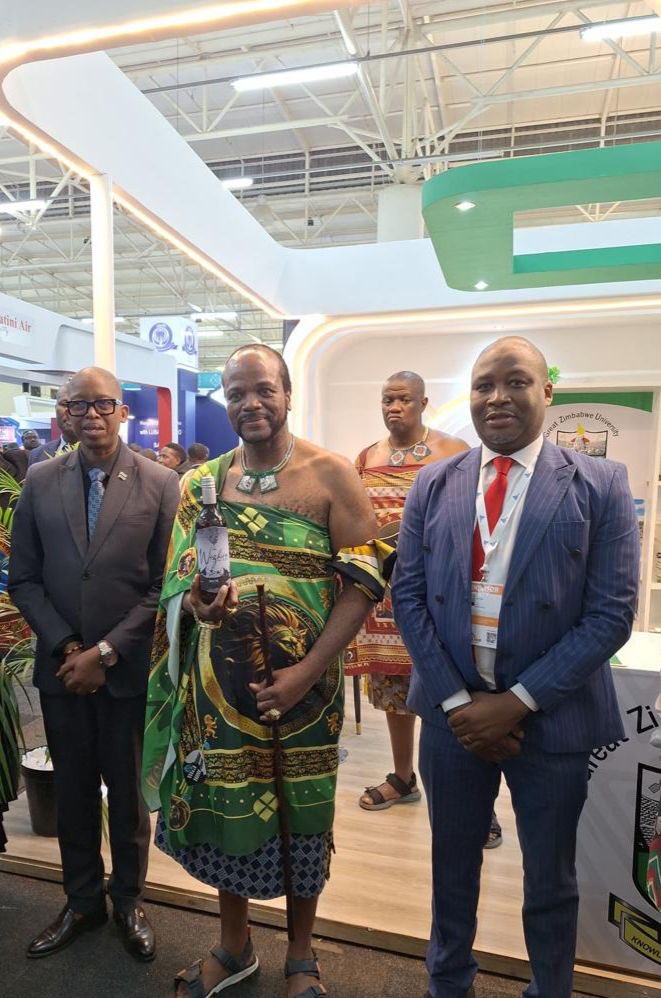
King Mswati III also praised the participation of the maidens and the communities involved in preparing them for the annual event.
The gathering has an economic dimension, with traders, transport operators, accommodation providers and other businesses serving participants and visitors during the ceremony.
Day 6 : Presentation of the reeds
Sunday, Aug. 30, is the sixth day of the programme and focuses on the presentation of the reeds.
After travelling to the harvesting areas and returning with their bundles, the maidens present the reeds at the royal residence.
The presentation forms an important part of the traditional sequence and precedes the main dancing ceremony.
By this stage, participants have completed the principal activities associated with collecting the reeds and are preparing for the final public ceremony.
READ MORE :
Ka’el Festival: The Ethiopian Tradition Requiring Men to Gain Weight for Community Prestige
Day 7 : Main dancing ceremony
Monday, Aug. 31, marks the main day of the 2026 Umhlanga Reed Dance.
The maidens will gather at Ludzidzini in traditional attire for the main dancing ceremony, attended by King Mswati III, members of the royal family, officials and spectators.
The day has been declared a public holiday in Eswatini.
The main ceremony brings together the different groups that have participated in the preceding activities, with traditional singing, dancing and dress forming the centre of the public celebration.
A Tradition Carried Forward
Umhlanga is more than the final day of dancing. Its week-long programme combines community participation, reed harvesting, traditional performances, education and the presentation of the reeds to the Queen Mother.
The ceremony provides young women with an opportunity to participate in established Swati cultural practices while bringing communities from across Eswatini together at Ludzidzini.
It is also an important part of the country’s cultural and tourism calendar, attracting visitors and increasing activity for businesses providing transport, accommodation, food and other services.
The scale of the gathering is significant. Eswatini’s official tourism authority says the ceremony can attract as many as 40,000 participants.
From the arrival of the maidens on the first day to the main dancing on the seventh, the 2026 Umhlanga follows a structured sequence that places Swati cultural practices at the centre of an annual national gathering.
At Ludzidzini on Monday, the ceremony will reach its main public stage, bringing together thousands of participants who have spent the preceding days collecting reeds, travelling between communities, attending educational activities and preparing for the final celebration.

Amanze Chinonye is a Staff Correspondent at Prime Business Africa, a rising star in the literary world, weaving captivating stories that transport readers to the vibrant landscapes of Nigeria and the rest of Africa. With a unique voice that blends with the newspaper's tradition and style, Chinonye's writing is a masterful exploration of the human condition, delving into themes of identity, culture, and social justice. Through her words, Chinonye paints vivid portraits of everyday African life, from the bustling markets of Nigeria's Lagos to the quiet villages of South Africa's countryside . With a keen eye for detail and a deep understanding of the complexities of Nigerian society, Chinonye's writing is both a testament to the country's rich cultural heritage and a powerful call to action for a brighter future. As a writer, Chinonye is a true storyteller, using her dexterity to educate, inspire, and uplift readers around the world.