John Adoyi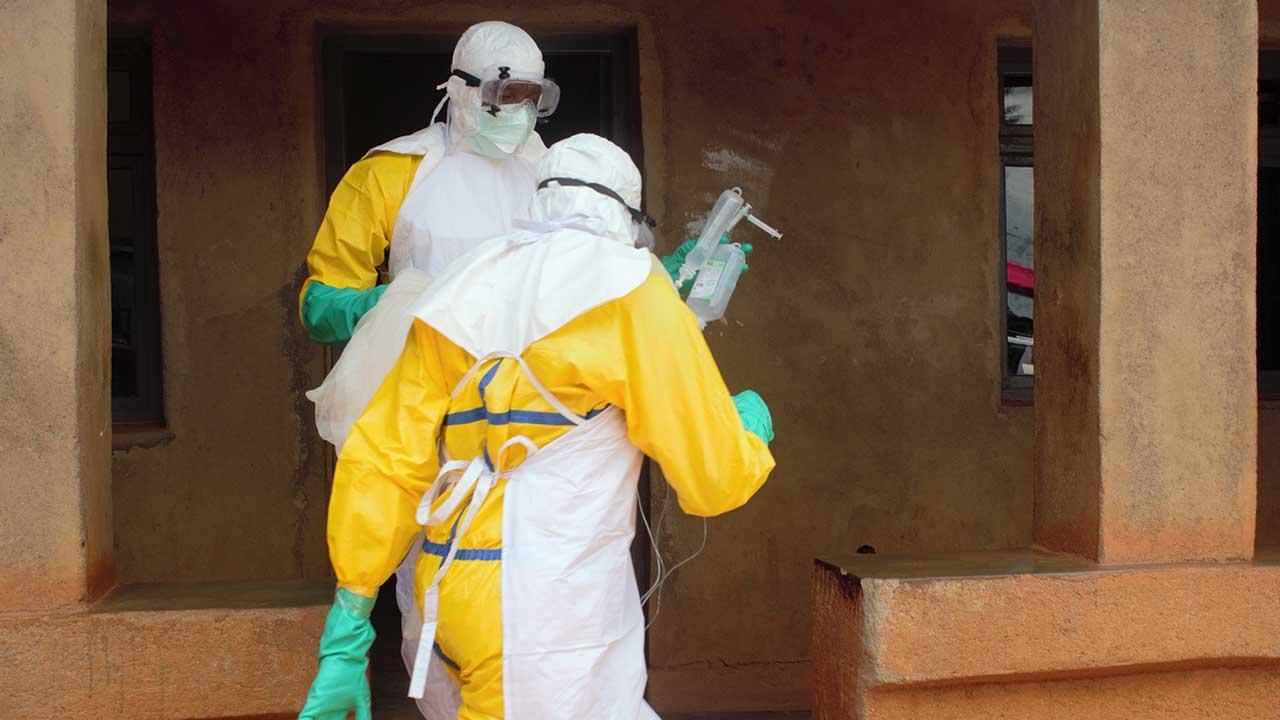
The Democratic Republic of Congo (DRC) has declared a new outbreak of Ebola virus disease after 15 people died in southern Kasai Province, health officials
confirmed on Friday. This marks the country’s 16th Ebola outbreak since the virus was first discovered there in 1976.
The outbreak was first detected in late August after a 34-year-old pregnant woman was admitted to a hospital in the Bulape Health Zone with fever, vomiting,
and bleeding. She died five days later. Since then, 28 suspected cases have been identified, including four deaths among healthcare workers, raising alarm
about the risks to frontline responders. Laboratory tests confirmed the presence of the Zaire strain, the most lethal form of the virus.
Attention: Follow Primebusiness.africa on WhatsApp for hot trending topics in Africa.
“This is a serious public health threat, but we have the tools to stop it if we act quickly,” Congo’s health minister, Samuel-Roger Kamba, said in a statement.
Kasai Province is already grappling with conflict and limited healthcare access, raising concerns that the virus could spread undetected. Experts warn
that weakened international health systems—partly due to cuts in foreign aid and shifting global health priorities—could hinder containment efforts. Dr.
Matshidiso Moeti, the World Health Organization’s Regional Director for Africa, stressed the importance of community engagement in the response. “Community
trust is essential,” Moeti said. “Misinformation and fear have fueled past outbreaks, sometimes leading to attacks on health workers. This time, we are
working closely with village leaders and local groups to promote early reporting of cases and safe burial practices.”
The World Health Organization has already deployed rapid response teams, mobile laboratories, and protective equipment to Kasai. Congo has also readied
2,000 doses of the Ervebo vaccine, which will be used to immunize health workers and contacts of confirmed cases through a ring vaccination strategy designed
to contain the spread.
Ebola has plagued Congo for nearly five decades. The virus was first identified in 1976 near the Ebola River in what is now Equateur Province, in an outbreak
that killed 280 of 318 people. Since then, the country has suffered repeated flare-ups, the worst of which was the 2018–2020 epidemic in the eastern Kivu
region that infected 3,480 people and killed 2,280. Smaller outbreaks have also occurred, including one in Equateur Province in 2022, which was declared
over in July of that year after claiming six lives.
Globally, the deadliest Ebola crisis unfolded between 2013 and 2016 in West Africa, when more than 11,300 people died across Guinea, Liberia, and Sierra
Leone. Before that, the disease was largely contained to Central Africa, with the World Health Organization estimating 2,387 confirmed cases and 1,590
deaths worldwide between the virus’s discovery and 2013.
The current outbreak involves the Zaire strain, which can be prevented using the Ervebo vaccine developed by Merck. During clinical trials and emergency
use, the vaccine demonstrated near-total effectiveness when administered quickly. A landmark 2016 study in Guinea found that none of the 5,837 vaccinated
individuals contracted Ebola more than 10 days after vaccination, while 23 cases occurred among unvaccinated groups. During Congo’s 2018–2020 outbreak,
the vaccine helped significantly reduce transmission when combined with rapid isolation of cases and extensive contact tracing.
While there is no definitive cure for Ebola, treatments such as monoclonal antibody therapies and antiviral drugs like remdesivir have improved survival
rates dramatically, with some studies showing success rates as high as 97.5 percent when given early in the course of infection.
Health authorities and international partners are racing to contain the new outbreak. The World Health Organization has classified the risk as high nationally,
moderate regionally, and low globally. Teams are tracking contacts, isolating suspected cases, and training local health workers on safe practices. However,
the response faces significant challenges. Ongoing conflict in Kasai has displaced thousands, making it difficult to trace cases and deliver care. At the
same time, global health experts warn that reduced funding for epidemic response, particularly after recent cuts to international aid programs, could hamper
containment efforts.
“Ebola is a formidable enemy, but with vaccines, treatments, and coordinated action, we can prevent another disaster,” Minister Kamba said.
The last Ebola outbreak in Congo ended in July 2022, just three years ago. This latest resurgence is a stark reminder of how persistent and unpredictable
the virus remains, underscoring the urgent need for sustained investment in public health systems to prevent future crises.