Amanze Chinonye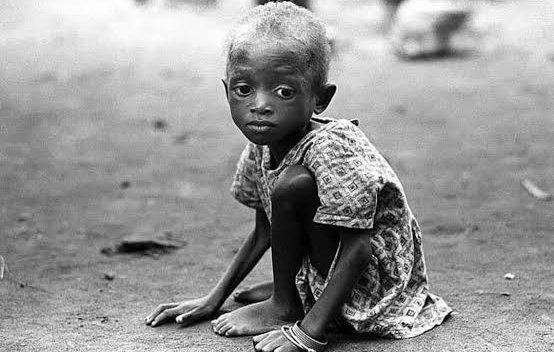
Fifty-nine years after the declaration of the Republic of Biafra, millions of Igbos across Nigeria and the diaspora on Saturday paused to honour the memories of those who died during the Nigerian Civil War.
Observed annually as Biafra Heroes Remembrance Day, the occasion serves as a solemn tribute to the men, women and children who perished during the 1967–1970 conflict, while also celebrating the resilience, survival and enduring spirit of a people whose history remains deeply shaped by the war.
The commemoration also provides an opportunity to reflect on one of Africa’s most devastating post-independence conflicts.
Join our WhatsApp ChannelREAD ALSO :
No Victor, No Vanquished? Gowon’s Memoir Reopens Biafra’s Bloody Ledger
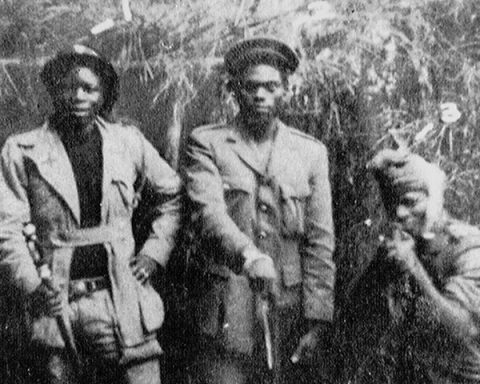
The Nigerian Civil War followed the secession of Nigeria’s Eastern Region and the declaration of the Republic of Biafra on May 30, 1967, by Chukwuemeka Odumegwu Ojukwu.
Although estimates vary, historians and humanitarian organisations generally place the death toll between 500,000 and three million people, with a significant number of casualties attributed to starvation and disease resulting from wartime conditions and the federal blockade imposed on the secessionist territory.
Across the South-East and in various diaspora communities around the world, supporters marked the day through memorial services, prayers, lectures and public discussions aimed at preserving the memory of those who perished during the conflict. Events were reported in cities including London and Washington, D.C., where members of the Igbo diaspora gathered to honour the victims and reflect on the lessons of the war.
Groups advocating Biafran self-determination, including the Indigenous People of Biafra (IPOB) and the Movement for the Actualisation of the Sovereign State of Biafra (MASSOB), encouraged supporters to observe the occasion through sit-at-home activities, church services and other remembrance events. Social media platforms were also flooded with messages bearing hashtags such as #BiafraHeroesDay as participants paid tribute to those who lost their lives during the conflict.
For many Igbo families, the annual remembrance extends beyond politics, representing a deeply personal moment to honour relatives and communities affected by the war. Survivors and descendants continue to recount stories of displacement, hunger, loss and resilience, ensuring that memories of the conflict remain part of the region’s collective history.
The observance, however, remains a subject of controversy. Nigerian authorities have consistently opposed separatist commemorations, maintaining that the country’s unity is non-negotiable. Security agencies have often warned against activities perceived as capable of undermining national cohesion while emphasising official national remembrance events as appropriate avenues for honouring victims of past conflicts.
READ MORE :
Despite those tensions, reports from parts of the South-East indicated varying levels of compliance with sit-at-home calls on Saturday. Commercial activities were reduced in some areas, while other locations witnessed normal movement.
For many observers, Biafra Heroes Remembrance Day is not only about recalling a painful chapter of history but also about celebrating the resilience of the Igbo people.
Across generations, the community has often been described as resilient, undeterred and courageous qualities supporters say have enabled it to rebuild and thrive despite the devastation of war.
A popular sentiment frequently echoed during commemorations holds that the Igbo spirit cannot be extinguished. Admirers describe the Igbo as “the souls from the rising sun” who refuse to succumb to adversity. As the saying goes, “when you discard them, they germinate and multiply.” To many, the expression symbolises the enduring determination, enterprise and capacity for renewal that have become synonymous with the Igbo people despite decades of hardship and displacement.
As families, communities and diaspora groups gathered to honour the memories of those lost during the Nigerian Civil War, a common message resonated throughout the commemorations: the sacrifices of the past must not be forgotten. Nearly six decades after Biafra’s declaration of independence, the call to remember the fallen continues to unite many who believe that preserving the lessons of history is essential to securing a more just and peaceful future.
Ozoemena – “We cannot forget” remained a recurring refrain throughout the day’s events, reflecting a collective determination to keep alive the memory of those who died and to ensure that their stories endure for future generations.

Amanze Chinonye is a Staff Correspondent at Prime Business Africa, a rising star in the literary world, weaving captivating stories that transport readers to the vibrant landscapes of Nigeria and the rest of Africa. With a unique voice that blends with the newspaper's tradition and style, Chinonye's writing is a masterful exploration of the human condition, delving into themes of identity, culture, and social justice. Through her words, Chinonye paints vivid portraits of everyday African life, from the bustling markets of Nigeria's Lagos to the quiet villages of South Africa's countryside . With a keen eye for detail and a deep understanding of the complexities of Nigerian society, Chinonye's writing is both a testament to the country's rich cultural heritage and a powerful call to action for a brighter future. As a writer, Chinonye is a true storyteller, using her dexterity to educate, inspire, and uplift readers around the world.