 Amanze Chinonye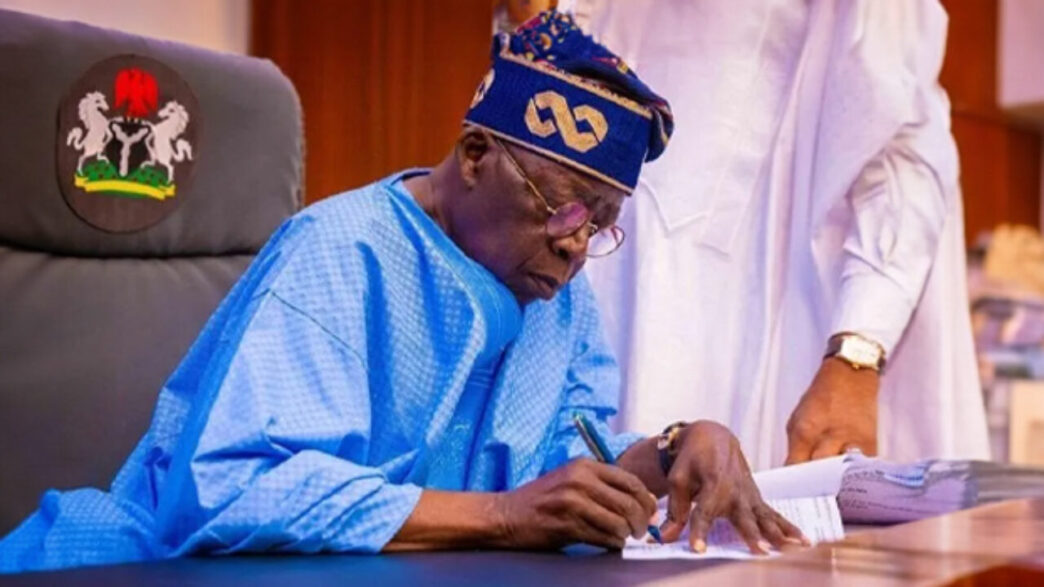
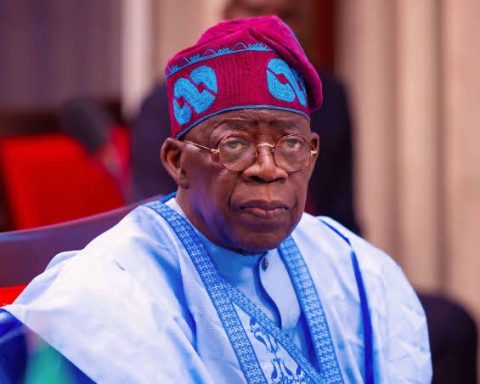
President Bola Tinubu has said the Federal Government’s fertiliser intervention programmes are strengthening Nigeria’s food security and protecting the agricultural sector from the impact of global supply chain disruptions and rising input costs, Prime Business Africa reports.
The President stated this while outlining the progress made under the Presidential Fertiliser Initiative (PFI) and the Renewed Hope Farm Input Support Programme (RH-FISP), describing both interventions as central to his administration’s strategy to boost local food production and ease pressure on food prices.
READ ALSO :
Join our WhatsApp ChannelTinubu Approves 1,000 Forest Guards for Oyo as FG Intensifies Efforts to Rescue Abducted Pupils
According to Tinubu, disruptions in global supply chains and rising costs of key fertiliser inputs over the past year, exacerbated by the conflict in the Middle East, posed significant risks to agricultural productivity in Nigeria and other countries.
He said the potential consequences included fertiliser shortages, higher production costs, reduced crop yields and rising food prices.
To mitigate these risks, Tinubu said the government moved early to strengthen the Presidential Fertiliser Initiative, which has been restructured under the Ministry of Finance Incorporated (MOFI).
He noted that the initiative secured critical raw materials, improved procurement processes, negotiated forward supply agreements and enhanced coordination across the fertiliser value chain, helping to shield local blending plants from the worst effects of global market volatility.
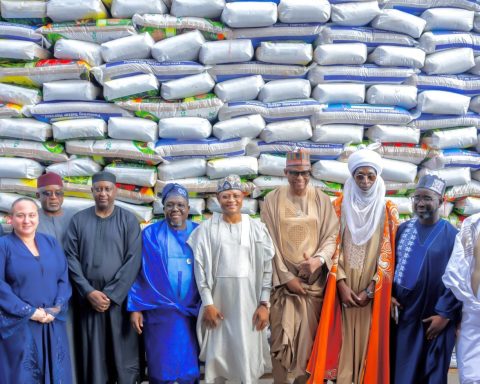
According to the Presidency, As of May 2026, more than 449,000 metric tonnes of fertiliser inputs, equivalent to about nine million bags, had been secured, while 10 vessels carrying additional supplies had either been discharged or were in transit.
The President said the government remains on track to deliver a 1.1 million metric tonne fertiliser programme this year, equivalent to about 22 million bags.
He further disclosed that strategic contracting for key fertiliser inputs generated savings of ₦61.58 billion in 2026 alone, helping to keep fertiliser affordable for farmers despite global price pressures.
Tinubu also highlighted the growth of Nigeria’s domestic fertiliser industry, noting that the country now has more than 90 operational fertiliser blending plants, the largest blending capacity in Sub-Saharan Africa.
According to him, the expanded capacity is supporting local manufacturing, creating jobs and strengthening the resilience of the country’s food system.
The President, however, stressed that securing adequate fertiliser supplies is only part of the solution, noting that timely access for farmers remains critical to increasing agricultural output.
READ MORE :
To address this challenge, he said the government launched the Renewed Hope Farm Input Support Programme through the National Agricultural Development Fund (NADF).
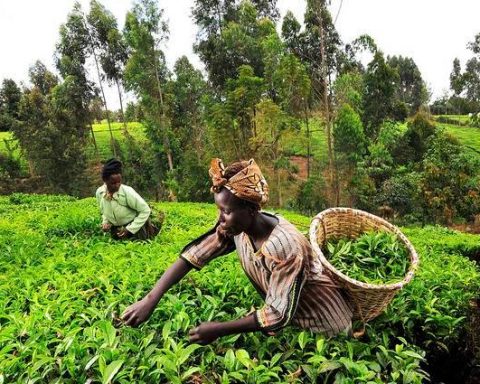
Under the programme, 515,720 bags of locally produced fertiliser are being distributed to 128,930 smallholder farmers across 25 states and the Federal Capital Territory during the current planting season.
Beyond fertiliser distribution, Tinubu said the NADF is supporting agricultural modernisation through digital extension services, harmonised fertiliser application guidelines and targeted interventions for priority crops, including rice, maize, cassava and soybean.
He reaffirmed his administration’s commitment to supporting farmers, increasing productivity, strengthening agricultural value chains and promoting local industry.
The interventions form part of broader efforts to boost domestic food production, reduce dependence on imports and build a more resilient agricultural sector, as the government seeks to address food inflation and improve food security across the country.

Amanze Chinonye is a Staff Correspondent at Prime Business Africa, a rising star in the literary world, weaving captivating stories that transport readers to the vibrant landscapes of Nigeria and the rest of Africa. With a unique voice that blends with the newspaper's tradition and style, Chinonye's writing is a masterful exploration of the human condition, delving into themes of identity, culture, and social justice. Through her words, Chinonye paints vivid portraits of everyday African life, from the bustling markets of Nigeria's Lagos to the quiet villages of South Africa's countryside . With a keen eye for detail and a deep understanding of the complexities of Nigerian society, Chinonye's writing is both a testament to the country's rich cultural heritage and a powerful call to action for a brighter future. As a writer, Chinonye is a true storyteller, using her dexterity to educate, inspire, and uplift readers around the world.