 Prosper Okoye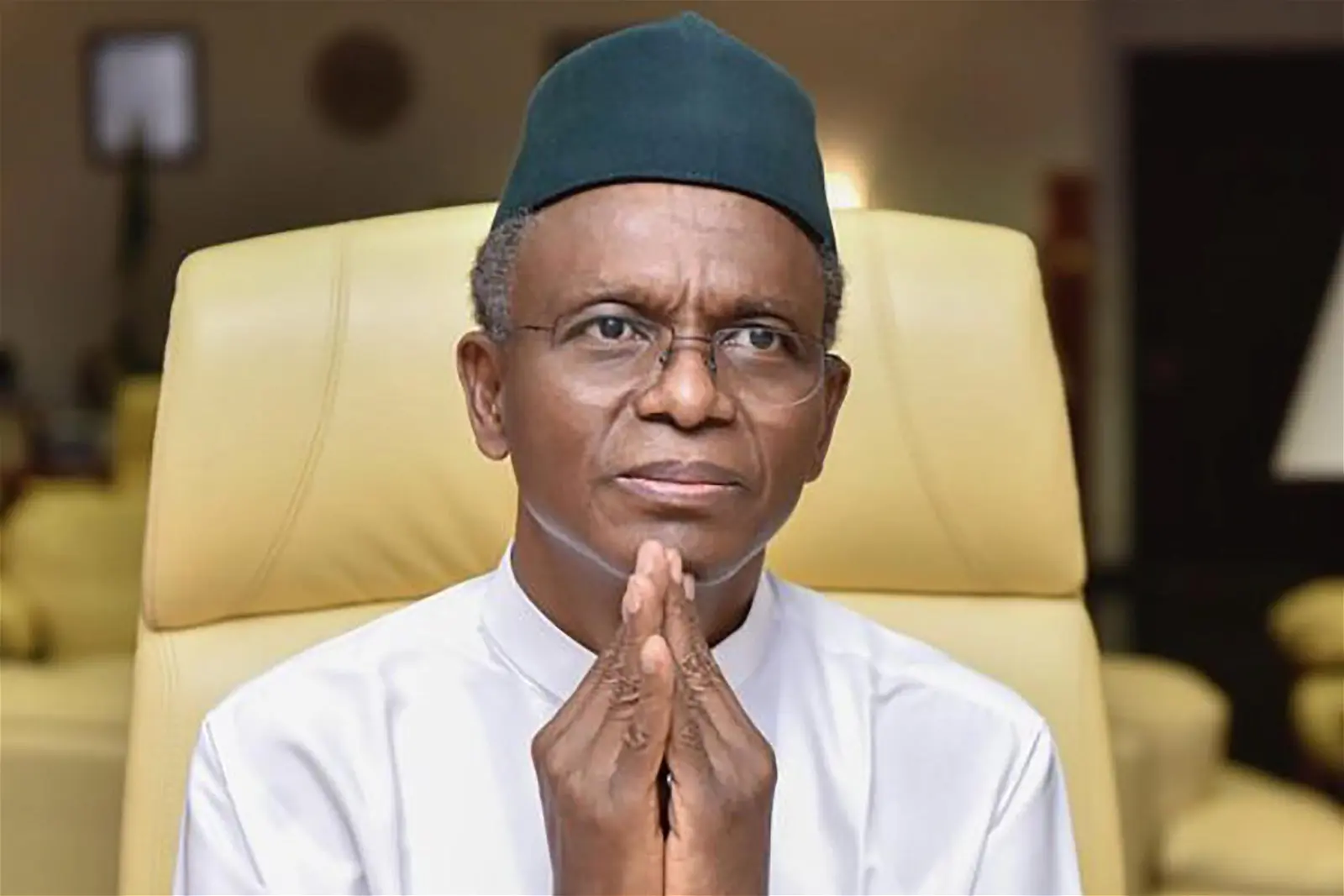
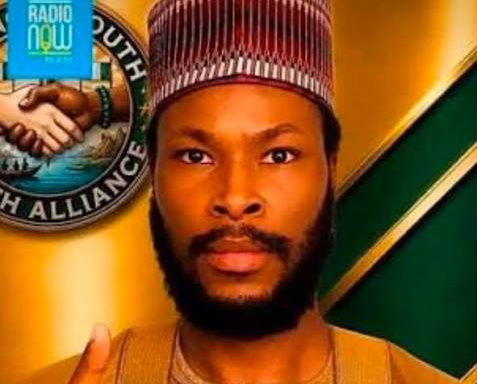
Department of State Services (DSS) has reopened its investigation into the 2019 disappearance of Abubakar Idris, known as Dadiyata, a prominent government critic who vanished from his Kaduna home on 1 August 2019.
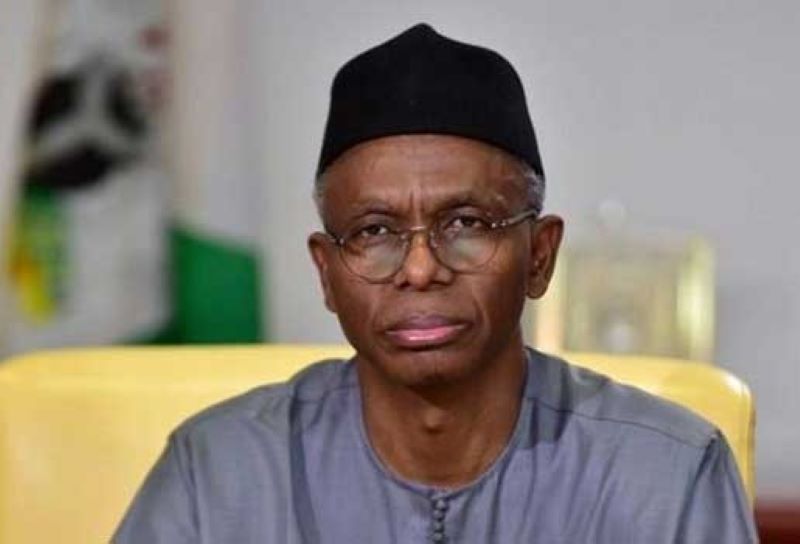
According to a senior security source, the renewed probe is examining alleged links between former Kaduna State governor Nasir El’Rufai, his sons, and the circumstances surrounding Idris’s disappearance.
The source revealed that El‑Rufai’s passport was seized at Nnamdi Azikiwe International Airport last Thursday upon his return from Cairo. Investigators said the action was a precautionary measure as part of a wider review into fresh leads on key actors connected to the disappearance of Dadiyata.
Join our WhatsApp Channel“Months of discreet inquiries have prompted this cold case review,” the source said, noting that Idris, a lecturer at the Federal University Dutsinma, remains missing more than six years later despite international attention and pressure from human rights organisations.
In a recent television interview, El’Rufai claimed knowledge of a police officer who allegedly confessed to taking part in Idris’s abduction, insisting he was unaware of Dadiyata prior to the incident and pointing instead to Kano State authorities.
Security officials have described these claims as troubling, questioning why such information—if credible—was not reported or acted upon. They also referenced past social media posts by his sons, Bello and Bashir, suggesting Dadiyata had been seen as a hostile critic of the family.
READ ALSO:
El-Rufai In Kaduna: Like Nnamdi Kanu … Like Sunday Igboho?
DSS Rearrest of Ex-AGF Malami Linked to Terrorism Financing Petitions, Rights Groups Raise Concerns
Tinubu Orders Military, Police, DSS to Hunt Down Perpetrators of Kasuwan Daji Attack
Investigators emphasised that the passport seizure was not an arrest but a lawful measure while inquiries continue. They confirmed ongoing collaboration with the EFCC and ICPC on related matters involving former associates of the ex-governor.
The case has reignited public calls for accountability, with activists and political figures demanding a transparent investigation into the disappearance of the outspoken critic.

Prosper Okoye is a Correspondent and Research Writer at Prime Business Africa, a Nigerian journalist with experience in development reporting, public affairs, and policy-focused storytelling across Africa