 Prosper Okoye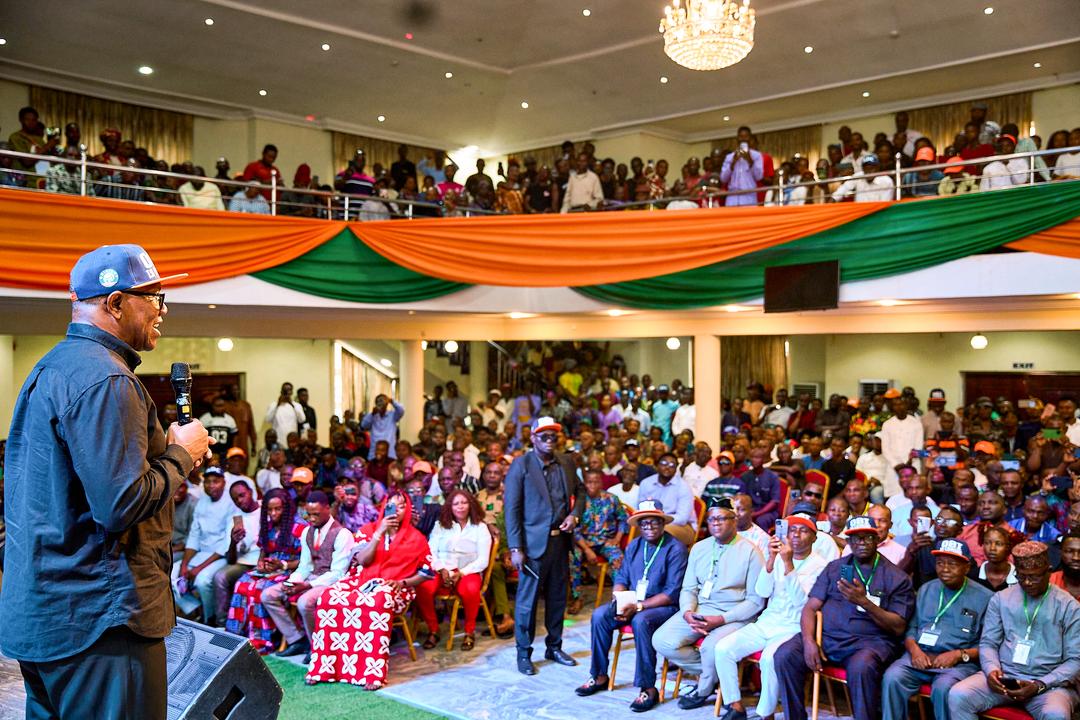
Peter Obi’s decision to seek the presidency again in 2027 has re-energised Nigeria’s opposition politics and reopened debates about how the next election will be run.
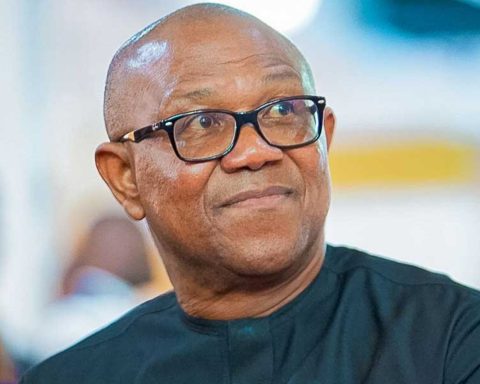
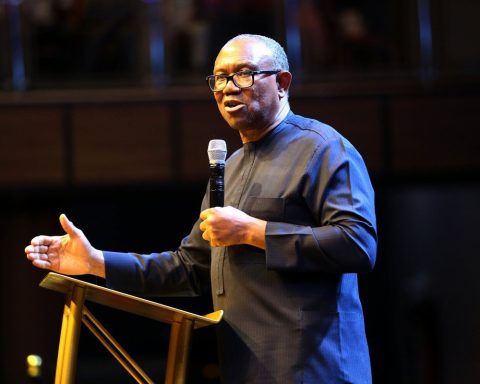
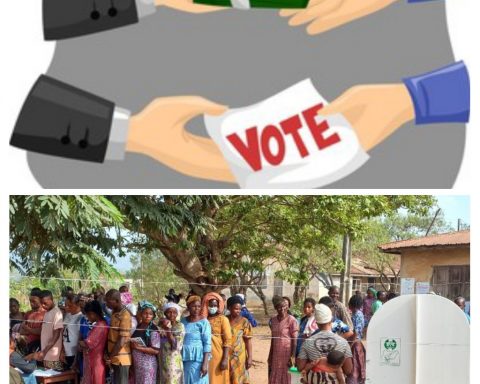
The former Anambra State governor and 2023 Labour Party candidate announced that he will contest on the platform of the African Democratic Congress (ADC) at a meeting of his supporters in Akwa Ibom State yesterday. In a speech focused largely on the credibility of Nigeria’s voting system, Mr Obi warned that the country could not afford another election in which results are disputed.
“Our votes must count,” he told supporters. “Anyone who refuses to count our votes will be counted among those destroying Nigeria.”
Join our WhatsApp ChannelThe remarks echo his stance after the 2023 election, when he challenged the outcome in court, alleging widespread irregularities. Although his legal challenge failed, his supporters remain convinced that the election did not reflect the will of voters, particularly in parts of the south and in major cities.
Speaking to his loyal supporters – the so-called “Obidients” – in Akwa Ibom State, the former Anambra governor said he would contest the 2027 election on the platform of the African Democratic Congress. His words quickly rippled through the country’s political class, reviving memories of the fiercely disputed 2023 polls and raising fresh questions about how the next vote will be conducted.
“Our votes must count,” Mr Obi told the crowd. “All those who are there not to count the votes will be counted among those destroying Nigeria.”
For a politician who built his national profile on claims that he was robbed at the ballot box, it was a familiar refrain. After the last election, he went to court, arguing that irregularities and technical failures had distorted the will of voters. Now, with nearly two years to go before the next presidential race, he is again placing electoral integrity at the centre of his appeal, urging supporters to stay behind at polling units and watch every ballot being counted.
A Crowded And Restless Field
Nigeria’s election calendar adds urgency to this early manoeuvring. The Independent National Electoral Commission says presidential and parliamentary elections are due in February 2027, with party primaries in mid-2026 and campaigns beginning later that year. Lawmakers are still debating possible reforms, including changes to voting procedures and even the election date, but nothing has yet been agreed.
What is already clear is that the race will be fiercely contested. The incumbent president, Bola Ahmed Tinubu, is expected to seek a second term, backed by the formidable machinery of the ruling All Progressives Congress and strongholds in the south-west and parts of the north.
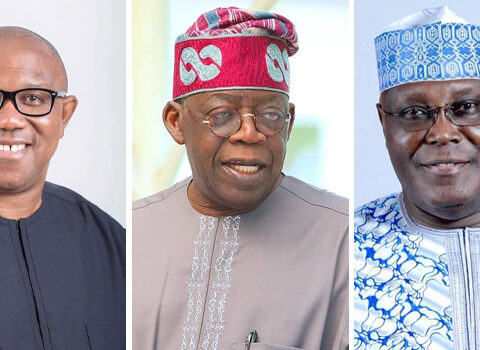
Across the aisle, the opposition is more fluid. Former vice-president Atiku Abubakar has also aligned himself with the ADC, setting up a potentially awkward partnership with Mr Obi. Both men want the top job, and both command devoted followings in different parts of the country – Atiku in much of the north, Obi in the south-east and among urban youth.
Other names hover on the edges of the conversation. Supporters of former president Goodluck Jonathan have floated the idea of a comeback, while politicians such as Nasir El-Rufai and Rotimi Amaechi are also being mentioned as possible power-brokers in whatever alliances emerge.
READ ALSO:
Peter Obi Leads Protest at National Assembly, Calls for Mandatory Real-Time Election Result Transmission
Obi Criticises Tinubu Over Power Supply, Says No Steady Electricity Means No Second Term
Referendum On Performance And Trust
Behind the shifting party labels lies a deeper unease. Nigeria is grappling with high inflation, a struggling currency and persistent insecurity, problems that have intensified since President Tinubu took office. For many voters, 2027 is shaping up as a referendum on whether his government has delivered the change it promised.
That mood of frustration could benefit challengers, especially if Atiku and Obi manage to avoid splitting the opposition vote. Yet Mr Tinubu’s supporters point to the advantages of incumbency, the reach of his party and the loyalty of key regional blocs, arguing that these still make him the man to beat.
Overhanging all of this is the issue that Mr Obi keeps returning to: whether Nigerians will trust the process itself. After the controversies of 2023, confidence in the system remains fragile. How INEC runs the next election, how technology is used, and how transparently results are handled may prove just as important as the candidates’ manifestos.
For now, Mr Obi’s declaration has ensured that the race has started earlier than many expected. With alliances still unformed and the political weather changing fast, Nigeria’s 2027 contest already looks set to be one of the most unpredictable – and most consequential – in its history.

Prosper Okoye is a Correspondent and Research Writer at Prime Business Africa, a Nigerian journalist with experience in development reporting, public affairs, and policy-focused storytelling across Africa