John Adoyi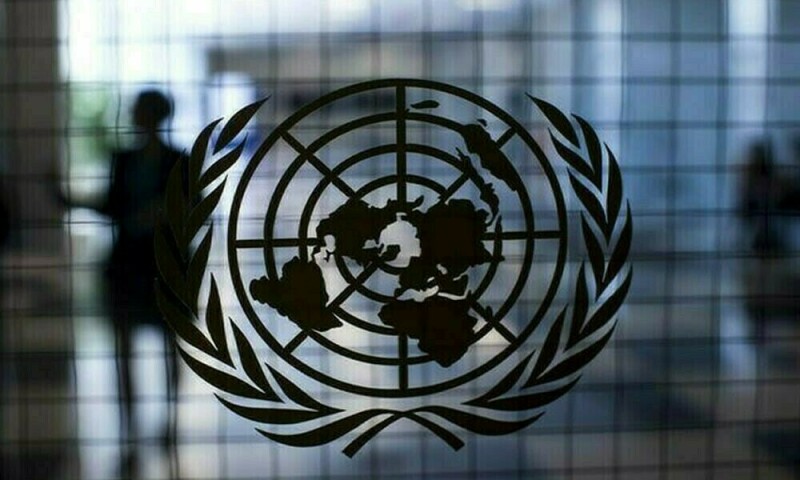
Sudan, the Occupied Palestinian Territory, and Syria account for nearly $10 billion of the United Nations’ $23 billion humanitarian appeal for 2026, as conflict, displacement, and economic collapse continue to drive some of the world’s most severe crises.
The funding request, contained in the UN’s Global Humanitarian Overview (GHO) 2026 launched on Monday, aims to provide lifesaving assistance to 87 million people affected by war, climate disasters, earthquakes, epidemics, and crop failures. In total, the plan seeks to reach 135 million people across 50 countries.
Join our WhatsApp ChannelThe largest country plan is for the Occupied Palestinian Territory, where the UN is seeking $4.1 billion to reach about three million people. In Sudan, which the UN has described as the world’s largest displacement crisis, $2.9 billion is required to provide assistance to 20 million people inside the country, with an additional $2 billion needed to support seven million Sudanese refugees in neighboring states.
More from United Nation:
- UN Sounds Alarm as Conflict Engulfs Kordofan, Raising Fears of New Atrocities
- United Nations Calls For $4.7bn To Aid Over 20m IDPs In Nigeria, 5 others
Syria follows with a $2.8 billion plan targeting 8.6 million people.
The updated appeal comes after sharp funding declines in 2025, when only $12 billion was raised—the lowest level of support in a decade. As a result, humanitarian agencies were able to reach 25 million fewer people than the previous year, according to UN humanitarian chief Tom Fletcher.
He said the funding shortfall contributed to worsening hunger, pressure on health systems, and the suspension of programs for women and girls even as famine conditions emerged in parts of Sudan and Gaza. Hundreds of aid organizations shut down during the year, and more than 380 humanitarian workers were killed, the highest number on record.
Fletcher told reporters that aid workers were “overstretched, underfunded, and under attack,” adding that only around 20 percent of humanitarian appeals are currently being met.
Over the next 87 days, the UN and its partners will present the appeal to member states, urging them not only to increase funding but also to strengthen protection for humanitarian workers operating in conflict zones.