 Amanze Chinonye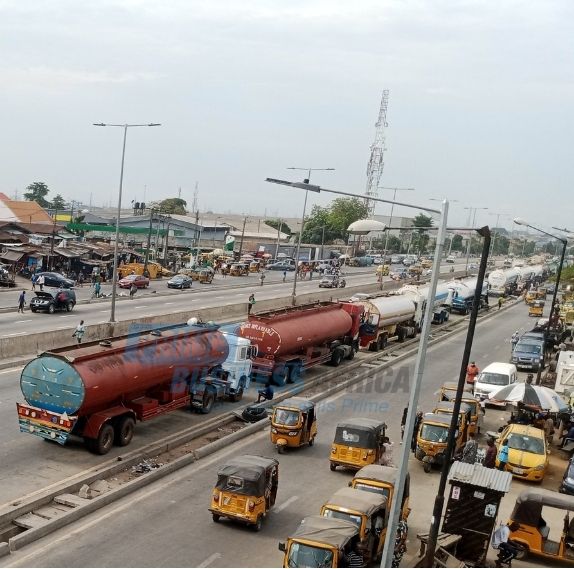
Labour unions in Nigeria, led by the Nigeria Labour Congress (NLC), have renewed calls for urgent tax relief as the country grapples with rising fuel prices and a mounting cost-of-living crisis.
The unions warn that soaring petrol costs are straining household budgets, squeezing workers’ incomes, and threatening broader economic stability.
Here are 6 key reasons driving the unions’ demands:
Join our WhatsApp Channel1. Rising Fuel Prices Worsen Economic Hardship
Petrol prices in Nigeria have surged to between ₦1,170 and ₦1,300 per litre following the removal of fuel subsidies and other global economic strains.
The NLC has consistently warned that these increases directly impact household expenses and make basic necessities less affordable. In a recent statement, the union said the spike in fuel prices has “further deepened the economic hardship faced by Nigerian workers and the general populace.”
2. Urgent Call for Tax Relief
The NLC has explicitly called on the federal government to provide immediate tax relief for workers. The union emphasized suspending regressive taxes on low-income earners as a key measure to reduce the financial burden on households already struggling with high living costs. The union views tax relief as an essential short-term intervention to cushion workers against the economic shock caused by rising fuel prices.
READ ALSO : 6 Major Security Challenges the Nigerian Military Faces in the Northeast Right Now
6 Legal Rights Property Owners Have When the Government Orders Demolition
3. Cost-of-Living Allowances and Wage Support
Beyond tax relief, the unions have demanded cost-of-living allowances and wage awards. They argue that stagnant wages have failed to keep pace with rising inflation and household expenses.
Labour leaders insist that these measures are critical to restoring the purchasing power of workers, particularly those earning minimum wages or working in the informal sector.
4. Transportation Costs Strain Household Budgets
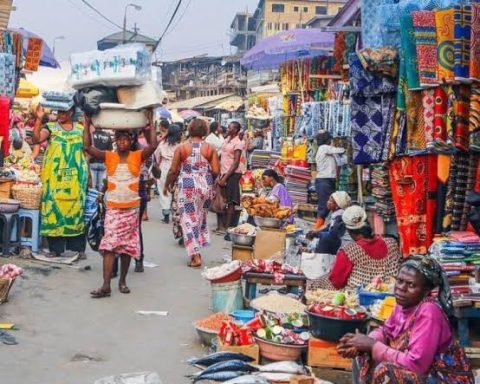
Rising petrol prices have significantly increased commuting and transportation costs for millions of Nigerians. Labour unions highlight that this directly affects workers’ ability to cover other essential expenses, reducing disposable income and overall quality of life.
The unions stress that the government must intervene to prevent these additional costs from pushing more households into financial distress.
5. Broader Economic Implications
The NLC has warned that sustained fuel price increases, combined with high taxation, could suppress consumer spending and weaken economic activity.
Labour leaders argue that protecting workers’ disposable income is not just a social concern but also an economic imperative, as decreased spending could slow growth and exacerbate poverty across the country.
6. Balanced Policy Measures Needed
Labour unions insist that government policies must balance economic reform with workers’ welfare. While acknowledging the need for subsidy removal and other market-oriented reforms, the NLC argues that policy interventions such as tax relief and wage adjustments are necessary to ensure that ordinary Nigerians are not disproportionately affected.
The unions have also called for long-term strategies to strengthen economic resilience, including measures to stabilize domestic fuel supply and improve living standards.
Labour unions in Nigeria have a long history of advocating for workers during periods of economic stress, including nationwide protests and strikes over fuel subsidy removals.
Today, their push for tax relief represents a continuation of that advocacy, highlighting the ongoing tension between government economic reforms and the everyday realities faced by millions of Nigerian workers.
For millions of Nigerians, these demands are more than policy debates, they represent a critical effort to protect livelihoods and secure immediate financial relief in the face of persistent economic pressures.

Amanze Chinonye is a Staff Correspondent at Prime Business Africa, a rising star in the literary world, weaving captivating stories that transport readers to the vibrant landscapes of Nigeria and the rest of Africa. With a unique voice that blends with the newspaper's tradition and style, Chinonye's writing is a masterful exploration of the human condition, delving into themes of identity, culture, and social justice. Through her words, Chinonye paints vivid portraits of everyday African life, from the bustling markets of Nigeria's Lagos to the quiet villages of South Africa's countryside . With a keen eye for detail and a deep understanding of the complexities of Nigerian society, Chinonye's writing is both a testament to the country's rich cultural heritage and a powerful call to action for a brighter future. As a writer, Chinonye is a true storyteller, using her dexterity to educate, inspire, and uplift readers around the world.