 Amanze Chinonye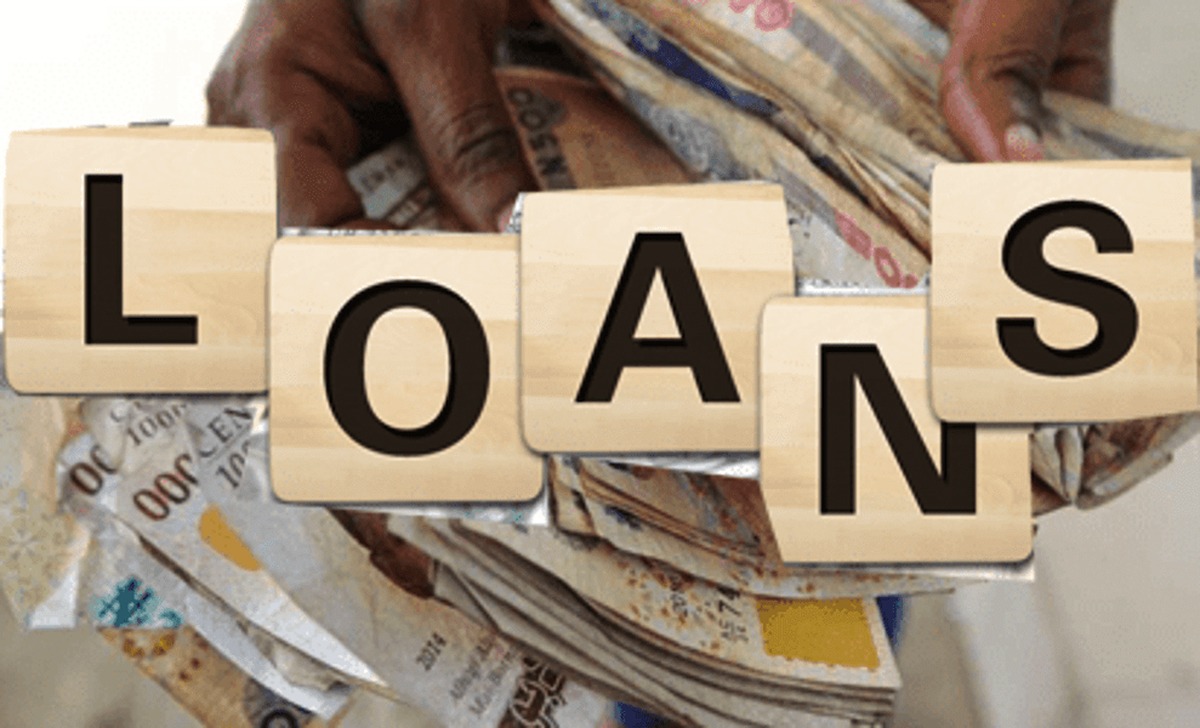
Kenya is facing growing pressure from higher financing costs as limited access to concessional funding forces developing economies to rely more heavily on expensive sources of capital, according to a report by ONE Data, supported by the Rockefeller Foundation.
Join our WhatsApp Channel
The report, Priced Out: The Rising Cost of Borrowing for Low- and Lower-Middle-Income Countries, said the average cost of external borrowing for African countries rose 91% between 2020 and 2024, from 2.7% to 5.1%.
READ ALSO :
World Bank Flags Taxes, Bribery as Constraints on Kenya Businesses
Kenya is among countries described as being in a financing “squeezed middle”, having moved beyond the poorest economies eligible for the World Bank’s most concessional lending while lacking the same access to relatively cheaper international capital available to stronger emerging markets. That leaves the country more exposed to shifts in global interest rates and investor risk appetite.
The financing squeeze comes as Kenya seeks to fund infrastructure and other development priorities while managing substantial debt-service obligations. The African Development Bank estimates that the country requires about $14.2 billion annually for development financing and could face a $12.5 billion funding gap by 2030. Public and publicly guaranteed debt stood at 69.9% of GDP in 2025, the bank said.
Borrowing costs have risen across several major sources of external finance. The average cost of lending through the World Bank’s International Bank for Reconstruction and Development increased from 1.4% in 2020 to 5.2% in 2024, while average Chinese lending rates to African countries rose from 2.5% to 5.7%, according to the ONE Data analysis. Countries unable to access international bond markets in 2022 and 2023 faced implied borrowing costs averaging 10.8%.
The financing environment adds to risks facing Kenya’s economic outlook. The AfDB forecasts economic growth of 4.6% in 2026 but has identified tighter global financial conditions, higher energy costs, climate-related shocks and political uncertainty as potential headwinds. It has urged stronger domestic revenue mobilisation, improved fiscal credibility and deeper capital markets to reduce reliance on debt financing.
READ MORE :
Nairobi has sought to diversify its funding sources as it manages the pressure.
The government has considered further international bond issuance, including an $815 million Eurobond, alongside alternative instruments such as a panda bond and Japanese-backed financing. It has also pursued measures to replace or retire some higher-cost external debt.
ONE Data warned that worsening financing conditions could reduce governments’ fiscal space for infrastructure, healthcare, education and social protection. It called for increased multilateral development-bank lending, wider access to concessional funding and faster debt restructuring for countries facing elevated borrowing costs.

Amanze Chinonye is a Staff Correspondent at Prime Business Africa, a rising star in the literary world, weaving captivating stories that transport readers to the vibrant landscapes of Nigeria and the rest of Africa. With a unique voice that blends with the newspaper's tradition and style, Chinonye's writing is a masterful exploration of the human condition, delving into themes of identity, culture, and social justice. Through her words, Chinonye paints vivid portraits of everyday African life, from the bustling markets of Nigeria's Lagos to the quiet villages of South Africa's countryside . With a keen eye for detail and a deep understanding of the complexities of Nigerian society, Chinonye's writing is both a testament to the country's rich cultural heritage and a powerful call to action for a brighter future. As a writer, Chinonye is a true storyteller, using her dexterity to educate, inspire, and uplift readers around the world.