 Amanze Chinonye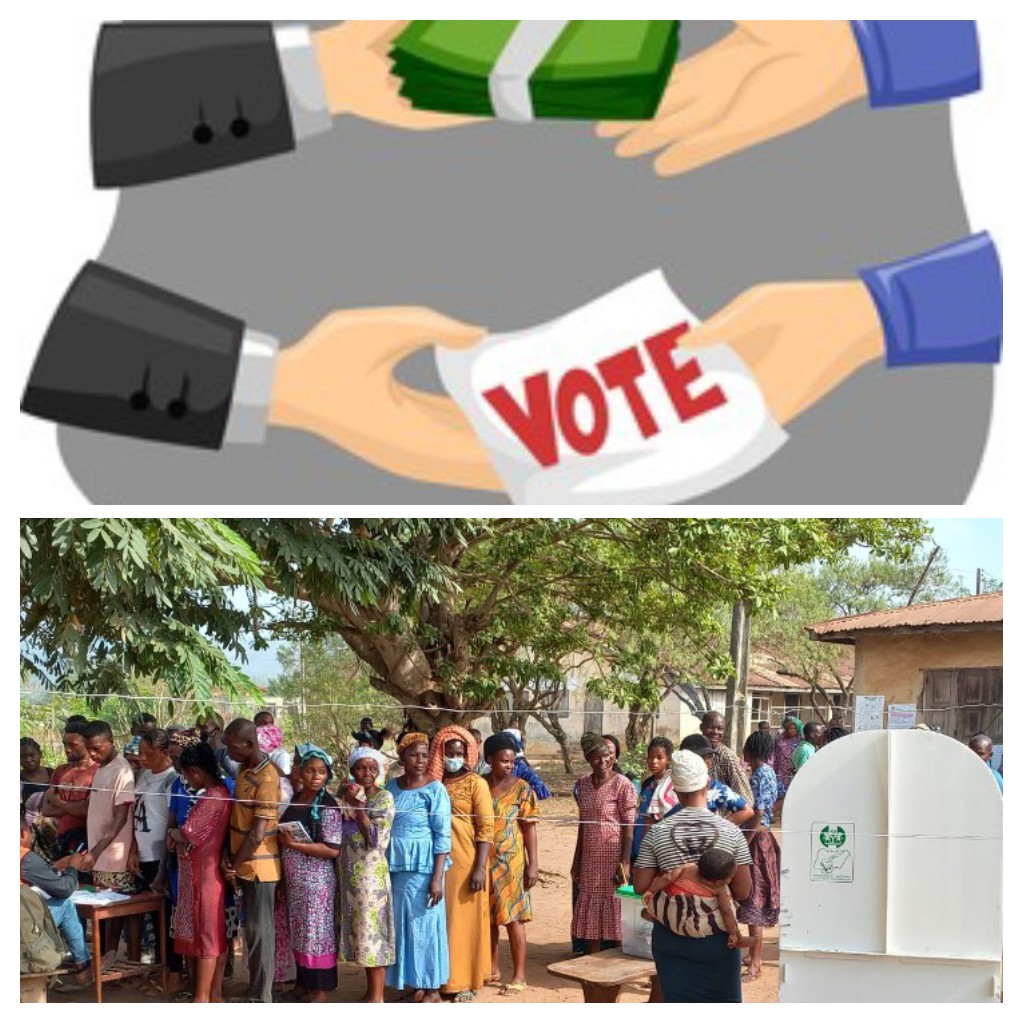
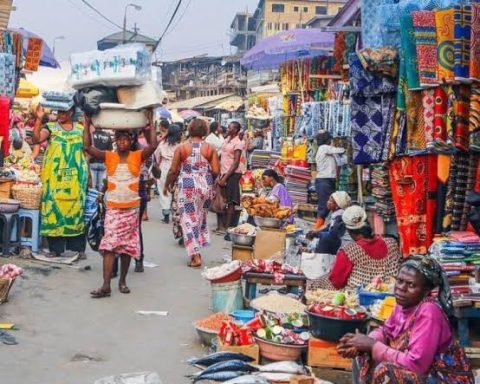
Nigeria is approaching the 2027 general election with inflation easing but the cost of living still weighing heavily on households, raising concerns about how economic vulnerability could interact with vote buying and other forms of electoral inducement.
Headline inflation fell marginally to 15.39% in August 2026, from 15.43% in July, according to the National Bureau of Statistics. But the slowdown does not mean prices are falling. The Consumer Price Index rose to 146.3 points in August from 145.3 in July, showing that the overall price level continued to increase, albeit at a slower pace.
Join our WhatsApp ChannelREAD ALSO :
Food prices remain a significant pressure point. Food inflation stood at 19.57% year-on-year in August, while monthly food inflation was 1.02%. For households whose earnings have not kept pace with accumulated price increases, the moderation in inflation offers little immediate relief.
The International Monetary Fund (IMF) said in June that Nigeria’s economic reforms had improved macroeconomic stability, while living conditions remained difficult for many Nigerians. It estimated poverty at 63% under Nigeria’s national poverty line and said about 27 million people experienced food insecurity in autumn 2025. The IMF projected economic growth of 4.1% for 2026 but warned that elevated food and transport costs continued to weigh on economic activity and could worsen poverty and food insecurity.
READ MORE :
Nigeria Cites IMF Report as Evidence of Reform Gains, Pledges Continued Economic Adjustments
Public sentiment reflects the pressure. An Afrobarometer survey published in 2025 found that 88% of Nigerians described the country’s economic condition as fairly bad or very bad, while 74% reported poor personal living conditions. Ninety-five percent said they or someone in their household had gone without cash income at least once during the preceding year. The rising cost of living was the issue Nigerians most frequently identified as requiring government attention.
For younger Nigerians, economic opportunity is also a major concern. A separate Afrobarometer survey found that 23% of respondents aged 18 to 35 described themselves as unemployed and looking for work. The cost of living ranked as the leading issue they wanted the government to address, followed by unemployment, security, poverty and economic management.
These conditions have renewed attention on the relationship between economic vulnerability and electoral inducement. Nigeria’s 2023 elections provide documented evidence of the challenge.
Yiaga Africa recorded 44 cases of vote buying during the elections, involving cash and the distribution of food and other goods. Its observers also reported attempts in Zamfara to collect voters’ bank-account details for payments linked to votes.
Economic hardship, however, does not by itself determine how people vote. Voters make choices for different reasons, including political preferences, candidate credibility, local interests and assessments of government performance. The evidence instead points to a more specific concern: when household finances are severely strained, relatively small financial or material inducements may become more consequential during campaigns.
The issue has also featured in assessments of the 2027 electoral environment. The International Republican Institute, following a pre-election assessment in August, identified economic hardship and monetised political competition among the challenges facing Nigeria’s democratic process. It also called for stronger action against vote buying and voter inducement.
READ ALSO :
SERAP Sets Asset Disclosure, Vote-Buying Test for 2027 Presidential Candidates
Nigeria’s electoral law prohibits offering or accepting money or other inducements intended to corruptly influence a person’s vote. The responsibility for enforcing that prohibition rests with electoral and law-enforcement institutions, while political parties and candidates are expected to operate within the legal framework.
The Independent National Electoral Commission has scheduled the presidential and National Assembly elections for January 16, 2027, followed by governorship and state assembly elections on February 6.
As the election approaches, Nigeria’s economic trajectory will therefore form part of a wider test of electoral integrity. Falling inflation may indicate improving macroeconomic conditions, but it does not erase the price increases households have already absorbed.
How political actors respond to voters facing those pressures and how effectively institutions prevent prohibited inducements will help shape the environment in which Nigerians exercise their right to choose their representatives come 2027.

Amanze Chinonye is a Staff Correspondent at Prime Business Africa, a rising star in the literary world, weaving captivating stories that transport readers to the vibrant landscapes of Nigeria and the rest of Africa. With a unique voice that blends with the newspaper's tradition and style, Chinonye's writing is a masterful exploration of the human condition, delving into themes of identity, culture, and social justice. Through her words, Chinonye paints vivid portraits of everyday African life, from the bustling markets of Nigeria's Lagos to the quiet villages of South Africa's countryside . With a keen eye for detail and a deep understanding of the complexities of Nigerian society, Chinonye's writing is both a testament to the country's rich cultural heritage and a powerful call to action for a brighter future. As a writer, Chinonye is a true storyteller, using her dexterity to educate, inspire, and uplift readers around the world.