PBA Reporter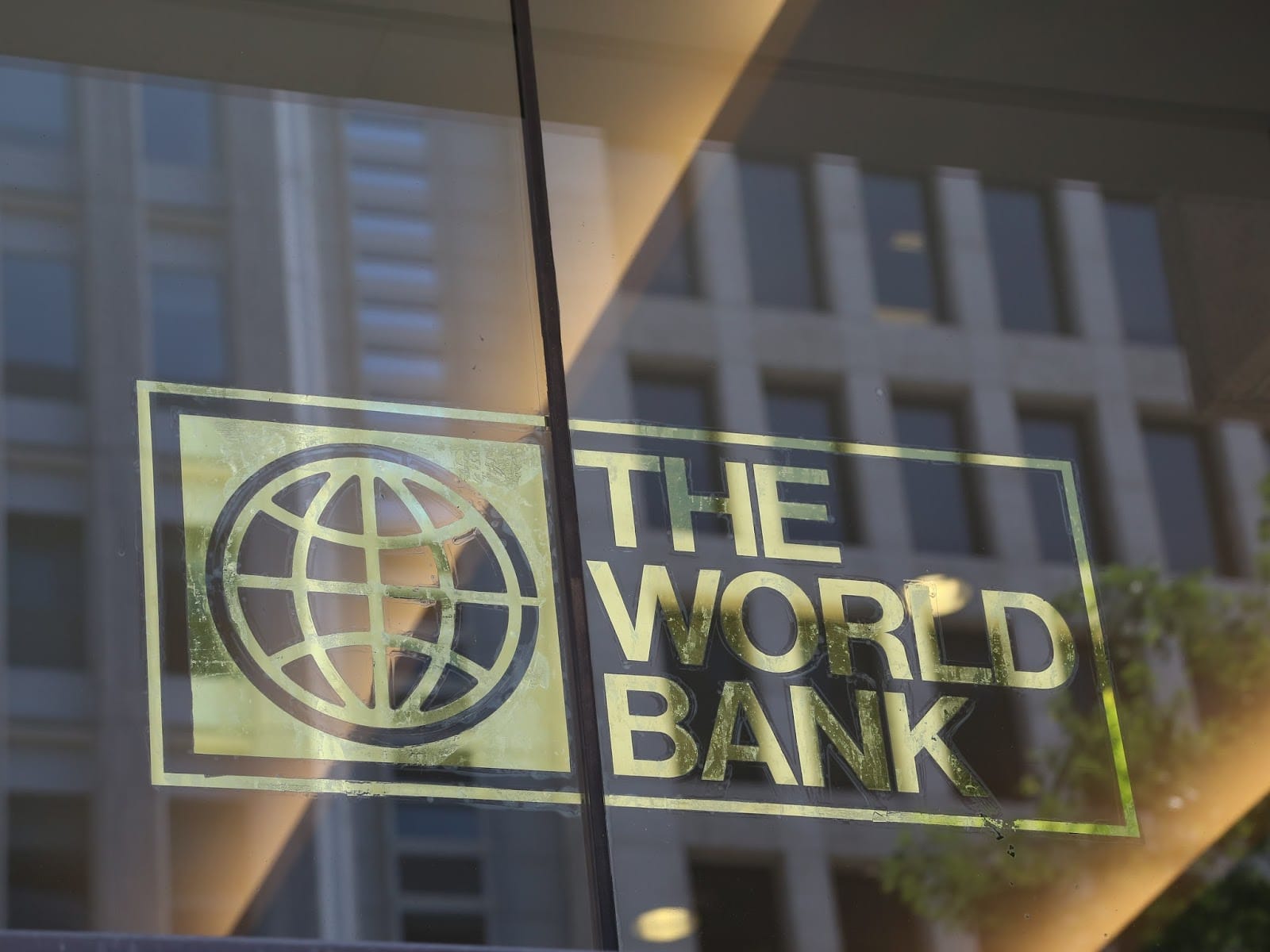
David Malpass, World Bank Group president, has explained that 60 per cent of low-income countries are in debt distress or at high risk of it.
Malpass noted that low-income economies are countries with a gross national income (GNI) per capita of $1,045 or less, according to the World Bank collection of development indicators.
Join our WhatsApp ChannelThey include Liberia, Burundi, Ethiopia, Guinea, The Gambia, Mali, Uganda, Togo, Somalia, Madagascar, and Chad, among others.
Malpass made this known on Monday during his opening remarks at a media roundtable of the World Bank/IMF’s 2022 spring meetings.
According to him, “I want to say a few words on debt and inflation. These are two big problems facing global growth. Due to high debt and deficit levels, countries are under severe financial stress. Sixty per cent of low-income countries are already in debt distress or at high risk of it.
“I participated virtually in our April 13 conference on debt transparency and sustainability and suggested steps to improve the implementation of the Common Framework.”
He said the steps include establishing a timeline for forming creditors’ committees, suspension of debt service payments and penalty interest.
“These, plus the war in Ukraine and China’s COVID-related shutdowns, are pushing global growth rates even lower and poverty rates higher,” the president said.
“We’ve lowered our 2022 growth rate to 3.2% from 4.1% before. People are facing reversals in development for education, health, and gender equality. They’re facing reduced commercial activity and trade. Also, the debt crises and currency depreciations have a burden that falls heavily on the poor.”
Speaking on the issue of inflation, Malpass decried it was causing immense strain, highlighting that policies need to be adjusted to enhance supply, not just increasing demand.
He said: “Markets are forward-looking so it’s vital for governments and private sectors to state that supply will increase and that their policies will foster currency stability to bring down inflation and increase growth rates.
“This is especially important as global supply chains shift away from dependency. The inequality gap has widened materially, with wealth and income concentrating in narrow segments of the global population. Interest rate hikes, if that’s the primary tool, will add to the inequality challenge that the world is facing.
“Capital is being misallocated now. One of the focal points should be using all the central bank tools so that capital is allocated in a way that helps increase supply. That will be an effective way to address inflation.
“Some of the tools include: changing the duration of their portfolio; it would be very helpful to shorten it. Encouraging supply through their regulatory policies. Providing forward guidance that fosters currency stability. Other tools as well to powerfully address the inflation problem.”

- PBA Reporter
- PBA Reporter
- PBA Reporter
- PBA Reporter
- PBA Reporter
- PBA Reporter
- PBA Reporter
- PBA Reporter
- PBA Reporter
- PBA Reporter
- PBA Reporter
- PBA Reporter
- PBA Reporter
- PBA Reporter
- PBA Reporter
- PBA Reporter
- PBA Reporter
- PBA Reporter
- PBA Reporter
- PBA Reporter
- PBA Reporter
- PBA Reporter
- PBA Reporter
- PBA Reporter
- PBA Reporter
- PBA Reporter
- PBA Reporter
- PBA Reporter
- PBA Reporter
- PBA Reporter
- PBA Reporter
- PBA Reporter
- PBA Reporter
- PBA Reporter
- PBA Reporter
- PBA Reporter
- PBA Reporter
- PBA Reporter
- PBA Reporter
- PBA Reporter
- PBA Reporter
- PBA Reporter
- PBA Reporter
- PBA Reporter
- PBA Reporter
- PBA Reporter
- PBA Reporter
- PBA Reporter
- PBA Reporter
- PBA Reporter
- PBA Reporter
- PBA Reporter
- PBA Reporter
- PBA Reporter
- PBA Reporter
- PBA Reporter
- PBA Reporter