 Amanze Chinonye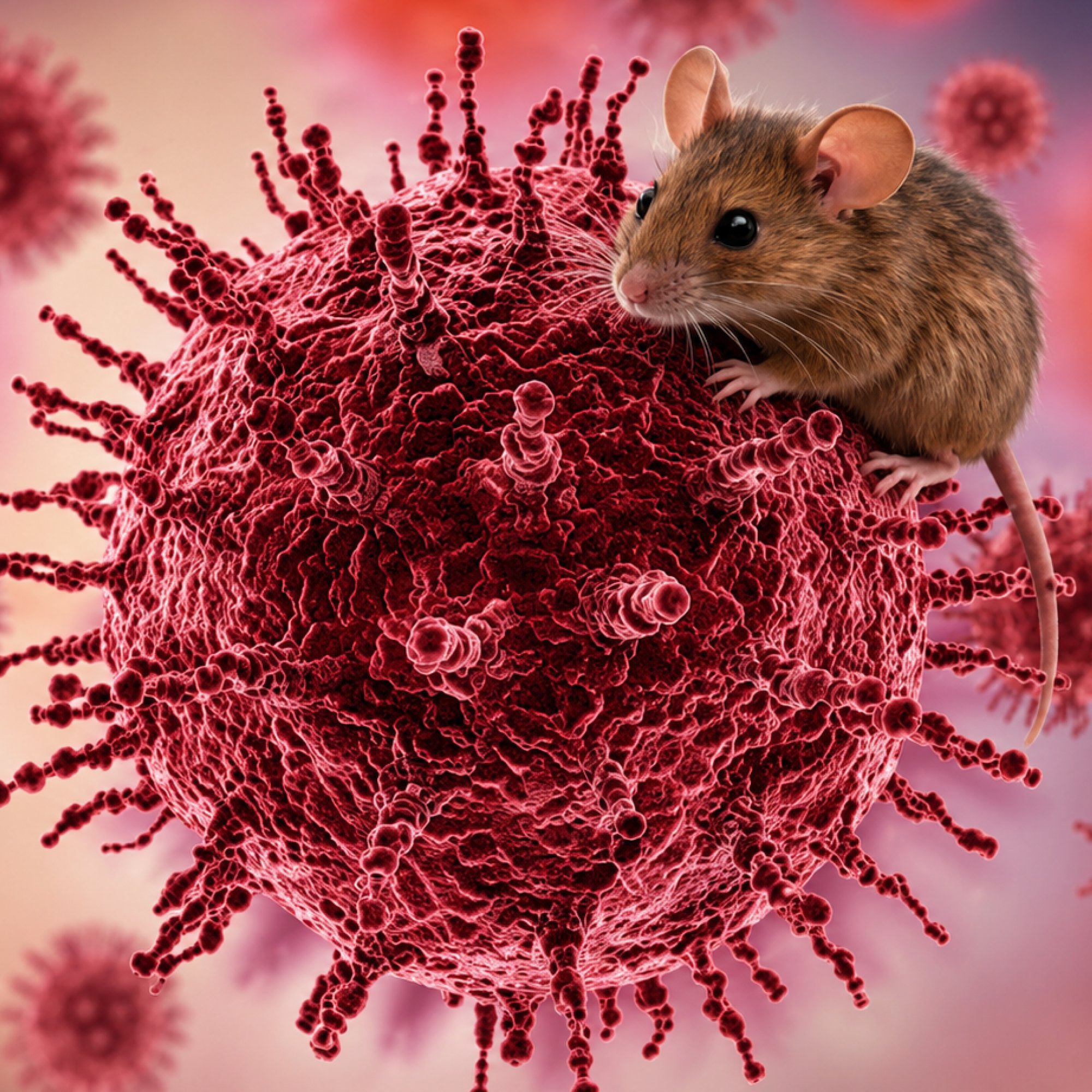
Health authorities across multiple countries are continuing to monitor cases of Hantavirus, a rare but potentially severe infection that has drawn renewed global attention following an outbreak linked to the expedition cruise vessel MV Hondius.
The World Health Organization (WHO) says the outbreak remains confined to a defined travel-related cluster, despite confirmed fatalities, emergency evacuations, and concerns over limited human-to-human transmission associated with the rare Andes strain of the virus.
READ ALSO :
Join our WhatsApp ChannelThird British National Linked to Hantavirus Cruise Ship Outbreak as Israel Confirms First Case
Official confirmation
Information surrounding the outbreak has come from coordinated reports by the World Health Organization, the UK Health Security Agency (UKHSA), national health ministries, maritime response authorities, and hospitals involved in treating affected passengers across Europe and Africa.
WHO Director-General Tedros Adhanom Ghebreyesus confirmed that “eight cases of hantavirus have been reported, including three deaths,” while stressing that the overall public health risk remains low.
He added that the WHO is working with governments and international partners “to provide care for those affected, protect the safety and dignity of passengers, and prevent onward spread of the virus.”
Health authorities say hantavirus is primarily spread through exposure to infected rodent urine, droppings, or saliva, particularly in enclosed or poorly ventilated environments.
Although the Andes strain linked to the current outbreak has demonstrated limited human-to-human transmission under prolonged close contact, experts maintain that the virus does not spread efficiently within the wider population.
Officials have continued to emphasise awareness and prevention, advising the public to avoid contact with rodents and maintain clean, well-ventilated living spaces to reduce the risk of exposure.
Symptoms, casualties and treatment
Hantavirus infections often begin with flu-like symptoms, making early diagnosis difficult. Common symptoms include fever, fatigue, muscle aches, headaches, dizziness, and, in some cases, nausea or gastrointestinal discomfort.
In severe cases, the virus can affect the lungs and kidneys, progressing rapidly to respiratory distress, organ complications, and, in some instances, death. Health experts note that severe pulmonary hantavirus infections can carry a fatality rate of approximately 35–45 per cent, particularly where treatment is delayed.
The current outbreak has so far been linked to at least three confirmed deaths, including passengers of Dutch and German nationality, while several others remain under treatment or observation in South Africa and Europe. One British passenger is reportedly in intensive care in Johannesburg.
Passengers began falling ill during the vessel’s polar expedition voyage between April 6 and April 28, with symptoms reportedly progressing from fever and stomach-related illness to severe respiratory complications in critical cases.
There is currently no specific antiviral treatment for hantavirus infection. Medical care focuses largely on supportive treatment, including oxygen therapy, fluid management, intensive care support, and continuous monitoring. Health authorities say early medical intervention significantly improves survival chances.
READ MORE :
HKU5-CoV2: The New Bat Virus That Could Spark COVID-like Outbreak
Containment Measure
The MV Hondius remains under strict monitoring near Cape Verde as authorities continue containment operations involving cabin isolation, medical screening, onboard supervision, and controlled evacuations for critically ill passengers.
Cross-border contact tracing is also underway for passengers and crew members who may have had prolonged exposure during the voyage. Several individuals have been placed under precautionary self-isolation while laboratory testing continues.
Despite the seriousness of the outbreak, the World Health Organization continues to assess the overall public health risk as low, citing the absence of widespread community transmission and the virus’s limited transmissibility compared to airborne respiratory infections such as COVID-19.
Health officials say vigilance remains important, particularly as isolated hantavirus cases have also been reported in other regions. Authorities continue to urge the public to follow updates from trusted health agencies, maintain proper sanitation and rodent control practices, and seek medical attention promptly if symptoms develop after potential exposure.
For now, experts maintain that awareness, early detection, and preventive hygiene remain the strongest tools for limiting the impact of the virus.
Stay informed. Stay cautious. Stay protected.

Amanze Chinonye is a Staff Correspondent at Prime Business Africa, a rising star in the literary world, weaving captivating stories that transport readers to the vibrant landscapes of Nigeria and the rest of Africa. With a unique voice that blends with the newspaper's tradition and style, Chinonye's writing is a masterful exploration of the human condition, delving into themes of identity, culture, and social justice. Through her words, Chinonye paints vivid portraits of everyday African life, from the bustling markets of Nigeria's Lagos to the quiet villages of South Africa's countryside . With a keen eye for detail and a deep understanding of the complexities of Nigerian society, Chinonye's writing is both a testament to the country's rich cultural heritage and a powerful call to action for a brighter future. As a writer, Chinonye is a true storyteller, using her dexterity to educate, inspire, and uplift readers around the world.