 Amanze Chinonye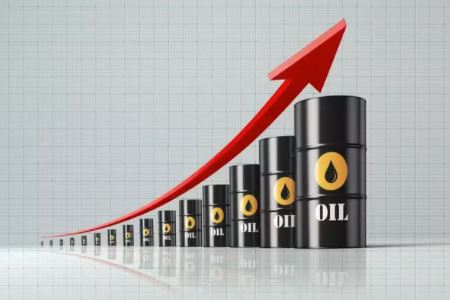
Global oil prices plunged about five per cent on Tuesday, falling to their lowest levels in more than three months, as growing expectations of a U.S.-Iran peace agreement sparked hopes of a reopening of the Strait of Hormuz, a development that could significantly ease pressure on global energy markets, inflation and business costs.
Brent crude, the international benchmark, fell $4.25, or 5.1 per cent, to $78.92 per barrel, while U.S. West Texas Intermediate (WTI) crude dropped $4.80, or 5.9 per cent, to $75.95, extending a sell-off that began after Washington announced an interim framework aimed at ending hostilities with Iran.
READ ALSO :
Join our WhatsApp ChannelTrump Says U.S., Iran Near Peace Agreement as Strait of Hormuz Reopening Discussed
The decline marks a sharp reversal from the war-driven rally that pushed oil prices above $120 per barrel earlier this year, signalling that investors are increasingly betting on the restoration of stable crude supplies from the Middle East.
For businesses and consumers worldwide, the drop carries potentially far-reaching implications.
Lower crude prices typically translate into reduced fuel, transportation and logistics costs, offering relief to manufacturers, airlines, shipping firms and other energy-intensive industries. The development could also help slow inflation, which has remained a major concern for central banks and businesses grappling with elevated operating costs.
The market reaction was driven by reports that the proposed U.S.-Iran agreement would allow Iran to resume oil exports and facilitate the reopening of the Strait of Hormuz, a strategic waterway through which approximately 20 per cent of global oil supplies pass.
For months, fears of disruptions to shipping through the corridor had added a substantial geopolitical risk premium to oil prices, fuelling concerns about energy shortages and higher costs across global supply chains.
Tuesday’s sell-off suggests traders are beginning to remove that risk premium from the market.
The prospect of increased oil supply has already prompted major financial institutions, including Goldman Sachs, Morgan Stanley and Citi, to lower their oil-price forecasts, reflecting expectations that energy markets may become better supplied in the months ahead.
The potential benefits extend beyond the oil market.
Cheaper energy costs could improve corporate profit margins, reduce production expenses and support consumer spending by lowering fuel and transportation costs. Equity markets have also responded positively, with investors viewing lower oil prices as a factor that could help moderate inflation and reduce pressure on interest rates over time.
However, analysts cautioned that the market may be moving ahead of reality.
While the proposed agreement has improved sentiment, key issues remain unresolved, including sanctions, compensation arrangements and long-term negotiations over Iran’s nuclear programme. Shipping operations through the Strait of Hormuz may also take weeks to normalise due to security assessments, insurance considerations and logistical challenges.
Additional pressure on oil prices came from concerns about weakening global demand.
READ MORE :
Inside the World’s Largest Oil Refineries Driving Global Energy Supply
China’s crude oil throughput fell 9.1 per cent in May compared with a year earlier, reaching its lowest level in nearly four years, raising fresh concerns about consumption in the world’s second-largest economy.
Investors are also closely monitoring monetary policy developments. Expectations that the U.S. Federal Reserve will keep interest rates elevated through much of 2026, coupled with the Bank of Japan’s decision to raise rates to a 31-year high, have reinforced concerns that borrowing costs could continue to weigh on economic growth and energy demand.
Meanwhile, hopes for progress in negotiations to end the Russia-Ukraine war have added to expectations of increased global oil supply. Any easing of sanctions on Russia could allow one of the world’s largest crude exporters to increase shipments to international markets.
The sharp decline in oil prices underscores how quickly geopolitical developments can reshape business expectations and commodity markets. If lower prices are sustained, companies could benefit from reduced operating costs while consumers may see relief from fuel-driven inflation, offering a boost to economic activity at a time when many economies are struggling with slower growth and high borrowing costs.

Amanze Chinonye is a Staff Correspondent at Prime Business Africa, a rising star in the literary world, weaving captivating stories that transport readers to the vibrant landscapes of Nigeria and the rest of Africa. With a unique voice that blends with the newspaper's tradition and style, Chinonye's writing is a masterful exploration of the human condition, delving into themes of identity, culture, and social justice. Through her words, Chinonye paints vivid portraits of everyday African life, from the bustling markets of Nigeria's Lagos to the quiet villages of South Africa's countryside . With a keen eye for detail and a deep understanding of the complexities of Nigerian society, Chinonye's writing is both a testament to the country's rich cultural heritage and a powerful call to action for a brighter future. As a writer, Chinonye is a true storyteller, using her dexterity to educate, inspire, and uplift readers around the world.