 Amanze Chinonye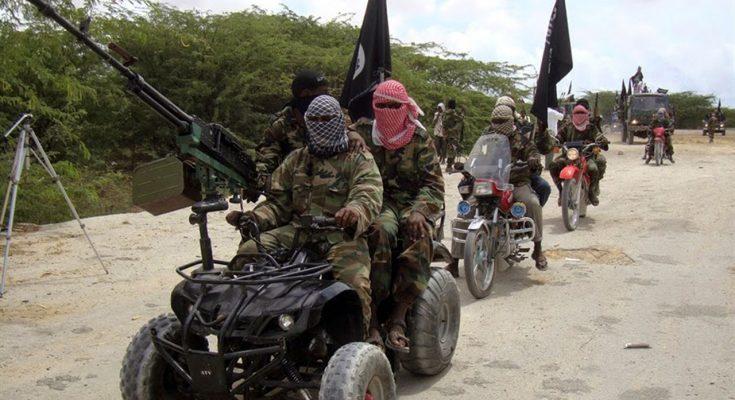
The Nigeria Financial Intelligence Unit (NFIU) has identified a crowdfunding network allegedly used to raise and channel funds to terrorist operations in Nigeria, as well as the use of proxy bank accounts and telephone numbers registered to third parties to conceal the movement of money.
Join our WhatsApp Channel
The findings are contained in the NFIU’s 2025 Annual Report, which details how foreign-based facilitators allegedly used social media and encrypted messaging platforms to solicit donations under the guise of humanitarian relief or educational support before moving the funds through multiple layers to operatives in Nigeria.
READ ALSO :
Terrorism Financing: Court Denies Bail to Bauchi Commissioner, Three Others
The NFIU said hundreds of sympathisers were encouraged to contribute between $50 and $500 through PayPal pages or conventional bank accounts, with the relatively small payments allegedly structured to reduce the likelihood of triggering automated anti-money laundering alerts.
The funds were subsequently pooled in a “master account” controlled by a senior member of the network living abroad before being divided into smaller payments and transferred through international money transfer operators and remittance applications to a network of money mules in Nigeria.
The NFIU identified students, small-business owners and relatives among those allegedly used as intermediaries.
The funds were then allegedly converted to cash, used to purchase potentially dual-use items, including motorcycles, fertiliser and satellite internet equipment, or transferred through mobile banking channels to logistics managers and field operatives.
The agency described this as the final stage in integrating the funds into terrorist operational financing.
The NFIU also identified what it called “gender-based proxy accounts” as another emerging terrorist-financing technique.
According to the report, terrorist financiers allegedly opened bank accounts in women’s names while male commanders or logistics managers secretly controlled them.
The agency said wives, sisters and female associates could be used as fronts to distance illicit funds from the actual operatives. In some cases, the women may not have been aware of the nature or volume of transactions conducted through their accounts.
The NFIU described the practice as “identity laundering”, saying male operators could retain control of ATM cards, mobile-banking credentials and personal identification numbers linked to accounts registered in women’s names.
The agency also identified the use of pre-registered SIM cards, numbers registered to deceased people and telephone lines linked to proxy account holders as a means of weakening the connection between bank accounts, telephone numbers and Bank Verification Numbers.
Such practices could make it more difficult for investigators to identify the actual beneficiaries of suspicious transactions because a telephone number could lead to an unrelated individual, the NFIU said.
The NFIU said terrorist networks were also using detailed or coded transaction descriptions to conceal the purpose of payments.
Cells, particularly those linked to the Islamic State West Africa Province (ISWAP), used detailed transaction narrations as part of an internal accounting system, according to the report.
The agency said frequent logistics-related payments from a single source to multiple recipients could indicate a structured financial network.
Other facilitators allegedly used innocuous words, codes and alphanumeric strings and sometimes switched languages in transaction descriptions to evade automated banking filters designed to flag terms associated with terrorism.
The findings form part of the NFIU’s broader assessment of financial crime risks, which identified increasing links between financial crime, technology and cross-border activity.
Fraud remained a major predicate offence, with the agency citing the growth of Ponzi schemes, fraudulent crowdfunding arrangements, cryptocurrency-enabled investment scams and hacking-related fraud.
The NFIU said such schemes increasingly exploited gaps in fintech onboarding, including tiered accounts requiring limited identification, while digital platforms allowed fraudsters to recruit victims and move funds rapidly.
The agency also highlighted vulnerabilities in public-sector financial management, including the diversion of government funds through accounts belonging to finance officers and third parties.
Procurement processes and cash transactions remained significant risks because cash could complicate audit trails and efforts to trace illicit assets, it said.
The NFIU said it had converted its findings into targeted advisories, executive alerts and strategic intelligence products for relevant authorities, financial institutions and policymakers.
READ MORE :
Security experts said the findings highlighted the need for stronger cooperation between financial institutions and security agencies.
Security expert Chidi Omeje urged security and financial regulatory agencies to strengthen efforts to trace illicit financial flows, saying criminal networks were constantly developing new ways to evade existing controls.
“Every single day, these guys grow in sophistication and desperation, and we must also devise means to bring them to their knees,” Omeje said.
Security analyst Lawrence Alobi called for greater intelligence sharing between security agencies and financial institutions, as well as tighter identity-verification procedures by banks.
“The banks themselves must sit up and ensure they properly verify every individual’s identity so that there is a real, verifiable person behind every account, not just someone acting by proxy,” Alobi said.
The NFIU’s findings highlight the growing challenge of disrupting terrorist financing as networks increasingly use crowdfunding platforms, remittance services, proxy accounts and legitimate financial channels to fragment transactions and conceal the movement of funds.

Amanze Chinonye is a Staff Correspondent at Prime Business Africa, a rising star in the literary world, weaving captivating stories that transport readers to the vibrant landscapes of Nigeria and the rest of Africa. With a unique voice that blends with the newspaper's tradition and style, Chinonye's writing is a masterful exploration of the human condition, delving into themes of identity, culture, and social justice. Through her words, Chinonye paints vivid portraits of everyday African life, from the bustling markets of Nigeria's Lagos to the quiet villages of South Africa's countryside . With a keen eye for detail and a deep understanding of the complexities of Nigerian society, Chinonye's writing is both a testament to the country's rich cultural heritage and a powerful call to action for a brighter future. As a writer, Chinonye is a true storyteller, using her dexterity to educate, inspire, and uplift readers around the world.