 Amanze Chinonye
Nigeria is seeking to ease petrol-price pressures through a 30-day discount at state-owned Nigerian National Petroleum Company (NNPC) retail stations and a proposed ceiling of ₦1,350 per litre on fuel supply costs, but the measures raise questions about suppliers’ cost recovery, public-sector earnings and the sustainability of consumer relief, Prime Business Africa reports.
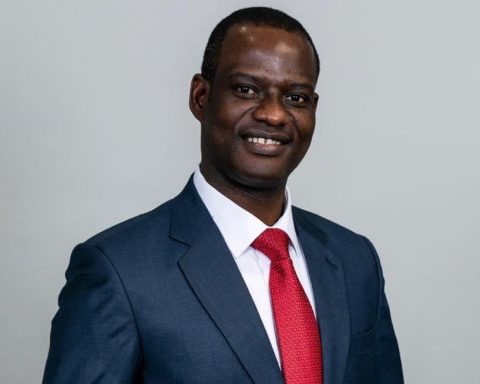
Finance Minister and Coordinating Minister of the Economy Taiwo Oyedele said NNPC Retail would fund the discount by reducing its retail margin, with public transport operators given priority. The government says the initiative is a commercial decision by the company, not a return to the petrol subsidy regime abolished in 2023.
Join our WhatsApp ChannelREAD ALSO :
Fuel Subsidy Savings Can’t Meet Nigeria’s Development Needs – Oyedele
Under the proposed price-modulation mechanism, refiners and importers would initially absorb costs exceeding the ₦1,350-per-litre ceiling on petrol’s ex-gantry or landing cost and recover the shortfall later when market conditions improve. The ceiling would be reviewed monthly, Oyedele said.
The arrangement is intended to moderate price fluctuations without direct government payments to suppliers. However, its effectiveness will depend on the terms governing deferred costs, the duration of the arrangement and how suppliers recover their expenses if international oil prices or foreign-exchange costs remain elevated.
The proposed ceiling applies to supply costs, not necessarily the final pump price paid by motorists. The government has yet to publish detailed rules explaining how accumulated costs would be calculated, when they could be recovered or how disputes between suppliers and the authorities would be resolved.
The NNPC retail discount also has implications for public finances, even if it does not involve a direct budgetary allocation. NNPC is wholly owned by the state, and lower retail margins could reduce its earnings and the dividends available to the Federation unless higher sales volumes or other commercial gains offset the reduction.
The Finance Ministry argues that the discount could attract more customers and increase sales, potentially strengthening NNPC Retail’s profitability. It has not, however, published projections showing the expected cost of the discount, the additional sales needed to compensate for lower margins or the likely effect on dividend payments.
The government’s distinction between a commercial discount and a subsidy rests on who bears the cost. Under a conventional subsidy, public funds cover part of the difference between the market cost of fuel and the price paid by consumers. Under the NNPC arrangement, the retailer is expected to absorb the reduction through its margin.
The proposed price-modulation mechanism presents a separate challenge. Although the government says it is neither a subsidy nor price control, requiring suppliers to defer the recovery of costs could expose them to financing pressures if market prices remain above the agreed ceiling for an extended period.
Without transparent accounting and clear recovery rules, the arrangement could create uncertainty for refiners and importers, potentially affecting supply decisions or leading to higher prices when deferred costs are eventually passed through. The government has not yet provided sufficient detail to determine the scale of those risks.
Oyedele said the government also planned to increase forward sales of crude oil to domestic refineries as production rises and previously committed volumes become available. The policy is intended to improve feedstock availability and reduce the exposure of domestic fuel prices to international market volatility.
The fiscal implications will depend partly on the commercial terms governing crude sales. The Finance Ministry has argued that selling Federation-owned crude below market value would amount to a subsidy because the shortfall would ultimately be borne by public revenue.
Transparent disclosure of pricing arrangements would help establish whether domestic supply measures operate on commercial terms.
Other measures announced by Oyedele include expanding compressed natural gas (CNG) transport, working with state governments to remove illegal road levies, increasing cash transfers to vulnerable households and providing subsidised credit to small businesses.
The government is also considering an excess-profit tax on operators deemed to be exploiting consumers, with the proceeds earmarked for transport assistance and vouchers for low-income earners. The proposal remains under consideration and would require clear rules defining taxable profits, establishing enforcement criteria and protecting businesses from arbitrary assessments.
A planned National Strategic Fuel Reserve would allow refined products to be released under published rules when supply disruptions or hoarding threaten market stability. The government also intends to reduce regulatory costs and improve traffic management and logistics to lower the cost of moving goods and people.
The reserve could strengthen supply resilience, but its financial implications would depend on procurement prices, storage costs, inventory management and the terms governing the release and replenishment of products. Transparent procurement and regular reporting would be necessary to establish its cost and effectiveness.
READ MORE :
Nigeria Could Have Faced N53trn Petrol Subsidy Bill Without Reform, Revenue Chief Says
Nigeria removed its long-standing petrol subsidy in May 2023, reducing a major burden on public finances but exposing consumers more directly to changes in international oil prices, foreign-exchange costs and domestic distribution expenses.
The latest package seeks to cushion consumers while retaining a market-based fuel pricing framework. Its success will depend on whether the discount translates into meaningful savings, whether suppliers can recover deferred costs without disrupting supply, and whether the government can demonstrate that its interventions do not create new, opaque financial obligations.
The immediate test will be the extent of relief delivered during the 30-day discount period.

Amanze Chinonye is a Staff Correspondent at Prime Business Africa, a rising star in the literary world, weaving captivating stories that transport readers to the vibrant landscapes of Nigeria and the rest of Africa. With a unique voice that blends with the newspaper's tradition and style, Chinonye's writing is a masterful exploration of the human condition, delving into themes of identity, culture, and social justice. Through her words, Chinonye paints vivid portraits of everyday African life, from the bustling markets of Nigeria's Lagos to the quiet villages of South Africa's countryside . With a keen eye for detail and a deep understanding of the complexities of Nigerian society, Chinonye's writing is both a testament to the country's rich cultural heritage and a powerful call to action for a brighter future. As a writer, Chinonye is a true storyteller, using her dexterity to educate, inspire, and uplift readers around the world.