 Amanze Chinonye
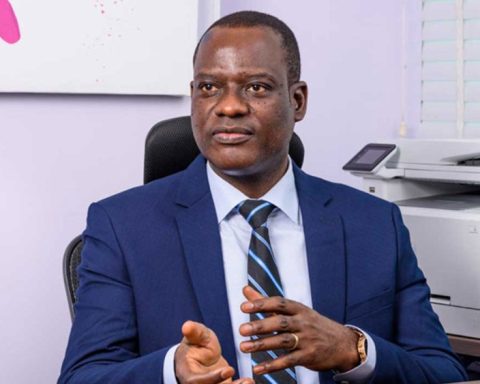
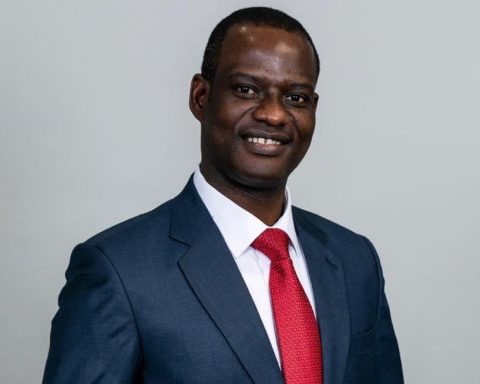
Nigeria’s Federal Government spent ₦9.39 trillion on wage adjustments, minimum wage increases and allowances for public servants between June 2023 and December 2025, while reforms under President Bola Tinubu helped avert a deeper fiscal and economic crisis, Finance and Coordinating Minister of the Economy Taiwo Oyedele said on Wednesday, Prime Business Africa reports.
Oyedele disclosed the figures while presenting the government’s Nigeria’s Reform Scorecard in Abuja, outlining the fiscal and economic impact of reforms introduced since Tinubu took office in May 2023.
Join our WhatsApp ChannelHe said the scorecard was not intended as a declaration of victory but as an assessment of the costs of the reforms, the benefits they had delivered and the potential economic damage they had helped prevent.
“We invited you here today not to declare a victory, but to give an account,” Oyedele said.
READ ALSO :
Democracy Day: Tinubu to Address National Assembly as FG Sets Stage for Mid-Term Scorecard
According to the scorecard, the removal of the petrol subsidy generated ₦15.8 trillion in savings for the Federation between June 2023 and December 2025. Of that amount, ₦5.4 trillion accrued to the Federal Government, while ₦10.4 trillion was shared among states and local governments.
The Federal Government also generated ₦3.1 trillion in additional independent revenue, mainly through increased remittances from government-owned entities, and raised ₦11.9 trillion through additional borrowing.
Together, those sources provided ₦20.4 trillion in incremental resources during the period, while the Federal Government recorded ₦30.64 trillion in additional expenditure.
Wage adjustments, the implementation of the new minimum wage and allowances accounted for ₦9.39 trillion of the additional spending. A further ₦9.37 trillion went towards external debt servicing, while ₦6.5 trillion was allocated to strategic infrastructure.
READ ALSO :
Nigeria’s Inflation Eases to 15.91% in June, Raising Expectations of Interest Rate Hold
The figures mean that the Federal Government’s wage-related expenditure was about ₦3.99 trillion higher than its ₦5.4 trillion share of subsidy savings. However, the wage expenditure remained below the ₦15.8 trillion in total savings generated for the Federation.
Oyedele said the subsidy removal was not principally intended to raise revenue but to address distortions and what he described as entrenched corruption in the fuel subsidy and foreign exchange systems.
“The reform was never introduced for revenue purposes, but to address entrenched corruption in an artificially managed fuel subsidy and foreign exchange market,” he said.
He said the reforms had also strengthened the finances of state governments. According to the scorecard, 27 states that had struggled to pay salaries in May 2023 could now reliably meet their obligations.
Oyedele said that without the reforms, at least 30 states could have faced difficulties paying salaries by 2026.
The foreign exchange reforms also narrowed the gap between the official and parallel markets. The premium, which had exceeded 60% before the reforms, had fallen below 5%, according to the scorecard.
The government estimated that the premium could have exceeded 150% by 2026 had the previous foreign exchange regime remained in place.
Oyedele also said the government had contained the accumulation of Ways and Means financing, preventing the legacy stock of about ₦30 trillion from doubling.
The reforms have also been accompanied by an improvement in Nigeria’s external position, according to the government. Gross foreign exchange reserves rose from about $35 billion in May 2023 to $52.5 billion, while net reserves increased from roughly $3 billion to $34.8 billion.
Real gross domestic product growth improved from 2.31% to 3.89%, while headline inflation fell to 15.91% in June 2026 from 22.41% in May 2023. Food inflation declined to 17.52% from 24.82% over the same period.
Stock market capitalisation also increased to about ₦150 trillion from roughly ₦31 trillion, the scorecard showed.
The government cited Nigeria’s sovereign credit-rating upgrade by S&P Global and its removal from the Financial Action Task Force’s grey list as further signs of improved international confidence.
But Oyedele acknowledged that the reforms had imposed significant costs on households and businesses.
READ ALSO :
Fuel Subsidy Savings Can’t Meet Nigeria’s Development Needs – Oyedele
The Monetary Policy Rate has risen from 18.5% in May 2023 to 26.5%, while petrol prices have increased from about ₦185 per litre before the subsidy removal to between ₦1,100 and ₦1,400.
“A scorecard that only lists wins is not a scorecard it is a campaign leaflet, and we did not come here to give you one,” Oyedele said.
He said the government recognised that improvements in household welfare remained unfinished business, despite the gains recorded in fiscal and macroeconomic indicators.
The next phase of the reform programme would therefore focus on translating macroeconomic stability into improved living standards through expanded cash transfers, agricultural interventions, better public spending and stronger domestic revenue mobilisation, Oyedele said.
The government also plans to continue implementing the Nigeria Tax Act and pursue reforms aimed at improving budgeting, fiscal reporting and public accountability.
Oyedele said the medium-term objective was to bring inflation towards single digits without returning to what he described as distortionary fuel subsidies.
The disclosure comes amid continued public scrutiny over the use of savings from the removal of the petrol subsidy and whether the reforms have delivered sufficient benefits to Nigerians.
Oyedele urged the public to assess the reforms based on their costs, benefits and the economic risks they were intended to address.

Amanze Chinonye is a Staff Correspondent at Prime Business Africa, a rising star in the literary world, weaving captivating stories that transport readers to the vibrant landscapes of Nigeria and the rest of Africa. With a unique voice that blends with the newspaper's tradition and style, Chinonye's writing is a masterful exploration of the human condition, delving into themes of identity, culture, and social justice. Through her words, Chinonye paints vivid portraits of everyday African life, from the bustling markets of Nigeria's Lagos to the quiet villages of South Africa's countryside . With a keen eye for detail and a deep understanding of the complexities of Nigerian society, Chinonye's writing is both a testament to the country's rich cultural heritage and a powerful call to action for a brighter future. As a writer, Chinonye is a true storyteller, using her dexterity to educate, inspire, and uplift readers around the world.