 Amanze Chinonye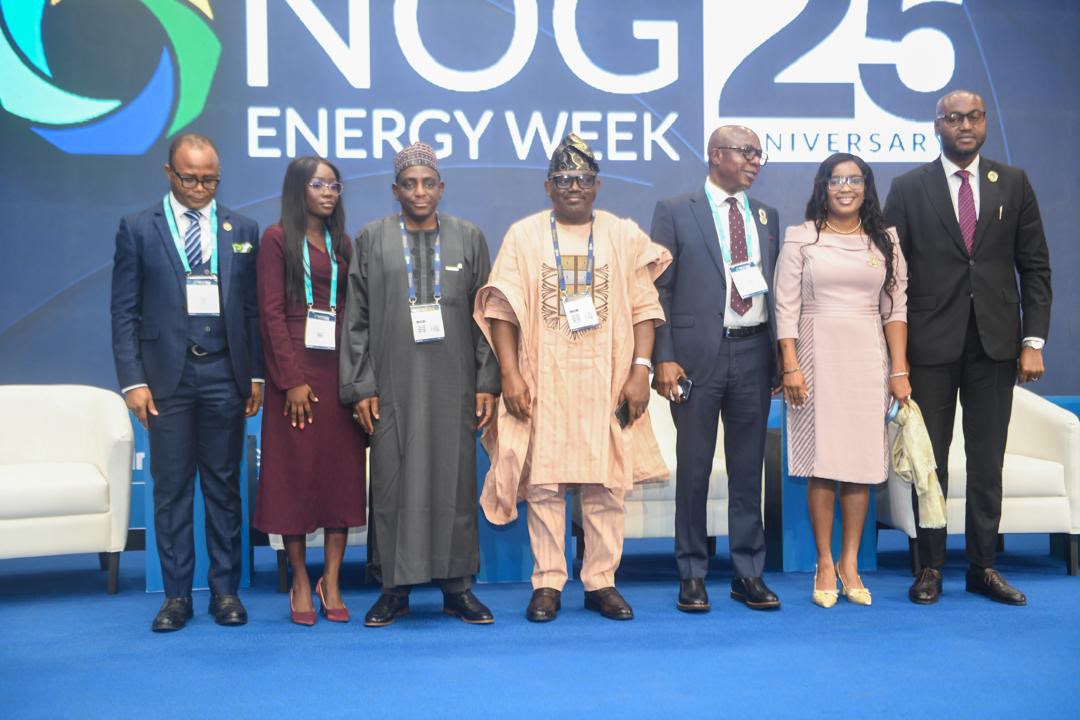
The Nigerian Content Development and Monitoring Board (NCDMB), in collaboration with key regulators and industry stakeholders, will commence a joint audit of indigenous oil and gas service providers and manufacturers in the third quarter of 2026 as part of a coordinated push to strengthen local capacity, accelerate industrialisation and improve the efficiency of contracting processes across the petroleum industry, Prime Business Africa reports.
The initiative, jointly developed by the NCDMB, the Nigerian Upstream Petroleum Regulatory Commission (NUPRC), the Nigerian Midstream and Downstream Petroleum Regulatory Authority (NMDPRA), the Nigerian Petroleum Exchange (NIPEX) and the Oil Producers Trade Section (OPTS), introduces a harmonised framework for grading and certifying companies operating within Nigeria’s oil and gas value chain.
READ ALSO :
Join our WhatsApp ChannelNCDMB, SNEPCo, LADOL Launch Training Programme to Boost Local Content Workforce
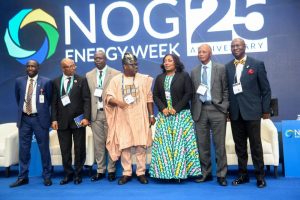
Speaking at the 25th Nigeria Oil and Gas (NOG) Energy Week in Abuja, the Executive Secretary of the NCDMB, Felix Omatsola Ogbe, said the industry is entering a new phase of local content implementation that prioritises capacity expansion, manufacturing, sustainability and global competitiveness, moving beyond the initial focus on indigenous participation and regulatory compliance.
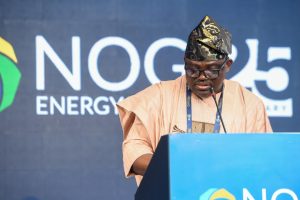
Represented by the Board’s Director of Capacity Building, Abayomi Bamidele, Ogbe said the first 15 years of implementing the Nigerian Oil and Gas Industry Content Development (NOGICD) Act had transformed indigenous participation in the sector, with local content rising from less than five per cent before the law came into force to about 61 per cent today.
He noted that Nigerian firms now own and manage strategic operational assets, execute critical projects and provide services across the oil and gas value chain. However, he acknowledged that many local manufacturers continue to grapple with limited market access, technology gaps and financing constraints despite the industry’s growing capacity.
According to him, addressing these challenges will require stronger collaboration among regulators, operators, service companies, financial institutions and manufacturers, particularly under the renewed momentum created by the Federal Government’s Presidential Directives on Local Content Compliance Requirements.
Ogbe explained that the next phase of the harmonisation roadmap involves upgrading the certification portals of participating regulatory agencies ahead of the commencement of joint industry capacity audits.
The exercise is expected to provide a comprehensive assessment of existing in-country capabilities, eliminate unnecessary intermediaries, shorten contracting timelines and promote direct patronage of qualified indigenous service providers.
The audit will also help identify Nigerian companies capable of supporting major capital-intensive projects, including the country’s seven planned deepwater developments, ensuring that operators have a clear database of competent local suppliers.
To further strengthen indigenous participation, the harmonised framework introduces a five-tier classification system for service providers. The lower categories designated as “Emerging Players” and “Essential Vendors” will serve as the foundation of a structured vendor development programme designed to help smaller firms evolve into manufacturers and original equipment manufacturers (OEMs).
READ MORE :
NCDMB, Chevron, Bristow Launch Pilot Training Programme to Boost Indigenous Aviation Capacity
Beyond the audit exercise, the NCDMB outlined three strategic priorities that will shape the next phase of local content development:
- Building technical competence through sustained investment in skills, innovation and technology transfer;
- Expanding manufacturing capacity and productive industrial assets
- Fostering stronger collaboration among government agencies, operators, financial institutions, research institutions and equipment manufacturers.
The Board also highlighted several ongoing capacity-building initiatives, including the Nigerian Content Equipment Certificate (NCEC) Application Guidance Notes, the Field Readiness Training Programme, the Nigerian Content Trainers Registration Certificate (NCTRC), the Back-to-the-Creek Initiative and the Cradle-to-Career Academic Excellence Recognition and Advancement Programme.
The planned joint audit represents a significant shift in Nigeria’s local content strategy.
Beyond measuring compliance, it is expected to establish a credible, industry-wide database of indigenous capabilities, improve transparency in procurement, reduce project delivery timelines and create greater opportunities for Nigerian companies to participate in high-value oil and gas projects.

Amanze Chinonye is a Staff Correspondent at Prime Business Africa, a rising star in the literary world, weaving captivating stories that transport readers to the vibrant landscapes of Nigeria and the rest of Africa. With a unique voice that blends with the newspaper's tradition and style, Chinonye's writing is a masterful exploration of the human condition, delving into themes of identity, culture, and social justice. Through her words, Chinonye paints vivid portraits of everyday African life, from the bustling markets of Nigeria's Lagos to the quiet villages of South Africa's countryside . With a keen eye for detail and a deep understanding of the complexities of Nigerian society, Chinonye's writing is both a testament to the country's rich cultural heritage and a powerful call to action for a brighter future. As a writer, Chinonye is a true storyteller, using her dexterity to educate, inspire, and uplift readers around the world.