PBA Reporter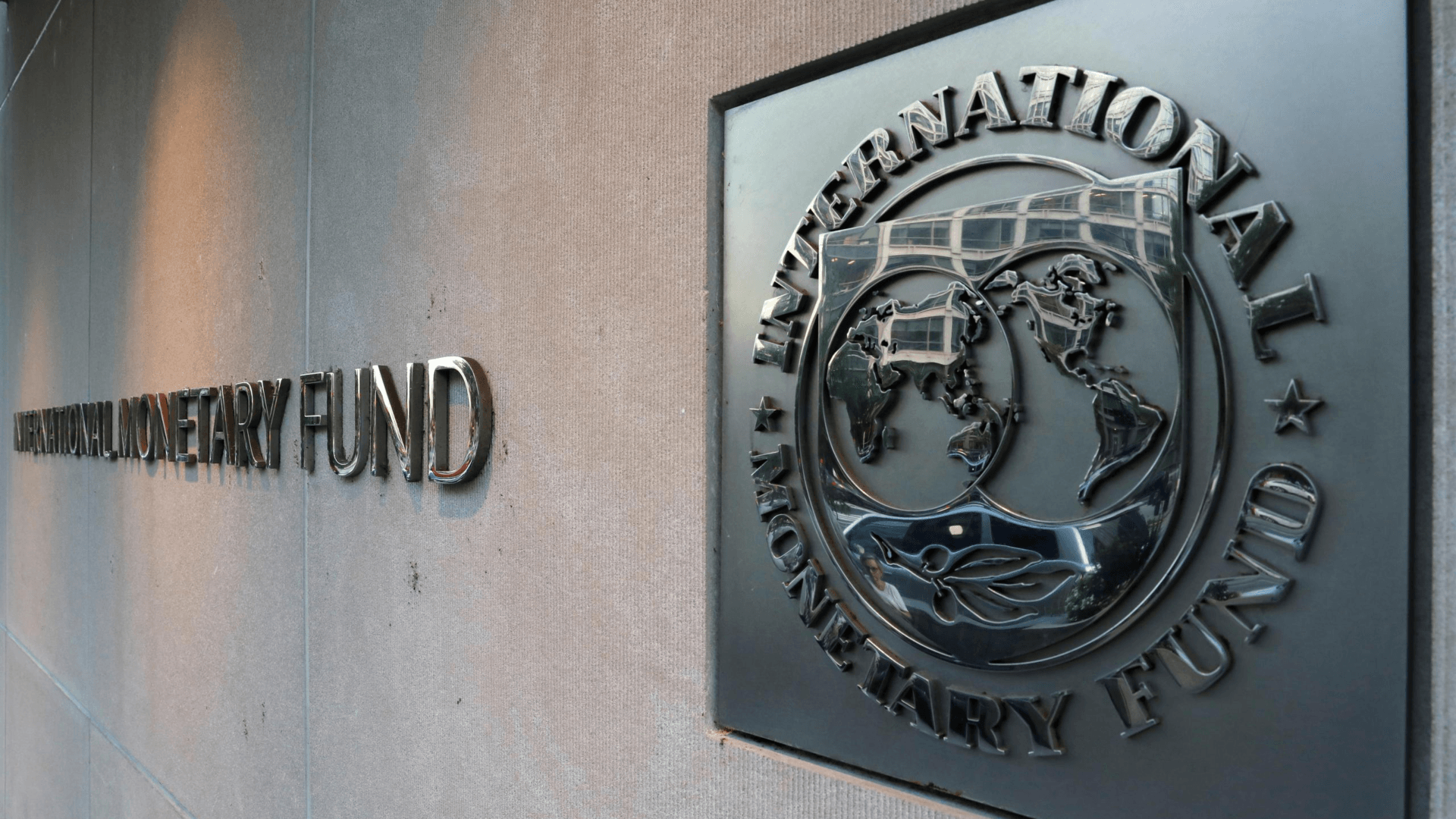
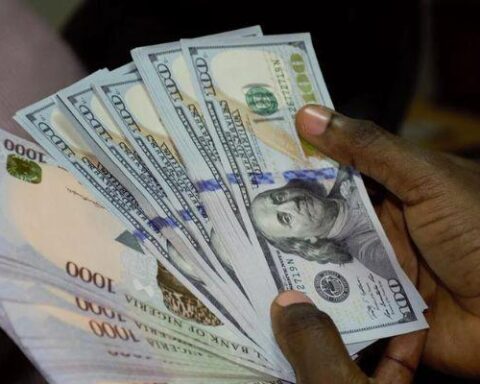
The International Monetary Fund has disclosed that debt servicing may gulp 100 per cent of the Federal Government’s revenue by 2026 if the government fails to implement adequate measures to improve revenue generation.
The IMF’s Resident Representative for Nigeria, Ari Aisen, made this known while presenting the Sub-Saharan Africa Regional Economic Outlook report on Monday in Abuja.
Join our WhatsApp ChannelAisen said based on a macro-fiscal stress test that was conducted on Nigeria, interest payments on debts may wipe up the country’s entire earnings in the next four years.
Speaking in Abuja, he expressed worry that many African countries, including Nigeria, risk sliding into a critical debt servicing problem unless urgent actions were explored to significantly raise revenue.
According to him, “The biggest critical aspect for Nigeria is that we have done a macro-fiscal stress test, and what you observe is the interest payments as a share of revenue and as you see us in terms of the baseline from the federal government of Nigeria, the revenue almost 100 per cent is projected by 2026 to be taken by debt service.
“So, the fiscal space or the amount of revenues that will be needed and this without considering any shock is that most of the revenues of the federal government are now, in fact, 89 per cent and it will continue if nothing is done to be taken by debt service.
“It is a reflection of the low revenue of the country. The country needs to mobilise more revenue to be able to have macroeconomic stability. It has become an existential issue for Nigeria.”
He further lamented that being an oil exporter, Nigeria was not only unable to take advantage of the current global high oil prices to build reserves due to the subsidy on petroleum products.
According to him, Nigeria’s subsidy bill would likely hit N6tn by the end of this year at the current monthly subsidy bill of N500bn.
Aisen, however, expressed optimism that the Dangote Refinery would reduce fuel importation when completed, in order to reduce the subsidy burden.
He further warned that soaring food prices and next year’s general election are threats to the country’s economy.
The IMF Rep explained that Nigeria received $3.4bn in Special Drawing Rights and an equal amount in addition to a loan from the Fund, bringing the total loan since 2020 to $6.8bn.
Also speaking, the Director-General of the Budget Office, Ben Akabueze, disagreed with Aisen on his debt service-to-revenue figures but agreed that Nigeria is spending a significantly high amount on debt servicing.

- PBA Reporter
- PBA Reporter
- PBA Reporter
- PBA Reporter
- PBA Reporter
- PBA Reporter
- PBA Reporter
- PBA Reporter
- PBA Reporter
- PBA Reporter
- PBA Reporter
- PBA Reporter
- PBA Reporter
- PBA Reporter
- PBA Reporter
- PBA Reporter
- PBA Reporter
- PBA Reporter
- PBA Reporter
- PBA Reporter
- PBA Reporter
- PBA Reporter
- PBA Reporter
- PBA Reporter
- PBA Reporter
- PBA Reporter
- PBA Reporter
- PBA Reporter
- PBA Reporter
- PBA Reporter
- PBA Reporter
- PBA Reporter
- PBA Reporter
- PBA Reporter
- PBA Reporter
- PBA Reporter
- PBA Reporter
- PBA Reporter
- PBA Reporter
- PBA Reporter
- PBA Reporter
- PBA Reporter
- PBA Reporter
- PBA Reporter
- PBA Reporter
- PBA Reporter
- PBA Reporter
- PBA Reporter
- PBA Reporter
- PBA Reporter
- PBA Reporter
- PBA Reporter
- PBA Reporter
- PBA Reporter
- PBA Reporter
- PBA Reporter
- PBA Reporter